'%3e%3cpath%20d='M34.1406%205.85938C30.3906%202.10547%2025.3047%200%2020%200C14.6953%200%209.60938%202.10547%205.85938%205.85938C2.10938%209.61328%200%2014.6953%200%2020C0%2025.3047%202.10547%2030.3906%205.85938%2034.1406C9.61328%2037.8906%2014.6953%2040%2020%2040C25.3047%2040%2030.3906%2037.8945%2034.1406%2034.1406C37.8906%2030.3906%2040%2025.3047%2040%2020C40%2014.6953%2037.8945%209.60938%2034.1406%205.85938ZM37.0117%2023.543H31.1602V13.5391H27.6328V19.9414C28.1211%2020.6914%2028.3711%2021.582%2028.3711%2022.5625V22.625C28.3711%2023.668%2028.1172%2024.6055%2027.6328%2025.4297V26.6094H36.082C33.4883%2032.9375%2027.2891%2037.3789%2020.0039%2037.3789C10.3711%2037.3789%202.62109%2029.6289%202.62109%2020C2.62109%2010.3711%2010.3711%202.62109%2020%202.62109C29.6289%202.62109%2037.3789%2010.3711%2037.3789%2020C37.3789%2021.1484%2037.2617%2022.2656%2037.0508%2023.3477C37.0391%2023.4141%2037.0234%2023.4766%2037.0117%2023.543Z'%20fill='white'/%3e%3cpath%20d='M22.3086%2018.5352C20.4336%2018.125%2019.9531%2017.8398%2019.9766%2017.1836V17.1406C19.9766%2016.6992%2020.3477%2016.2148%2021.4023%2016.2148C22.582%2016.2148%2023.8867%2016.6797%2025.0781%2017.4766L26.8516%2015.0195C25.4453%2013.8906%2023.707%2013.3398%2021.5547%2013.3398C18.5195%2013.3398%2016.4375%2015%2016.4063%2017.4766V17.5352C16.3633%2020.2617%2018.5859%2020.9805%2021.293%2021.6016C23.0391%2021.9766%2023.5703%2022.3164%2023.5703%2022.9609L23.5469%2022.9766C23.5469%2023.3906%2023.2578%2023.7031%2022.7852%2023.8359C22.5742%2023.9062%2022.1289%2023.9727%2021.5156%2023.9727C20.7617%2023.9727%2019.7539%2023.8633%2018.6328%2023.4844C18.0898%2023.2891%2017.4727%2023.0039%2016.8047%2022.6133L20.1406%2026.625C20.2813%2026.6602%2021.0977%2026.8516%2021.7734%2026.8516C25.0039%2026.8516%2027.0859%2025.2461%2027.1094%2022.6328V22.5703C27.1602%2020.1133%2025.2148%2019.1719%2022.3086%2018.5352Z'%20fill='white'/%3e%3cpath%20d='M5.24219%2013.5664V26.6133H8.75391V23.7578L10.2969%2021.9531L14.2031%2026.6133H18.3867L12.3555%2019.5195L17.4023%2013.5664H13.4531L8.75391%2019.0586V13.5664H5.24219Z'%20fill='white'/%3e%3c/g%3e%3cdefs%3e%3cclipPath%20id='clip0_97_2430'%3e%3crect%20width='40'%20height='40'%20fill='white'/%3e%3c/clipPath%3e%3c/defs%3e%3c/svg%3e)


Estimated read time: 3-4 minutes
This archived news story is available only for your personal, non-commercial use. Information in the story may be outdated or superseded by additional information. Reading or replaying the story in its archived form does not constitute a republication of the story.
MILLCREEK — Come Jan. 1, Millcreek's first mayor and City Council will be sworn in. But the leaders have already been hard at work preparing for their township's incorporation.
There's quite a bit on their to-do list: file official incorporation papers with the Utah Lt. Governor's Office, register with the public treasurer's fund, figure out timing for Millcreek's funding stream, hire city staff, adopt codes and ordinances, set up a city website — the list goes on and on, said Mayor-elect Jeff Silvestrini.
"It's a lot of work and it's an overwhelming task," he said, "but we're jumping into it. We'll be ready."
And now that Salt Lake City has canvassed its election results, Silvestrini and the four City Council members — Silvia Catten, Dwight Marchant, Cheri Jackson and Bev Uipi — are in the clear to have their first official meeting, planned for Monday.
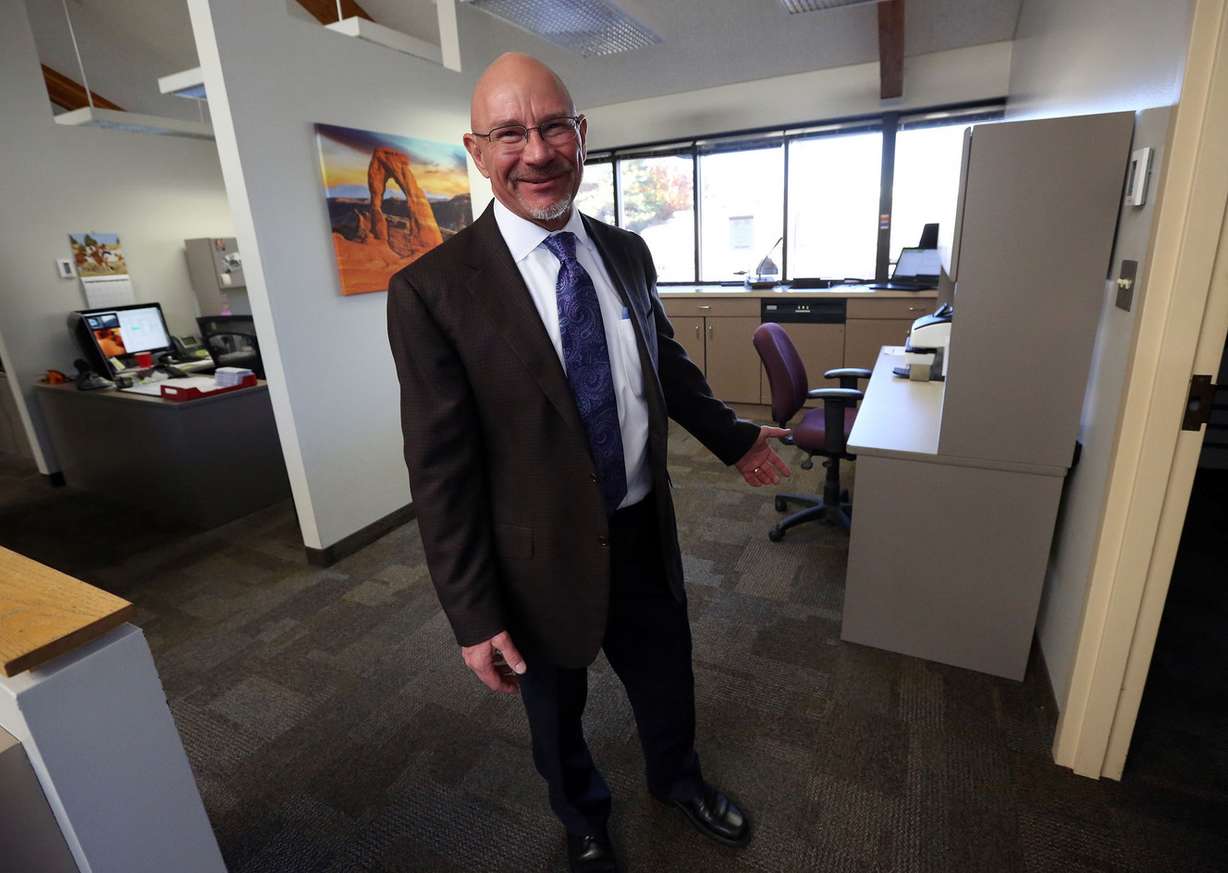
They've set up temporary municpal offices at their city's water district, Mount Olympus Improvement District, 3932 S. 500 East, furnished with hand-me-down furniture that Cottonwood Heights has no use for after moving into its own City Hall.
Silvestrini said the space will be rent-free for six months, so they'll have until July to figure out a more permanent space — probably a rental, he said, since it will likely be "years down the road" until Millcreek can build its own City Hall.
That's because the new city leaders are determined to be frugal, especially while the City Council gets a handle on how their budget will look and feel.
"We all want to be very careful and prudent," Jackson said.
Silvestrini said the city of about 63,000 residents will be running off of a budget of about $15 million, funded mostly through sales tax revenue, road funds and business permit and licensing fees.
That money will be used for administrative needs and public works services — parks and animal control — Silvestrini said, since Millcreek residents already pay property taxes to Unified Fire Authority and Unified police for public safety.
But will it be enough?
Taylorsville, a similarly sized city of about 60,000, ran a budget of about $21 million in its last fiscal year. Taylorsville, incorporated in 1996, is also a member of Unified fire and police districts, but it collects its own property taxes — about $3 million each year.
Silvestrini said he and other City Council members have commissioned a "feasibility study" to evaluate Millcreek's budget and help determine whether or not it should stay in the county's Municipal Services District.
That's a decision city leaders will have to make before July 1, when Millcreek's first fiscal year begins.
"We're hoping to run our city without increasing taxes," the mayor-elect said, though acknowledging that city leaders "can't promise" there won't be tax increases in the future, since "services cost more all the time.
"But we're committed to do the very best we can to live within our means," Silvestrini said. "We're trying to start off our new city in the most economical way possible while still providing the same great services they're used to."
Last year, nearly 67 percent of Millcreek voters opted for incorporation. Jackson said any remaining division over becoming a city among residents has appeared to dwindle, but people are "wary."
"They just want to make sure we're going to have the funding," she said. "But mostly what I've witnessed is people have gotten on board and they want to jump in and make the best of it."
Public notices for Millcreek City Council meetings are published on the Utah public notice website at utah.gov. Silvestrini said the City Council can make decisions before the calendar year begins, but those actions won't be finalized or ratified until after Jan. 1.