Estimated read time: 4-5 minutes
This archived news story is available only for your personal, non-commercial use. Information in the story may be outdated or superseded by additional information. Reading or replaying the story in its archived form does not constitute a republication of the story.
SALT LAKE CITY— Despite the global need for internet access in today’s digital world, many low-income families still lack affordable internet options. While some may consider the internet a vehicle for entertainment, getting online is more than watching cat videos or checking Facebook.
Many obstacles can make it difficult for low-income families to get what they need without internet access. Issues like limited transportation options and a lack of mobility and reliable childcare make it difficult for them to get what they need, but with affordable internet access, families can access several benefits previously unavailable to them.
Here are a few things a family can do when they have a reliable internet connection:
- Apply to jobs listed only online
- Pay bills online, saving on stamps and transportation
- Complete homework assignments that require online research or submission
- Find and utilize online educational resources and certification programs
- Access necessary health care advice
Communities across the nation are beginning to understand the need for accessible internet for everyone, not just those who can afford it. Some of these communities have started programs to help those in less-fortunate circumstances get online. A few such programs are only being adopted locally, while others are available nationwide.
ConnectHome
Half of the households in the lower 20 percent of household income in the U.S. do not have access to the internet. To address this problem, President Obama unveiled ConnectHome on July 15, 2015 to several communities across the U.S. The program hopes to provide internet access to those who currently do not have a way to get online. Two hundred thousand children within those households do not have the online access they need to complete their homework.
CenturyLink, Google Fiber, and Sprint are helping the government carry out this initiative. Internet providers will use their existing networks to bring internet to residents in their service areas. Some will get access for free, while others will only need to pay a few dollars each month. Fees will vary based on internet providers and income requirements. The program hopes to bridge the digital divide that prevents many lower-income families from using the internet to access education and work opportunities.
Local Programs
While Salt Lake City is not yet participating in ConnectHome, local movements are cropping up with aims similar to those of the federal program. With the arrival of Google Fiber, many residents are aware of its Gigabit Communities Program to bring affordable internet to low-income residents in Fiber cities. However, additional internet service providers are making other programs available.
Related story:
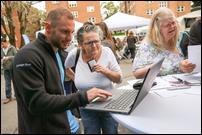
Google Fiber offering internet for SLC nonprofit housing
Individuals who once struggled to access the internet learned how that would no longer be a problem.Internet Basics by CenturyLink
CenturyLink understands the importance of internet availability for everyone. Internet Basics provides 1.5 Mbps speeds for low income families for $9.95 a month. Along with more affordable internet, some households can also receive reduced home phone services if they qualify.
The plan comes with technical support available 24/7, a 30-day satisfaction guarantee or your money back, and parental controls to protect your children.
You likely qualify for CenturyLink's program if you participate in other government assistance programs like public housing, Section 8 housing, food stamps (SNAP), Supplemental Security Income, National School Lunch or other programs offered through the state of Utah. If your income is under 135 percent of the Federal poverty level (150 percent or 175 percent in some states), then you are eligible for the program.
Internet Essentials by XFINITY Comcast
XFINITY's Internet Essentials program provides affordable internet to eligible families and helps children access a world of education and opportunities they otherwise wouldn't be able to receive. Households who meet the following criteria can sign up for Internet Essentials:
- Have one or more children qualifying to have the National School Lunch Program
- Possess no debt to XFINITY from the past 12 months
- Live in an area serviced by XFINITY
Sarah lives in Utah and has her MA in Rhetoric, Composition, and Professional Communication from Iowa State. She freelances and teaches speech and writing courses. You can find Sarah on Twitter @sarahzpike.