Estimated read time: 8-9 minutes
This archived news story is available only for your personal, non-commercial use. Information in the story may be outdated or superseded by additional information. Reading or replaying the story in its archived form does not constitute a republication of the story.
SALT LAKE CITY — Election season is coming, and while Utah currently has 14 options to choose from for the presidential election, there are other key seats up for grabs within the Beehive State.
There’s a gubernatorial, a U.S. senate and all four U.S. House of Representatives seats up for grabs this year, in addition to other various local seats across the state.
Much like the presidential election, there are plenty of third-party candidates. Write-in candidates have until Sept. 9 to submit paperwork to have write-in votes in their name actually counted in the general election. The first ballots, for those serving in the military or currently overseas, will be sent out Sept. 23, and the general election is Nov. 8.
Related:
Don't like Trump or Clinton? Utah has 12 other options
Utah voters who dislike Donald Trump and Hillary Clinton: Don't despair.Data from the U.S. Census Bureau show that while Utah's population has risen over the past 12 years, there has been a slight decline voter turnout since 2004. Those numbers tended to increase in presidential election years.
Governor:
L.S. Brown, Unaffiliated (write-in)
Brown, a Richfield resident, is a write-in candidate with a campaign centered around the relationship between state and federal governments. Of two major policy points, Brown states he seeks cooperation between state and federal government in regards to land ownership, as well as cracking down on “unlawful/unconstitutional activities of the federal government and enhance states’ rights and responsibilities.”
Gary Herbert, Republican Party
Lt. Governor Candidate: Spencer Cox
Herbert, the incumbent, garnered 72 percent of the Republican primary vote to remain the Republican candidate. Herbert’s platform includes improved air quality, the removal of federal curriculums in schools, more state-run public lands and water conservation.
More information about Herbert can be found here.
Brian Kamerath, Libertarian Party
Lt. Governor Candidate: Barry Short
A processing piping designer, Kamerath’s platform includes reducing taxes and the size of the government, fighting to protect rights of every person and hold “ourselves to the highest possible ethical standards.” Other stances include privatizing Utah’s alcohol control system and promoting unsubsidized free-market energy projects.
More information about Kamerath can be found here.
Dell "Super Dell" Schanze, Independent American Party
Lt. Governor Candidate: Gregory Duerden
Schanze, who ran for Utah governor in 2008 as a Libertarian Party candidate, filed to run for governor again back in March but with the Independent American party. The party has a platform centering around returning to principles of self-government.
Mike Weinholtz, Democratic Party
Lt. Governor Candidate: Kim Bowman
Weinholtz won the Democratic nomination in April with 80 percent of a delegate vote. His platform includes expanded Medicare, increased spending on education, after-school programs and improving college readiness among Utah students, as well as a focus on air quality improvements.
More information about Weinholtz can be found here.
U.S. Senate candidates:
Bill Barron, Unaffiliated
Barron states he is running as a single-issue candidate focused on addressing climate change. According to his homepage, his goal is to reach 10 percent of the vote and draw attention to climate change issues. “Based on the current political makeup, this is the most effective way that I can create change and highlight the moral responsibility we have as a generation to take action.”
More information about Barron can be found here.
Stoney Fonua, Independent American Party
According to his platform, Fonua’s stances are mostly based around peace. His platform includes closing off the debt, helping the sick and afflicted, homeless and others in need, ridding racism and bringing peace to the Middle East without violence.
More information about Fonua can be found here.
Mike Lee, Republican Party
Lee is the incumbent after winning the 2010 election, and ran unopposed in the June primary. According to his bio, “Lee fights to preserve America's proud founding document in the United States Senate. He advocates efforts to support constitutionally limited government, fiscal responsibility, individual liberty and economic prosperity.”
More information about Lee can be found here.
Misty Snow, Democratic Party
Snow defeated Jonathan Swinton in the primary after receiving 59 percent of the Democratic vote. According to her campaign bio, Snow is a grocery cashier with goals to use that experience to help the working-class. Her platform includes initiatives for clean air, tuition-free state colleges and universities, more effective health care and a raised minimum wage.
More information about Snow can be found here.
U.S. Congressional District 1
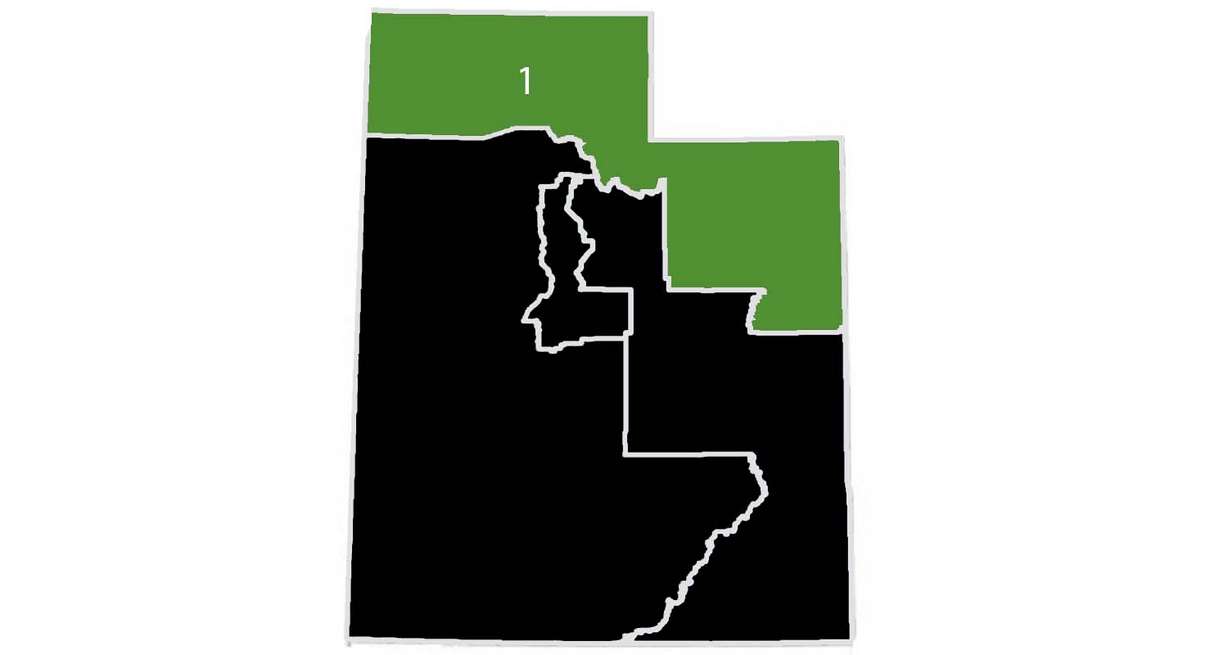
Rob Bishop, Republican Party
Bishop has been serving as the District 1 congressional representative since 2003. His platform includes government reform, innovative energy solutions, tax cuts and more.
More information about Bishop can be found here.
Craig Bowden, Libertarian Party
Bowden, a Marine veteran and business owner, has a platform that includes decreasing government surveillance and repeal the Patriot Act, decreasing the amount of military involvement overseas and ending the war on drugs — legalizing marijuana for medical and recreational use.
More information about Bowden can be found here.
Peter Clemens, Democratic Party
Clemens is a physician and former Army Reserves captain. His platform includes increasing financial aid for students and improving school lunch programs, improving air and water quality, tax breaks for companies remaining in the U.S. and reducing health care costs.
More information about Clemens can be found here.
Chadwick Fairbanks III, Unaffiliated
Fairbanks is a sales manager running unaffiliated. His platform includes ending abortion, ending corruption, temporarily halting all travel to the U.S. for all non-U.S. passport holders and creating term limits for politicians, among other topics.
More information about Fairbanks can be found here.
U.S. Congressional District 2
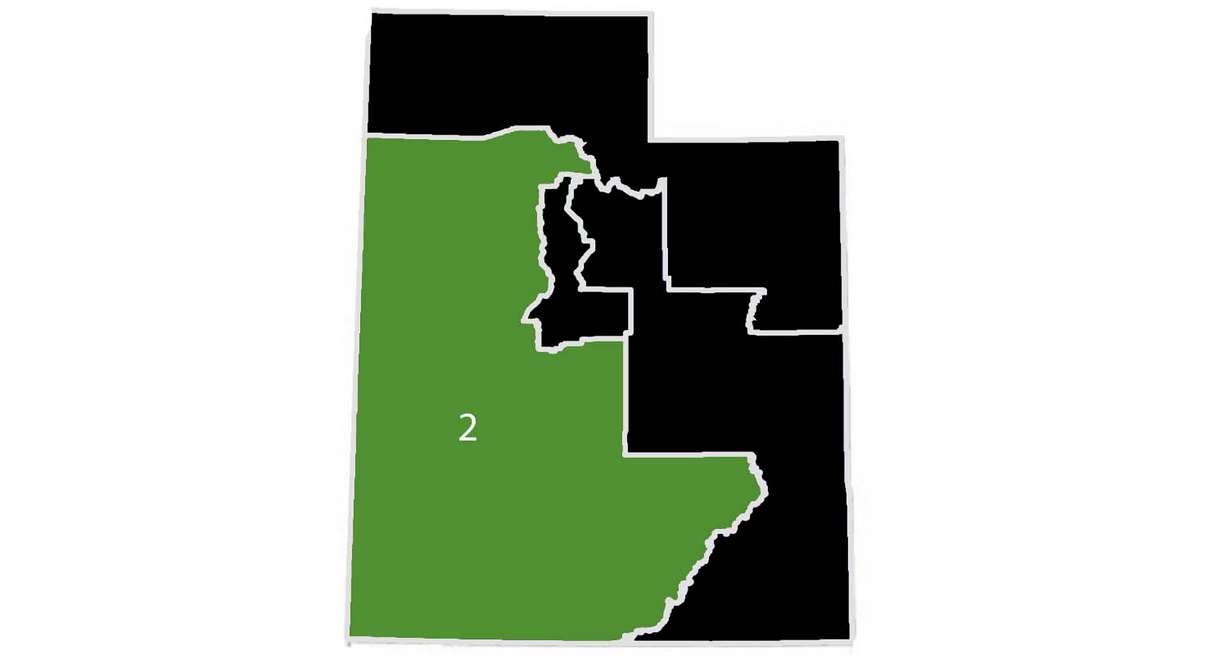
Charlene Albarran, Democratic Party
Albarran, a businesswoman, has a platform that includes affordable education and lowering the interest rates on student loans, equal pay for women in the workplace, promoting sustainable and renewable energy and protecting Medicare and Social Security.
More information about Albarran can be found here.
Paul McCollaum, Constitution Party
McCollaum runs on the Constitution Party, which stands on erasing federalization of education, protecting voters’ identifying information, letting individuals create solutions to clean air problems and opposition of Medicaid expansion.
Chris Stewart, Republican Party
Stewart, the incumbent, ran unopposed through the primaries. The former Air Force pilot and author was elected in 2012. His platform includes stronger government presence overseas with a streamlined budget, putting education in the hands of the state and repealing and replacing the Affordable Care Act, as well as among other topics.
More information about Stewart can be found here.
U.S. Congressional District 3
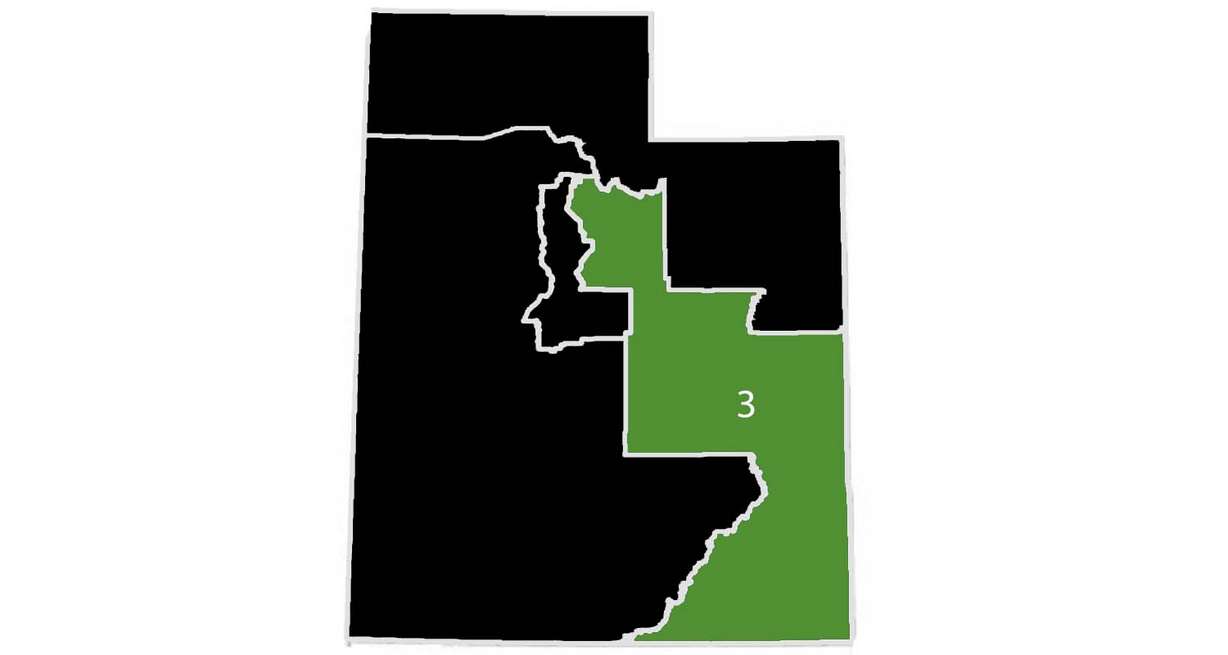
Jason Chaffetz, Republican Party
Chaffetz, the incumbent, received nearly 79 percent of a summer primary vote to defeat Chia-Chi Tang and be able to seek re-election. His platform includes reforming education, Medicaid, Medicare and Social Security, as well as immigration, among other issues.
More information about Chaffetz can be found here.
Stephen Tryon, Democratic Party
Tryon is a military veteran and Bronze Star recipient. His platform includes ensuring that education is accessible throughout higher education, environmental reform, balancing the budget and taxing those who pollute the environment, among other issues.
More information about Tryon can be found here.
U.S. Congressional District 4
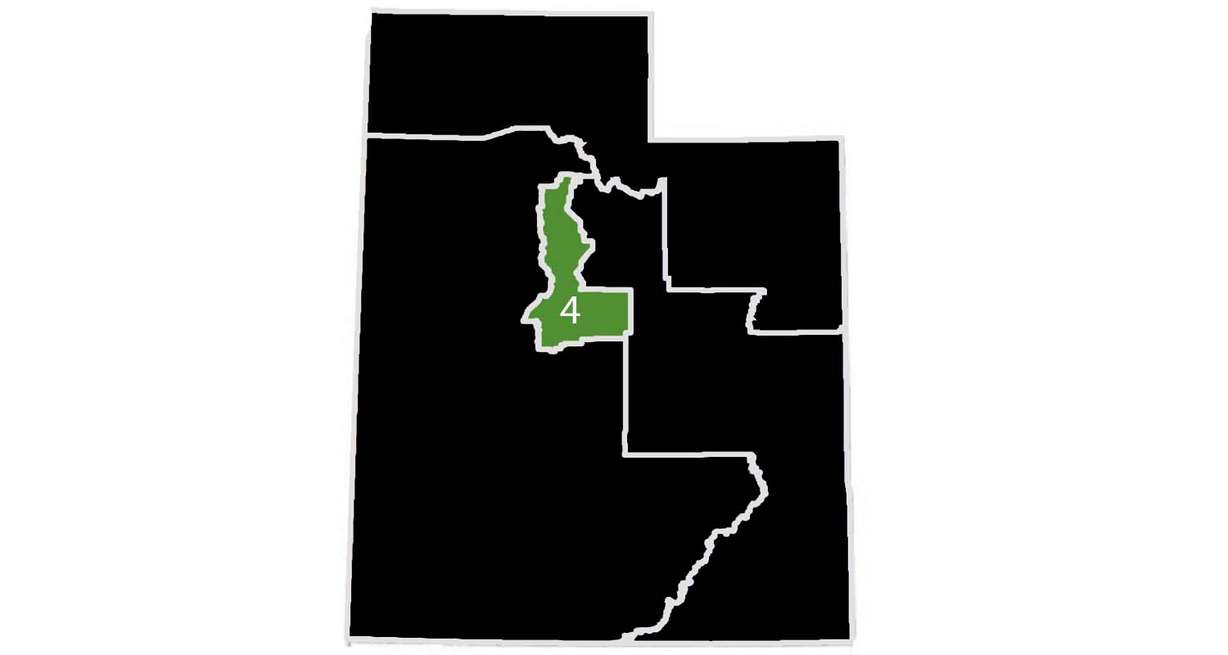
Collin Simonsen, Constitution Party
Simonsen is an attorney based in the Salt Lake area. His platform includes limiting federal involvement and reducing federal spending, trimming the national debt and making abortions illegal, among other topics.
Mia Love, Republican Party
The former Saratoga Springs mayor was elected to the Congress in 2014 and is up for re-election. Her platform includes reducing the federal role of the educational system, repealing Affordable Care Act and replacing it with a different system, lowering taxes, as well as other issues.
More information about Love can be found here.
Doug Owens, Democratic Party
Owens, a defense attorney, ran unopposed from the Democratic Party. His platform includes lowering costs of community college and universities, Medicare and Social Security protection and energy reform, among other topics.
More information about Owens can be found here.
Click here for a list of all election candidates on the Utah ballot this election year