Estimated read time: 2-3 minutes
This archived news story is available only for your personal, non-commercial use. Information in the story may be outdated or superseded by additional information. Reading or replaying the story in its archived form does not constitute a republication of the story.
A study has more bad news for China's pollution, or for that matter, any other city that's fighting the problem. A new report from the American College of Cardiology says pollution is damaging the blood vessels directly.
Breathing in ultrafine air pollutants is damaging more than just our lungs. A new study released this week shows an immediate decrease in both coronary flow and the beating function of the heart. These latest findings certainly don't help console athletes in China.
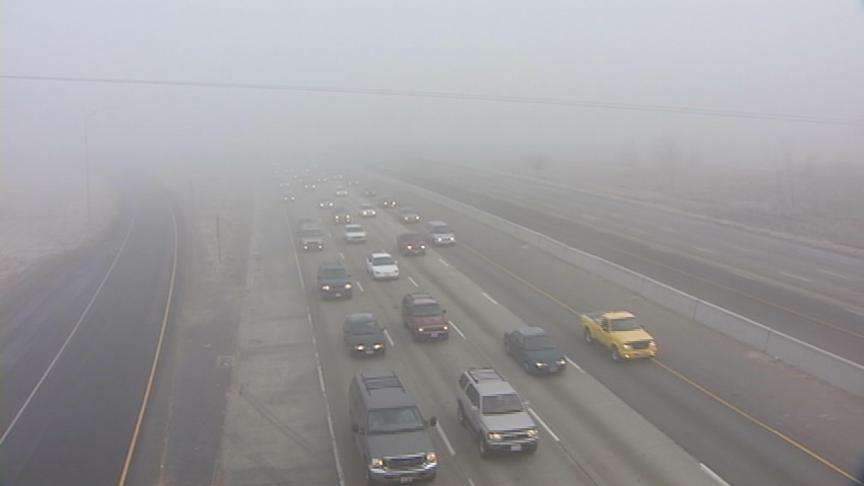
The data shows ultrafine air pollutants, which are already highly reactive molecules, generate what are called free radicals when they find their way into the blood vessels.
Utah cardiologist Dr. Jeffrey Anderson says this latest University of Southern California study is just more ammunition researchers have now collected. The damage to vessels and the heart, he says, becomes all too obvious. "And they are so small that they can exchange into the circulation of the blood as they pass through the lungs, circulate around, and cause injury to the blood vessels as they go along. That induces inflammation," he said.
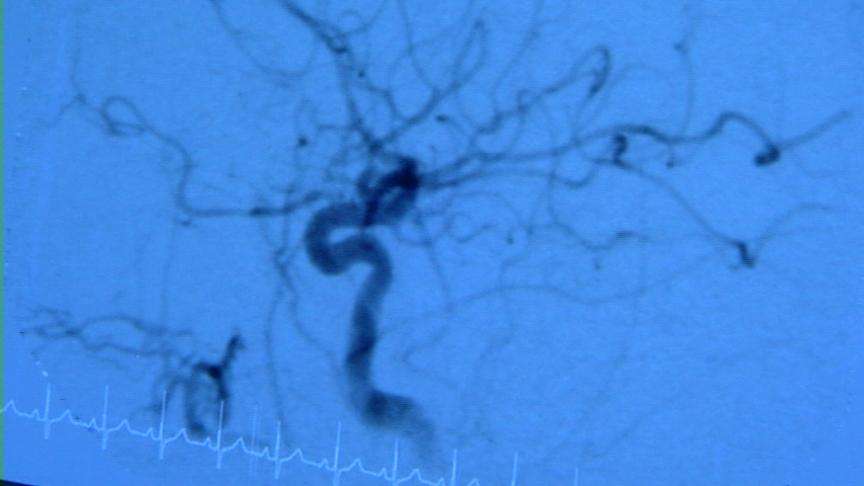
But it's not just China. Last year during pollution days in our own valley, Brigham Young University and Intermountain Medical Center researchers collected some of the most damaging evidence yet. They looked at what happened to patients who already have cardiovascular or heart problems during actual inversions, even when the pollution day or days did not reach the level of a red alert.
"For every 10 micrograms per meter square that the pollution level increases, which is a very modest amount, the risk of a heart attack on that day or within plus or minus one or two days goes up five percent. If that goes up 10-fold, which is possible on some of our bad days here, that risk can increase 50 percent on that day or within two or three days of that time," Anderson said.
What's sobering now, researchers say, is that pollution no longer has to become an environmental catastrophe to cause major damage.
E-mail: eyeates@ksl.com