Estimated read time: 3-4 minutes
This archived news story is available only for your personal, non-commercial use. Information in the story may be outdated or superseded by additional information. Reading or replaying the story in its archived form does not constitute a republication of the story.
SALT LAKE CITY — Cold weather is heading our way, meaning it's time to think about preparing your garden for winter.
Normally Utah's first frost doesn't arrive until the middle of November, but temperatures are dropping and KSL meteorologist Grant Weyman predicts the first frost could arrive as early as Thursday. Luckily, the process of winterizing a garden doesn't have to be too time-consuming or difficult.
We talked to Liz Pedersen, Wasatch Community Gardens' school coordinator, to get some tips.
Clean up your plot
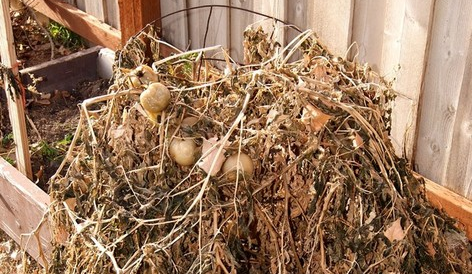
Cleaning up your garden will get you ready for spring planting and prevent pesky pests from making your plot their home. Pedersen recommended gardeners pull up all of their annual plants, being sure to get rid of roots and vines, and do a quick one-shovel deep turnover of the soil to loosen everything up. "Most people wait until the first frost because then all of the plants die so they're just a little easier to pull out of the ground and there is less material all around, but you can start to pull plants out of your garden and start to winterize your garden whenever you are sick of it," Pedersen said. "I started to pull out my gardens right around the 10th of October and I don't even feel bad about it."
Fall can be a great time to amend the soil in your garden, but it is also fine to leave that project until spring. Adding compost to the beds can add nutrients to the plot.
Protect your garden
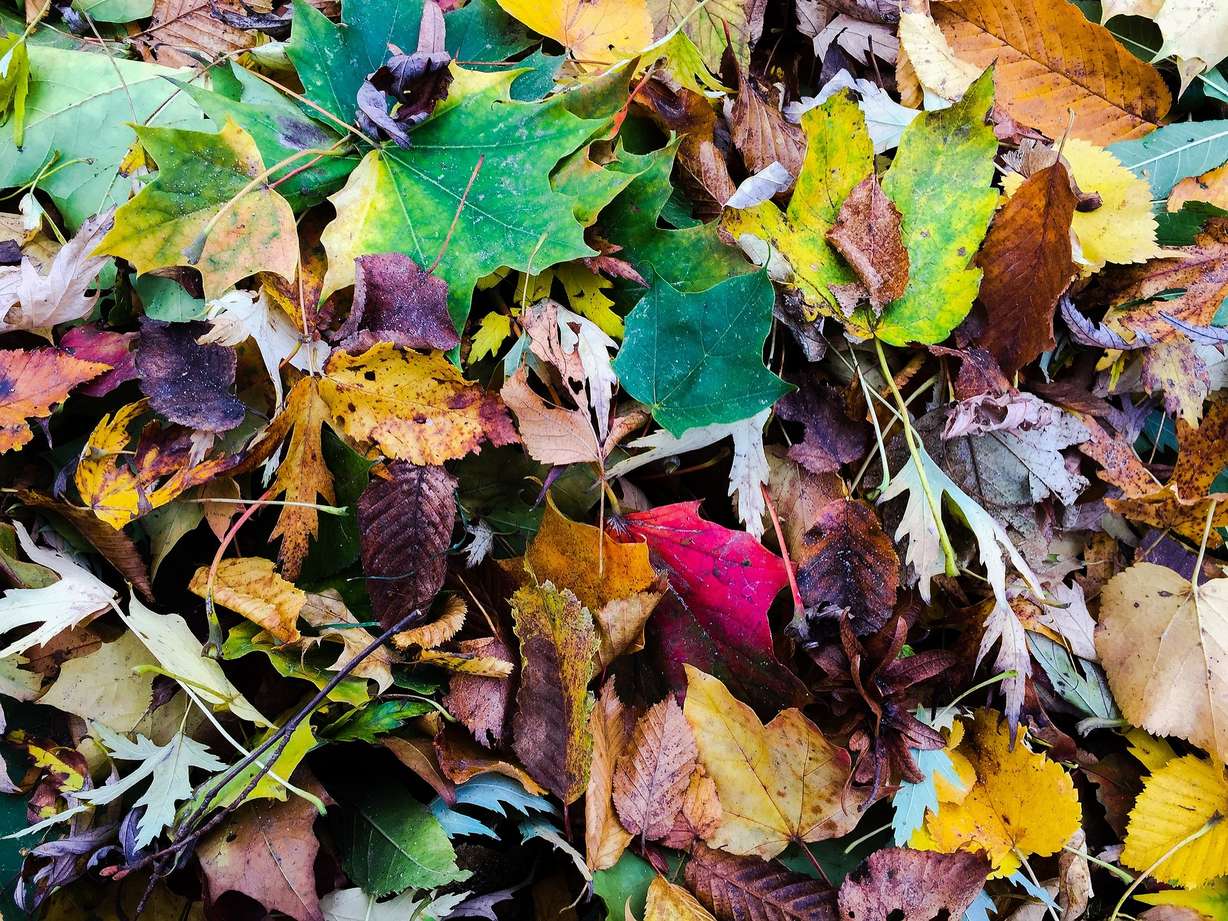
A simple way to protect your garden while it hibernates is to cover it with a layer of leaves or straw, according to Pedersen. She said a layer of leaves will suppress weeds that might spring up during the warm snaps that often occur in February.
"The great thing about that is then you can just rake those leaves right onto your pathways in the springtime and they act as a natural mulch, so they'll keep the weeds down on your pathways," Pedersen said.
For those who have irrigation systems, another action that can prevent headaches in the spring is to call a professional service to blow lingering water out of the irrigation lines. Then, the lines won't freeze and crack when temperatures drop.
"That's something a lot of people overlook and then in the spring they'll have cracked irrigation systems and say, 'I don't know why that happens,'" Pedersen said. "If you have an irrigation system, it is definitely worth it."
Plant winter crops, spring bulbs
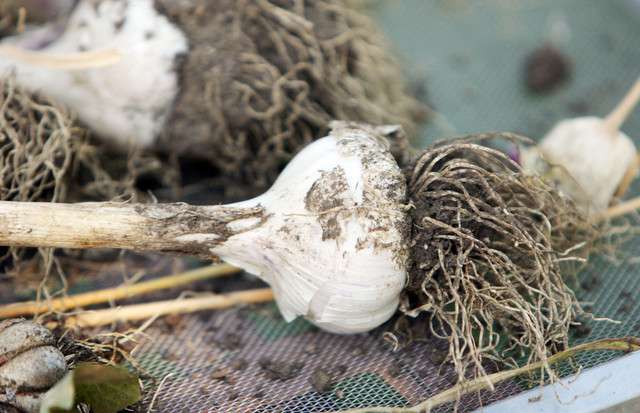
While many gardeners may choose to sit back and relax during the colder months, there are still a handful of cover crops like grains and winter wheat that can survive Utah's winter with some help. Pedersen said most leafy greens, like spinach, can also grow all year in Utah if they have a plastic grow covering.
Right around Halloween is also the right time to start to put garlic in, according to Pedersen. And while they won't bloom until spring, the end of fall can also be a great time to plant the bulbs of flowers like tulips and daffodils, according to the Utah State University Extension.