Estimated read time: 2-3 minutes
This archived news story is available only for your personal, non-commercial use. Information in the story may be outdated or superseded by additional information. Reading or replaying the story in its archived form does not constitute a republication of the story.
Jed Boal reportingThe pollen may drive you crazy today, but summer pollution is still on the horizon. Last year, bad air choked the valley many days. But now there's a unique task force looking for solutions.
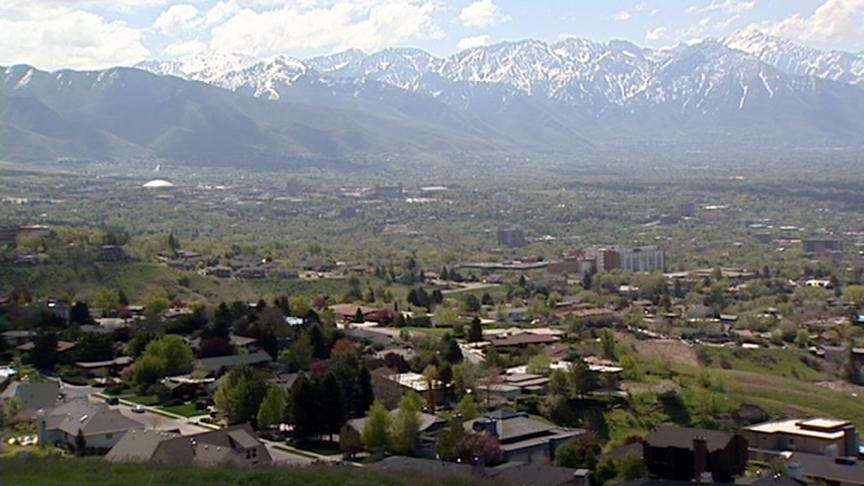
As smoke from the largest fire in Utah history filled the air last summer, it shrouded the valley in haze. Smoke and mid-summer ozone generated particulate levels three to four times the average. It was the worst summer air quality in years.
"It was dramatic. Our concern is that we're seeing these events happen more and more, and sometimes in the same spot," said Cheryl Heying, director of the Utah Division of Air Quality.
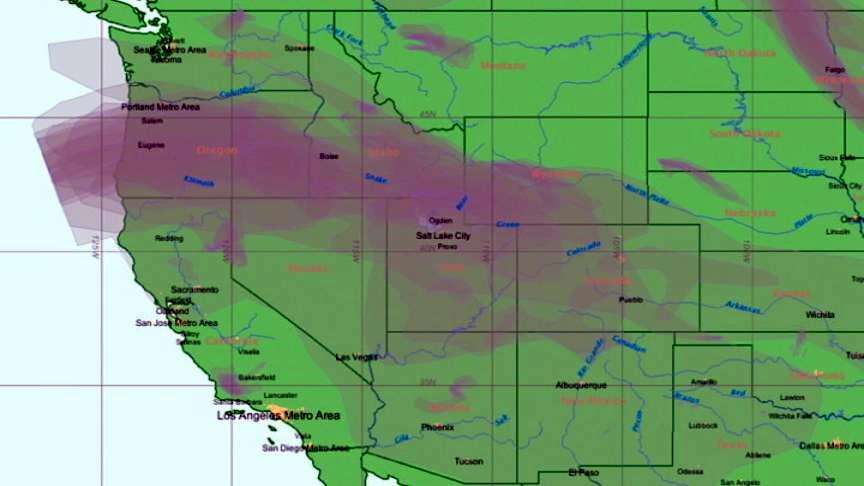
That was the case with the Milford Flat fire. It burned two years in a row and put out a lot of smoke last July.
The U.S. Department of Agriculture assembled a task force to look at agricultural impacts on air quality and, to some extent, agricultural burning.
Darrell Johnson is a fifth-generation rancher in Rush Valley. He uses prescribed burns to manage his land and rehabilitate rangeland. "We're interested in increasing the productivity and sustainability of our rangelands," he said.
His experience may help others manage the land so it's not as prone to repeated wildfires. "It's important to understand why things are changing and how they're impacting us in Utah; and more importantly, what we can do to minimize those impacts," Heying said.
Heying believes all agencies involved need to keep getting better at informing the public about what they can do during catastrophic air events. Things like minimizing our impact, decreasing exposure and even leaving the area if we have serious respiratory problems.
"We've learned, now, it does impact our health and there are some things we can do to minimize the impact and minimize the fires we are seeing," Heying said.
The director says we do need to minimize those impacts. During the peak of the pollution from the wildfires last July, the particulate matter equaled emissions from 1 million more cars on the road.
E-mail: jboal@ksl.com