Estimated read time: 5-6 minutes
This archived news story is available only for your personal, non-commercial use. Information in the story may be outdated or superseded by additional information. Reading or replaying the story in its archived form does not constitute a republication of the story.
SALT LAKE CITY -- With the all-important Iowa Caucus less than a month away, and with a total of 14 states using caucuses to decide who their GOP delegates will elect to be a contender for president, the caucus system remains one of the most contentious and confusing parts of the American election system.
As with many parts of election system, the caucus system is widely criticized, with its implementation in Utah as a form of electing state officials a hot button issue, with supporters of the system clashing with opponents of the system.
For those who would consider changes being made to the system, there are some important arguments one could bring up:
I**t’stime consuming**
Unlike a primary election system, where most of the time one simply checks a box to give their vote, and the only potential time-consuming activity is waiting in line, the caucus system by nature take a long time to conclude. From the gathering in someone’s living room, school cafeteria or other place of meeting, to the speech giving in support of delegates, to the final counting of which delegate got the most supporters, can take well up to 2-3 hours. After a day at work or school, with all the other errands daily life demands still needing to be done, who has the time to spend 2-3 hours to simply decide on who you’re going to elect to go on decide who to elect? This thought process often leads to…
#poll
Low voter turn out
It’s common knowledge that voter turnout in America is lower than most nations, but compare the numbers of voters who vote in primary systems to those who vote in caucus systems and it’s hard not to conclude that the process of the caucus system fosters lower voter turnout. In the all- important Iowa Caucus, heralded for its importance in deciding who ends up winning the nomination, a mere 16.1 percent of the voting eligible population took part in the last presidential election, whereas the equally important New Hampshire primary election had a voter turnout of 53.6 percent.
Fringe groups control the process
With so much time being required to fully participate in caucuses it would make sense that those that choose to participate are those that are most passionate about politics. And those who are most passionate often have views that differ from the general populace. With such a small amount of the voting populace participating in the system it is easy to conceive that a small radical group would be able to commit the time needed to pick delegates and candidates whose viewpoints would appease their own, but likely differ from the views of the majority of people. While some would argue that it is their reward for taking the time to participate, looking at the numbers of those who participate in primary elections it can be fathomed that the caucus system itself discourage the average voter more so than the primary system.
Candidates in a district/state that use caucus elections are responsible to a small group of voters
Rather than having to worry about appeasing everyone, a candidate could, with some validity, seek simply to appeal those groups that have been historically active in caucuses and have security in attaining their delegates. While those who champion the caucus system as it stands points out that candidates no longer have to spend millions on ad campaigns to gain recognition as they would in a primary, those against can simply argue that a candidate simply has to focus on the people who they need to worry about showing up.
Related:
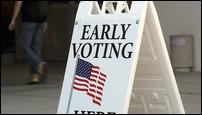
NH primary set, Utah's primary irrelevant?
It's official — New Hampshire's presidential primary will be held Jan. 10, state officials announced today.Can punish incumbents who sought to represent more than the fringe groups
While it is generally thought that Senator Bob Bennett (R-Utah) would have won in a primary election, the caucus system allowed a minority of voters who wanted him out to take over the election process and get rid of him despite the consensus that he would have won in a primary election. While this may be a bad example, as the majority of people supporting Bennett is up to some debate, it is an effective example of how careful a candidate must be to not tread on the toes of those who are active in the voting process. It should also be noticed that he was not thrown out by a group of committed Democrats, but a fringe group of his own party who deemed his policies not conservative enough.
While there are many perfectly valid arguments for keeping the caucus system as it is, since it fosters citizen participation in politics, these are some arguments that are often brought up in lobbying for changes to the system. Whether the system should be abolished altogether or made more open to the everyday voter, or of course kept as it is, is a subject that is likely to be debated to death, and would ironically take the party against the system getting equally involved in the system in order to change it (as state governments are the deciders in which system is used and the local party decides the proceedings) as those who desire to keep it as it is.
Freeman Stevenson is a high school senior planning on going on to get a degree in journalism. To see more from Freeman visit his blog at http://freemancole.blogspot.com /.