Estimated read time: 2-3 minutes
This archived news story is available only for your personal, non-commercial use. Information in the story may be outdated or superseded by additional information. Reading or replaying the story in its archived form does not constitute a republication of the story.
SALT LAKE CITY -- Panic was in the air on Wall Street, and maybe you felt some panic, too. It's hard not to worry about your own money when a massive meltdown dominates the news.
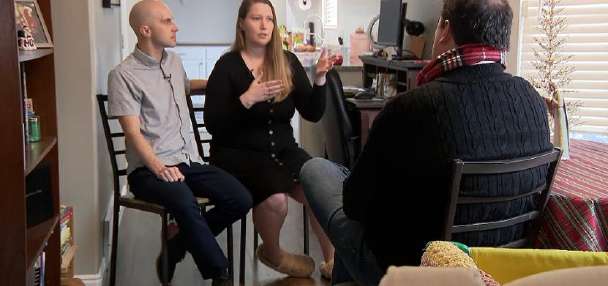
"There's a lot of fear an nervousness in the market," says certified financial planner Brian Worley.
Related

Despite market woes, best time for big purchases may be now
Plan on making any big ticket purchases such as buying a house or car? Experts say now is the time to buy, because interest rates are extremely low.Less than three weeks ago, you might have felt pretty good about your investments, your loans and your spending plans. But, a cloud of uncertainly has drifted over August, and Worley says the volatility could continue.
So, it's important to keep your cool.
"Make sure you understand what you're trying to do with your investments," Worley says.
He keeps three things top of mind: First of all, do not panic.
"One of my favorite quotes for a situation like this came from a client, who said, 'When you're on a roller coaster, wait until it stops before you try and get off,'" the planner says.
If you're a long-term investor, don't sell and take the losses, even if you are nervous.
Second, have a plan.
"If you're about to retire, you need to evaluate your investments and make sure you have the right investment plan for you," Worley says.
If you've got it and you're comfortable with what you have in savings, I would not change your spending plans.
–Financial planner Brian Worley
If you're young, don't let a three-day drop derail a three-decade plan.
And third, stay focused on your goals.
"If you are a long-term investor, keep a long-term horizon in focus and try to ride through things like this," he says.
If you plan to borrow money for a house or a car, theoretically, rates should go up. But, that should play out slowly, so you likely don't need to rush.
As for our spending, higher costs could make us all more tight-fisted with our cash, but that behavior raises the risk for another recession.
So, what about that vacation plan?
"I would go back to what I said earlier: Don't panic," Worley says. "If you've got it and you're comfortable with what you have in savings, I would not change your spending plans."
Especially if you have six months emergency savings in the bank. Worley calls that "sleep at night" savings. If you don't, this is another time to consider how important it is to have that security in savings, because this volatility could continue.
Email: jboal@ksl.com