'%3e%3cpath%20d='M34.1406%205.85938C30.3906%202.10547%2025.3047%200%2020%200C14.6953%200%209.60938%202.10547%205.85938%205.85938C2.10938%209.61328%200%2014.6953%200%2020C0%2025.3047%202.10547%2030.3906%205.85938%2034.1406C9.61328%2037.8906%2014.6953%2040%2020%2040C25.3047%2040%2030.3906%2037.8945%2034.1406%2034.1406C37.8906%2030.3906%2040%2025.3047%2040%2020C40%2014.6953%2037.8945%209.60938%2034.1406%205.85938ZM37.0117%2023.543H31.1602V13.5391H27.6328V19.9414C28.1211%2020.6914%2028.3711%2021.582%2028.3711%2022.5625V22.625C28.3711%2023.668%2028.1172%2024.6055%2027.6328%2025.4297V26.6094H36.082C33.4883%2032.9375%2027.2891%2037.3789%2020.0039%2037.3789C10.3711%2037.3789%202.62109%2029.6289%202.62109%2020C2.62109%2010.3711%2010.3711%202.62109%2020%202.62109C29.6289%202.62109%2037.3789%2010.3711%2037.3789%2020C37.3789%2021.1484%2037.2617%2022.2656%2037.0508%2023.3477C37.0391%2023.4141%2037.0234%2023.4766%2037.0117%2023.543Z'%20fill='white'/%3e%3cpath%20d='M22.3086%2018.5352C20.4336%2018.125%2019.9531%2017.8398%2019.9766%2017.1836V17.1406C19.9766%2016.6992%2020.3477%2016.2148%2021.4023%2016.2148C22.582%2016.2148%2023.8867%2016.6797%2025.0781%2017.4766L26.8516%2015.0195C25.4453%2013.8906%2023.707%2013.3398%2021.5547%2013.3398C18.5195%2013.3398%2016.4375%2015%2016.4063%2017.4766V17.5352C16.3633%2020.2617%2018.5859%2020.9805%2021.293%2021.6016C23.0391%2021.9766%2023.5703%2022.3164%2023.5703%2022.9609L23.5469%2022.9766C23.5469%2023.3906%2023.2578%2023.7031%2022.7852%2023.8359C22.5742%2023.9062%2022.1289%2023.9727%2021.5156%2023.9727C20.7617%2023.9727%2019.7539%2023.8633%2018.6328%2023.4844C18.0898%2023.2891%2017.4727%2023.0039%2016.8047%2022.6133L20.1406%2026.625C20.2813%2026.6602%2021.0977%2026.8516%2021.7734%2026.8516C25.0039%2026.8516%2027.0859%2025.2461%2027.1094%2022.6328V22.5703C27.1602%2020.1133%2025.2148%2019.1719%2022.3086%2018.5352Z'%20fill='white'/%3e%3cpath%20d='M5.24219%2013.5664V26.6133H8.75391V23.7578L10.2969%2021.9531L14.2031%2026.6133H18.3867L12.3555%2019.5195L17.4023%2013.5664H13.4531L8.75391%2019.0586V13.5664H5.24219Z'%20fill='white'/%3e%3c/g%3e%3cdefs%3e%3cclipPath%20id='clip0_97_2430'%3e%3crect%20width='40'%20height='40'%20fill='white'/%3e%3c/clipPath%3e%3c/defs%3e%3c/svg%3e)



Estimated read time: 3-4 minutes
This archived news story is available only for your personal, non-commercial use. Information in the story may be outdated or superseded by additional information. Reading or replaying the story in its archived form does not constitute a republication of the story.
SALT LAKE CITY — The worry about trace amounts of radiation in milk and contamination from Japan reaching the West Coast — and some believe, Utah — has reignited the debate over what level of radiation is safe.
But nuclear engineers say everyone is exposed to radiation, every day. There are even common household items that will set off a Geiger counter.
Gary Sandquist, professor emeritus from the University of Utah in nuclear engineering, says Utahns are exposed to more radiation every day than those living at sea level, since exposure goes up for each hundred feet of elevation.
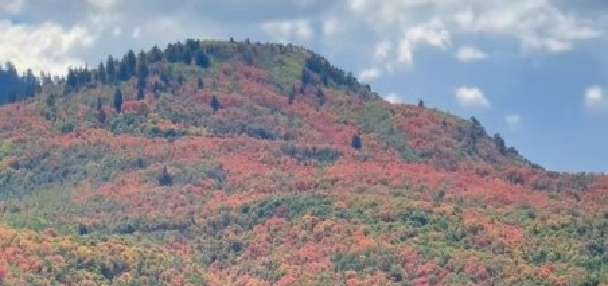
Plus, Utah's rich granite deposits in the Wasatch Mountains contribute to radiation exposure.
Everything that we eat and drink has a little bit of radiation in it.
–Bette Arial
"We have a lot of granite, and we also have an active fault, the Wasatch Fault," Sandquist said. "And this material, as a result, allows radon and other materials to move in."
In fact, the number one contributor to the average American's background radiation totals is inhaled radon-222. According to the National Council on Radiation Protection (NCRP), 68 percent of our background radiation comes from inhaled radon, primarily released from rocks and soil and seeping from the ground into homes.
But even with the elevation, granite and radon, Utahns don't have more incidents cancer than other states, Sandquist said, because there is so much more than one cause for something as complex as cancer. For example, diet, exercise and smoking rates can all be considered cancer risk factors, but they are also factors in which Utah fares well compared to other states.
People ingest radiation almost everyday, according to Bette Arial, vice-president of legislative and community affairs at EnergySolutions, which operates a Tooele County landfill that handles low-level radioactive waste materials.
"Everything that we eat and drink has a little bit of radiation in it," she said.
Bananas and milk are a contributor to background radiation, even if they don't come from Japanese sources. Sandquist said potassium-40, which you eat when you eat a banana, has a half-life of 1.3 billion years.
"There isn't very much potassium in ordinary potassium, but you have enough in your body that it represents about 5 percent of the natural background radiation that you receive," Sandquist said.
There are also ordinary householed items considered too radioactive to be accepted at EnergySolutions' facility in Clive. The list includes Fiestaware plates (popular in the 1960s and 1970s), which were painted with bright uranium-based paints, alarm clocks with glow-in-the-dark dials, wrist-watch faces and smoke detectors.
The NCRP found the annual dose per person of radiation has roughly doubled from the early 1980s to 2006, from 3.6 to 6.2 mSv (milliSieverts).
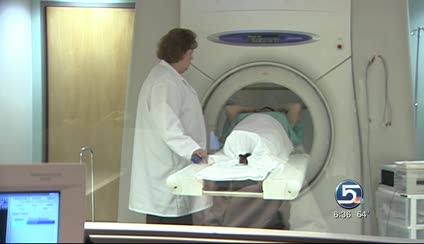
About 50 percent of radiation exposure in 2006 came from background radiation, not that generated by nuclear power plants. Radiation exposure from medical sources, like diagnostic testing, increased from 15 percent in the early 1980s to around 48 percent in 2006.
Exposure from occupational and industrial sources actually decreased slightly in that same time frame, from 0.3 percent to 0.1 percent of your total exposure.
Email:bbruce@ksl.com