'%3e%3cpath%20d='M34.1406%205.85938C30.3906%202.10547%2025.3047%200%2020%200C14.6953%200%209.60938%202.10547%205.85938%205.85938C2.10938%209.61328%200%2014.6953%200%2020C0%2025.3047%202.10547%2030.3906%205.85938%2034.1406C9.61328%2037.8906%2014.6953%2040%2020%2040C25.3047%2040%2030.3906%2037.8945%2034.1406%2034.1406C37.8906%2030.3906%2040%2025.3047%2040%2020C40%2014.6953%2037.8945%209.60938%2034.1406%205.85938ZM37.0117%2023.543H31.1602V13.5391H27.6328V19.9414C28.1211%2020.6914%2028.3711%2021.582%2028.3711%2022.5625V22.625C28.3711%2023.668%2028.1172%2024.6055%2027.6328%2025.4297V26.6094H36.082C33.4883%2032.9375%2027.2891%2037.3789%2020.0039%2037.3789C10.3711%2037.3789%202.62109%2029.6289%202.62109%2020C2.62109%2010.3711%2010.3711%202.62109%2020%202.62109C29.6289%202.62109%2037.3789%2010.3711%2037.3789%2020C37.3789%2021.1484%2037.2617%2022.2656%2037.0508%2023.3477C37.0391%2023.4141%2037.0234%2023.4766%2037.0117%2023.543Z'%20fill='white'/%3e%3cpath%20d='M22.3086%2018.5352C20.4336%2018.125%2019.9531%2017.8398%2019.9766%2017.1836V17.1406C19.9766%2016.6992%2020.3477%2016.2148%2021.4023%2016.2148C22.582%2016.2148%2023.8867%2016.6797%2025.0781%2017.4766L26.8516%2015.0195C25.4453%2013.8906%2023.707%2013.3398%2021.5547%2013.3398C18.5195%2013.3398%2016.4375%2015%2016.4063%2017.4766V17.5352C16.3633%2020.2617%2018.5859%2020.9805%2021.293%2021.6016C23.0391%2021.9766%2023.5703%2022.3164%2023.5703%2022.9609L23.5469%2022.9766C23.5469%2023.3906%2023.2578%2023.7031%2022.7852%2023.8359C22.5742%2023.9062%2022.1289%2023.9727%2021.5156%2023.9727C20.7617%2023.9727%2019.7539%2023.8633%2018.6328%2023.4844C18.0898%2023.2891%2017.4727%2023.0039%2016.8047%2022.6133L20.1406%2026.625C20.2813%2026.6602%2021.0977%2026.8516%2021.7734%2026.8516C25.0039%2026.8516%2027.0859%2025.2461%2027.1094%2022.6328V22.5703C27.1602%2020.1133%2025.2148%2019.1719%2022.3086%2018.5352Z'%20fill='white'/%3e%3cpath%20d='M5.24219%2013.5664V26.6133H8.75391V23.7578L10.2969%2021.9531L14.2031%2026.6133H18.3867L12.3555%2019.5195L17.4023%2013.5664H13.4531L8.75391%2019.0586V13.5664H5.24219Z'%20fill='white'/%3e%3c/g%3e%3cdefs%3e%3cclipPath%20id='clip0_97_2430'%3e%3crect%20width='40'%20height='40'%20fill='white'/%3e%3c/clipPath%3e%3c/defs%3e%3c/svg%3e)



Estimated read time: 2-3 minutes
This archived news story is available only for your personal, non-commercial use. Information in the story may be outdated or superseded by additional information. Reading or replaying the story in its archived form does not constitute a republication of the story.
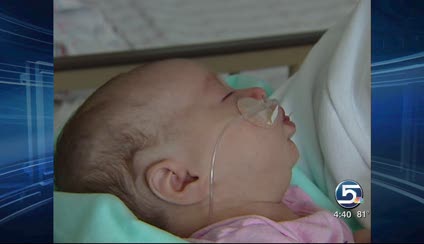
SALT LAKE CITY -- Seven infants have died from a pertussis outbreak in California. It's described as the worst pertussis epidemic in the state's history, and Utah officials are keeping a close eye on the outbreak.
Utah health officials and doctors say they can't stress enough the importance of getting vaccinated against pertussis, also known as whooping cough.
But it's not just children who are in danger; teens and adults should also be vaccinated to prevent the spread of the contagious disease.
The symptoms of pertussis are very much like the common cold. Children may cough, sneeze or have a runny nose -- but over time, the cough becomes worse.
- A contagious respiratory illness caused by bacteria
- Also called pertussis
- Often spread through sneezing and coughing
- Infection usually lasts 6 weeks
- Initial symptoms similar to the common cold
- DTaP vaccinations are offered to help prevent infection
"You have a very great effort to breathe," explains Rebecca Ward with the Utah Immunization Program at the Utah Department of Health. "It's almost like an inspiratory whoop, and that's why we call it whooping cough."
State health officials are keeping a close eye on the California outbreak where seven infants all under the age of 2 months died.
Lance Madigan, spokesman for the Utah County Health Department, says the pertussis outbreak in California is the largest in recent history. About 1,500 cases, along with the seven deaths, have been reported in California through the end of July.
Ward says the infants were too young to be vaccinated and stresses the importance of the rest of the family getting immunized.
"It's really important for people to think about it, because they say, ‘Well I didn't know there was a vaccine for adolescents or adults,' and there is and we're the ones who spread it to the young children," Ward said.
Doctors say if parents and older siblings get vaccinated, it limits exposure of the disease to little ones.
"It is treatable and it is preventable, and the way to prevent it is the TDap shot, which is tetanus with pertussis added on," said Dr. Celeste Raffin, an emergency physician at St. Mark's Hospital in Holladay.
Immunization rates are near 90 percent for children entering kindergarten in Utah; however, only 77 percent of children 2 years and younger get vaccinated.
Valoree Zernon, an epidemiologist with the Utah Department of Health, told the Daily Herald outbreaks happen in Utah every three to four years. The last outbreak was in 2006. Utah rates currently are the lowest they've been since then; 117 cases have been reported this year. One-third of those were in children under the age of 18; the rest were adults.
"We tend to see these outbreaks in populations where vaccinations have not been done and, of course, any time you are an infant or neonate and you get any disease it's always going to be worse," Raffin said.
Health officials say the last pertussis vaccine is usually given around 12 years of age, so by adulthood that dosage offers little protection.
The last big outbreak of whooping cough in Utah was in 2006.
E-Mail: aforester@ksl.com