'%3e%3cpath%20d='M34.1406%205.85938C30.3906%202.10547%2025.3047%200%2020%200C14.6953%200%209.60938%202.10547%205.85938%205.85938C2.10938%209.61328%200%2014.6953%200%2020C0%2025.3047%202.10547%2030.3906%205.85938%2034.1406C9.61328%2037.8906%2014.6953%2040%2020%2040C25.3047%2040%2030.3906%2037.8945%2034.1406%2034.1406C37.8906%2030.3906%2040%2025.3047%2040%2020C40%2014.6953%2037.8945%209.60938%2034.1406%205.85938ZM37.0117%2023.543H31.1602V13.5391H27.6328V19.9414C28.1211%2020.6914%2028.3711%2021.582%2028.3711%2022.5625V22.625C28.3711%2023.668%2028.1172%2024.6055%2027.6328%2025.4297V26.6094H36.082C33.4883%2032.9375%2027.2891%2037.3789%2020.0039%2037.3789C10.3711%2037.3789%202.62109%2029.6289%202.62109%2020C2.62109%2010.3711%2010.3711%202.62109%2020%202.62109C29.6289%202.62109%2037.3789%2010.3711%2037.3789%2020C37.3789%2021.1484%2037.2617%2022.2656%2037.0508%2023.3477C37.0391%2023.4141%2037.0234%2023.4766%2037.0117%2023.543Z'%20fill='white'/%3e%3cpath%20d='M22.3086%2018.5352C20.4336%2018.125%2019.9531%2017.8398%2019.9766%2017.1836V17.1406C19.9766%2016.6992%2020.3477%2016.2148%2021.4023%2016.2148C22.582%2016.2148%2023.8867%2016.6797%2025.0781%2017.4766L26.8516%2015.0195C25.4453%2013.8906%2023.707%2013.3398%2021.5547%2013.3398C18.5195%2013.3398%2016.4375%2015%2016.4063%2017.4766V17.5352C16.3633%2020.2617%2018.5859%2020.9805%2021.293%2021.6016C23.0391%2021.9766%2023.5703%2022.3164%2023.5703%2022.9609L23.5469%2022.9766C23.5469%2023.3906%2023.2578%2023.7031%2022.7852%2023.8359C22.5742%2023.9062%2022.1289%2023.9727%2021.5156%2023.9727C20.7617%2023.9727%2019.7539%2023.8633%2018.6328%2023.4844C18.0898%2023.2891%2017.4727%2023.0039%2016.8047%2022.6133L20.1406%2026.625C20.2813%2026.6602%2021.0977%2026.8516%2021.7734%2026.8516C25.0039%2026.8516%2027.0859%2025.2461%2027.1094%2022.6328V22.5703C27.1602%2020.1133%2025.2148%2019.1719%2022.3086%2018.5352Z'%20fill='white'/%3e%3cpath%20d='M5.24219%2013.5664V26.6133H8.75391V23.7578L10.2969%2021.9531L14.2031%2026.6133H18.3867L12.3555%2019.5195L17.4023%2013.5664H13.4531L8.75391%2019.0586V13.5664H5.24219Z'%20fill='white'/%3e%3c/g%3e%3cdefs%3e%3cclipPath%20id='clip0_97_2430'%3e%3crect%20width='40'%20height='40'%20fill='white'/%3e%3c/clipPath%3e%3c/defs%3e%3c/svg%3e)



Estimated read time: 3-4 minutes
This archived news story is available only for your personal, non-commercial use. Information in the story may be outdated or superseded by additional information. Reading or replaying the story in its archived form does not constitute a republication of the story.
SALT LAKE CITY -- Residents of Rich County were caught off guard Thursday when the biggest earthquake in the state in almost two decades shook the area.
In the wake of the quake, some wonder if Utahns across the state are prepared for other seismic events.
If a major earthquake were to hit, will people be prepared, or will there be panic? That's the question on many people's minds.
And while it's not likely that the 4.9 magnitude earthquake is a precursor to what many call "The Big One," it is a reminder that Utahns should be prepared in case of any natural disaster.
"The people who think, ‘oh we'll never have a really big earthquake in Utah,' well maybe we will, maybe we won't. But how nice will it be to be prepared?" says Susan Thomas with the Utah Chapter of the American Red Cross.
If there is one thing Thomas could convey, it's that everyone in Utah should be prepared for a natural disaster.
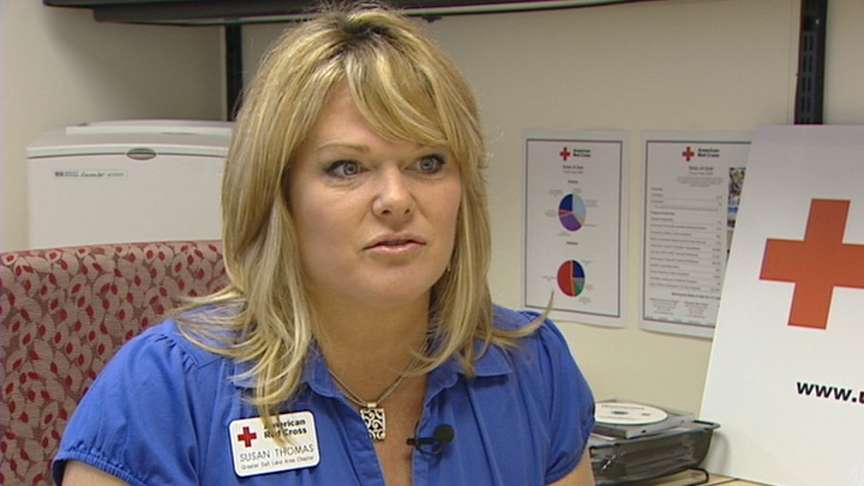
"People who are prepared when something happens, they just fair so much better," she says.
When it comes to an earthquake, whether it's a 4.9 magnitude jolt in Randolph, Utah, or an 8.8 magnitude disaster like the one in Chile, there are some basic key steps you can take to be prepared.
The first is to have a plan.
Thomas says, "Some of the biggest questions we get are, ‘how am I going to get a hold of my family if I'm at work, my kids are at school and my husband's at work?"
She suggests families determine the following steps in case of emergency:
- Choose two meeting places -- one outside your home and one outside your neighborhood in case you can't get to your home
- Choose an emergency contact person outside your area because it may be easier to get in touch with them if local phone lines are down
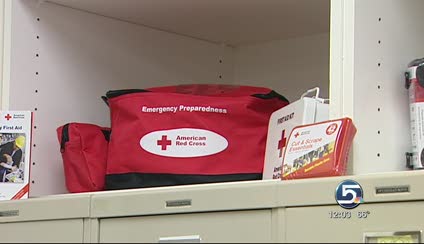
- Prepare a first aid kit with basic supplies
"What's really good to have are sturdy shoes, gloves, flashlight, water, first aid kit -- I could go on and on about how important that first aid kit is," Thomas says.
One important piece of equipment to have on hand is a radio, along with some batteries. Chances are your TV won't work, so radio will be the best way for information to be given out about relief efforts.
Thomas also recommends that you have a 72-hour kit, complete with water and extra medication.
"It just makes you feel better to know that you have the items you need, that you know what to do and that you had some first aid and CPR training if you need that, and you are going to be safe," Thomas says. "Have a plan and you're going to be able to find out where your family is and make sure that they're OK."
There are many other tips on how to be prepared for an earthquake or any other natural disaster. To print off the American Red Cross' earthquake safety checklist, [CLICK HERE].
To print of the Utah Red Cross "Be Ready" earthquake preparedness checklist, [CLICK HERE].
To watch the American Red Cross disaster preparedness video, [CLICK HERE].
E-mail: spark@ksl.com