- Nusano, a Utah-based company, aims to address radioisotope shortages in nuclear medicine.
- Using patented particle accelerator technology, Nusano says it plans to produce 25 different medical isotopes, including those used in cancer treatment.
- Utah's location offers logistical advantages for quick isotope distribution across the country.
SALT LAKE CITY — Nuclear medicine supports some of the most advanced cancer treatments in the world. The radioisotopes that power it, however, are difficult to produce and often in short supply, which means treatment plans can depend on providers' ability to access the right radioactive materials in time.
One Utah company is working to change that.
"There is an incredible shortage of radioisotopes for clinicians and hospitals and drug treatment companies for the production and the development of treatments and cures for cancer," said Keith Titus, interim CEO at Nusano.
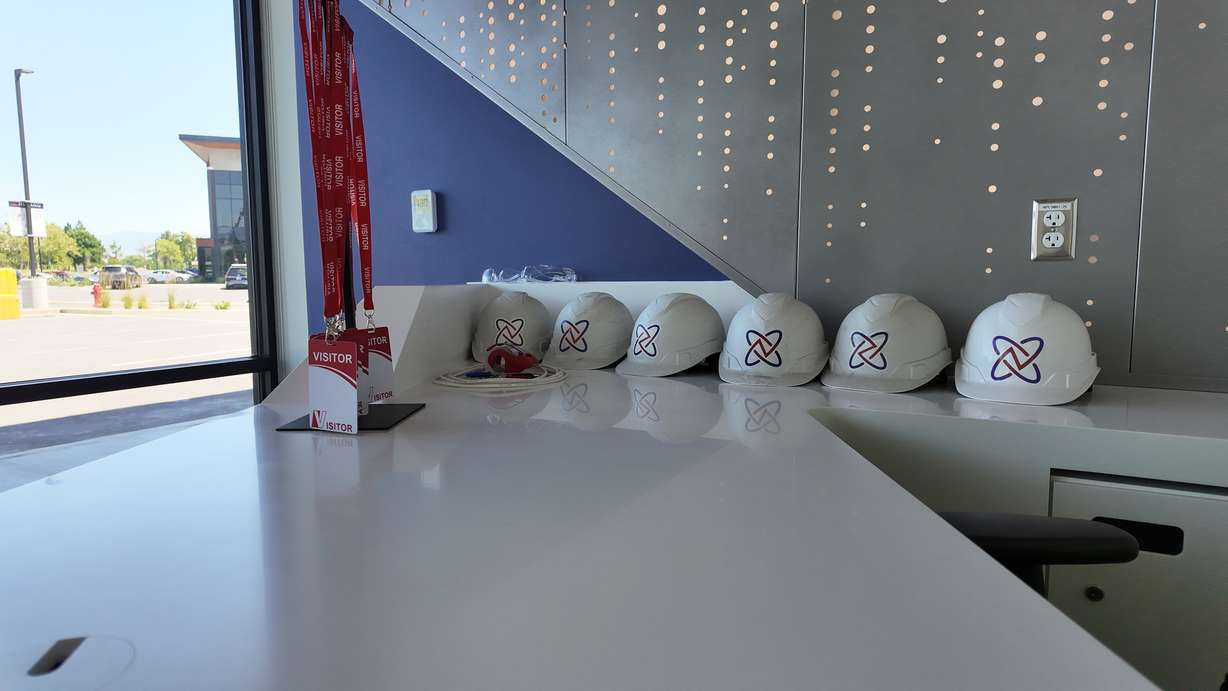
Nuclear medicine uses radioisotopes — unstable versions of chemical elements that release energy as radiation — to help doctors visualize tumors, support research and deliver targeted radiation therapy designed to destroy cancer cells while minimizing damage to healthy tissue. Over 50 million nuclear medicine procedures are performed each year, according to the World Nuclear Association, and demand for radioisotopes continues to increase.
"It's like everyone wants to bake a cake at once, but there's only one cup of flour," said Scott Larrivee, head of Nusano communications.
As demand for nuclear medicine grows, Larrivee said expanding isotope production is critical to keeping pace with cancer research and treatment needs. That is where the Utah-based physics company said it comes in.
Using patented particle acceleration technology, Nusano says it's developing radioisotopes more quickly and efficiently to help close the supply gap. The company is nearing completion of a linear accelerator — a machine that speeds up particles and directs them at specific materials — along with a distribution platform that holds 12 targets and four particle beams used to produce isotopes.
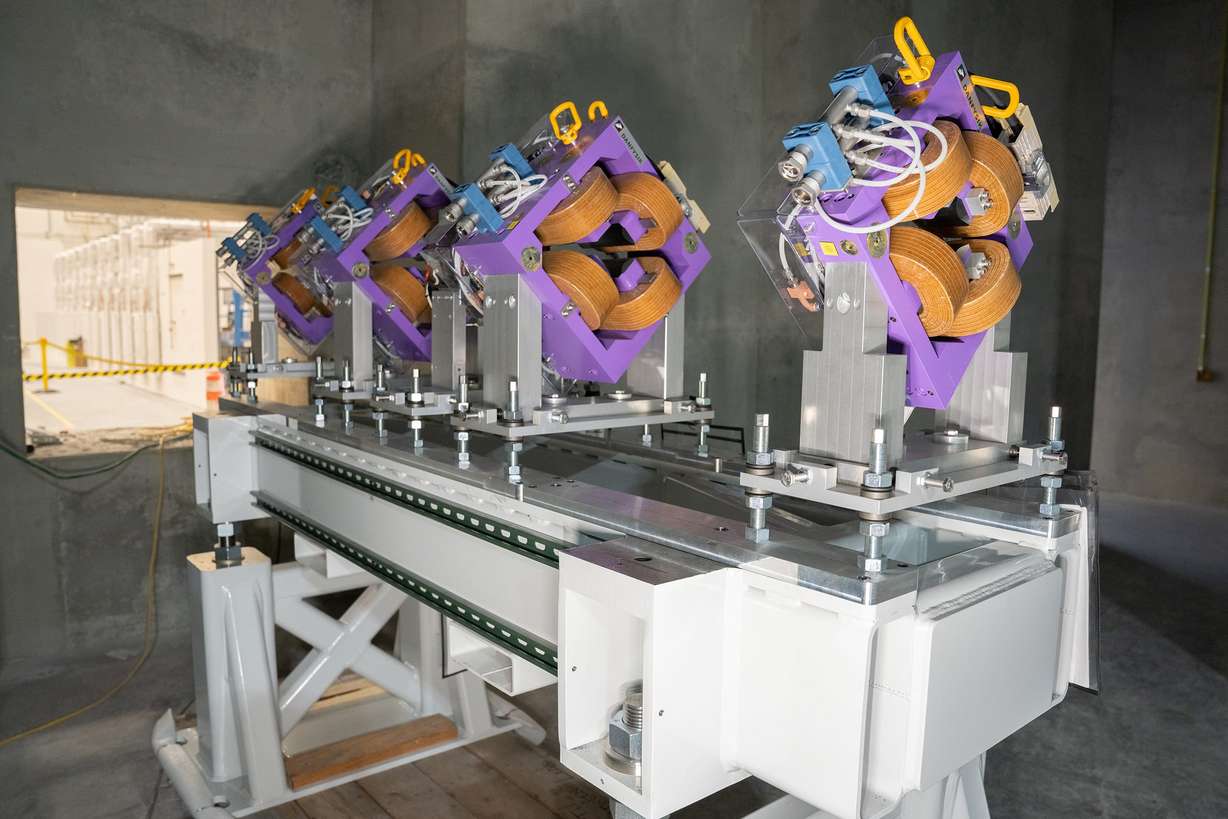
Titus and Larrivee said the technology will allow their company to manufacture 25 different isotopes for treatment options, including those used in cancer care. The volume enabled by the four beam lines and 12 targets could help increase availability and reduce costs for patients.
"One of the biggest challenges that all clinicians, hospitals, researchers have is the radioisotope supply availability to do that work," Titus said.
He said Nusano chose Utah for several reasons, including access to talent, a strong workforce and a business-friendly environment.
"First and foremost, access to incredible talent. It is a very business-friendly state. We have a great state government that has been phenomenal to work with," Titus said. "Not just technical expertise, but work ethic. We have a great collaborative team here that we've been able to assemble. Quality of life is exceptional."
"It's attractive," he added.
Utah's location was also important because many radioisotopes have a short half-life, Titus said, meaning they must be shipped quickly to drug production companies across the country. He said having the Delta Airlines hub, FedEx hub and Salt Lake City International Airport close together makes Utah a strong location for that work.
"We all have a family member that we care about or a friend that we care about that has been affected by cancer in their life," Titus said. "And that mission is what connects all of us together."
Larrivee returned to the flour analogy to describe how he and Titus see the company's role in the fight against cancer:
"Think about a giant flour mill," he said. "And then the drug makers and the researchers are the ones that are going to figure out whether they take that flour and it becomes a cake or a pie — all different ways of treating cancer. But without this critical ingredient, they can't do their work."