Estimated read time: 2-3 minutes
This archived news story is available only for your personal, non-commercial use. Information in the story may be outdated or superseded by additional information. Reading or replaying the story in its archived form does not constitute a republication of the story.
Ed Yeates reportingUtah school bus drivers may be setting the stage for a national project to fight pollution; more specifically, emissions that come from their own buses.
Approximately 25 million children in this country ride a school bus to and from school every day. Most of those diesel buses idle while waiting for the kids, but a big change is in the wind!
A pilot bus-idling-reduction training program is unfolding here in Utah that could be adopted across the country.
In partnership with Utah Clean Cities, local school districts, the National Energy Foundation and the State Office of Education, this Utah-designed curriculum is a first anywhere.
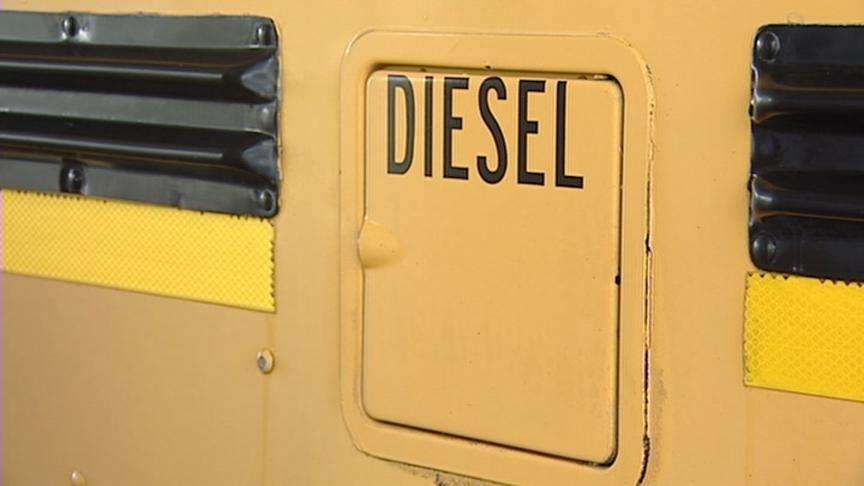
Bus drivers in the Salt Lake City School District and in St. George are among the first to take up the challenge.
They'll start shutting off their engines any time and any place where it's practical. Murrell Martin, a pupil transportation specialist with the State Office of Education, says, "Whether that idling is in the morning in pre-tripping a bus, or whether that's at a school, whether they're on a layover."
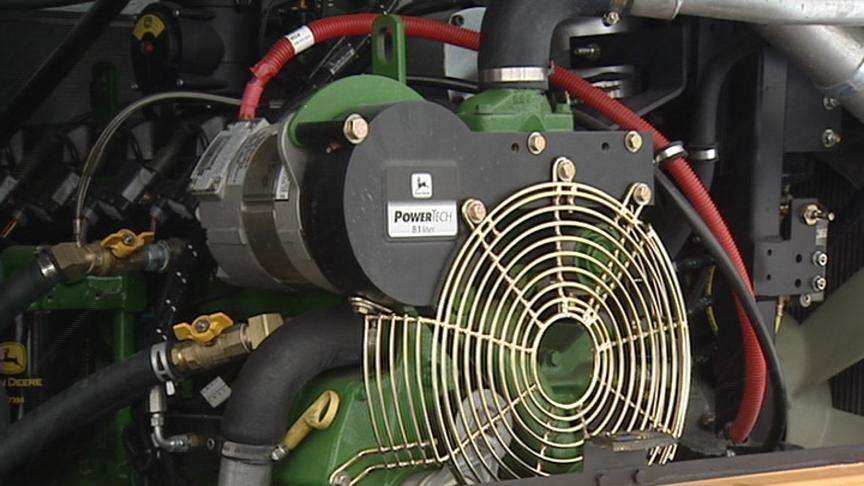
More than 2,400 buses pull in and out of school grounds every day. Many are diesel, burping out 50 percent or more pollution than newer models.
Diesel pollutants pool behind the buses, often drawn inside the building or where kids sit, especially at the rear of the bus. "For example, if a bus is parked in front of another bus, the exhaust could be coming very close to the front door of the bus behind," explains Martin.
Children are simply more vulnerable to pollution. They breathe at a faster rate than an adult, and based on a rate per pound of body weight, they can inhale 60 percent more pollution than an adult.
Cutting back school bus idling across the country by just one minute, both to and from school, every day would reduce emissions by 319 tons of carbon monoxide, 8.3 tons of small toxic particulates, and 41 tons of volatile organic compounds.
Combine this with new preheaters that don't require idling, new-generation diesel engines and natural gas buses like the 44 Jordan District has in its fleet, and everybody will breathe a little easier!
Again, school bus drivers are taking the incentive to modify driving techniques on their own. The State Office of Education will soon be adopting standards for all schools across the state.