- Salt Lake City is considering a code change to allow some artificial turf in front yards.
- City Council members expressed concerns over environmental impacts and confusion.
- A public hearing on the proposal was tentatively set for July 14, but could be pushed back.
SALT LAKE CITY — Artificial turf is a tricky subject, especially in Utah's capital city.
Salt Lake City has banned residents from installing fake grass since the 1990s, but that only applies to front yards.
Amid a growing demand and plenty of cases of miscommunication, Salt Lake City is considering a proposed text amendment that would open the door for some uses of artificial turf within front yards. However, the way it's currently worded appears to have struck a nerve with city leaders.
"I feel like we're backtracking compared to what we're looking for in the prior discussion," said Salt Lake City Councilman Dan Dugan, after the City Council was briefed on the proposal on Tuesday.
Artificial turf in Salt Lake City
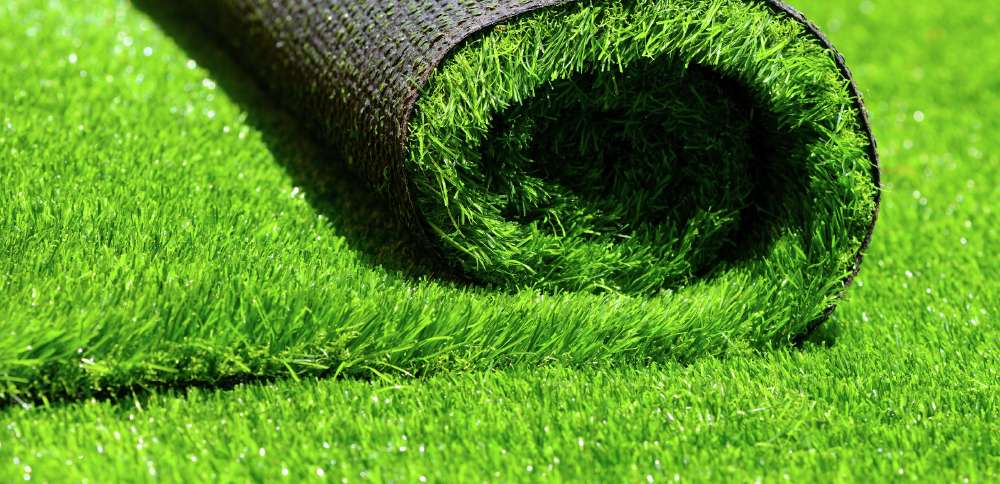
Artificial turf has plenty of advantages, especially for a dry state like Utah. It reduces water consumption while also cutting out the need for pesticides and other chemicals in lawn treatment, and creates less maintenance needs over time.
It also has many drawbacks, ranging from cost to several environmental concerns. These include hazardous organic chemicals, toxic metals, carcinogens and microplastics running off into water systems to increased urban heat island effect, as turf temperatures are usually many degrees warmer than natural grass.
It's currently allowed in rear and side yards in Salt Lake City, where there's no city jurisdiction, but city leaders asked city planners to review artificial turf use last year amid an uptick in people converting their lawns to it, which raised some concerns and confusion.
Salt Lake City resident Tony Hughes shared his story with KSL in 2024, saying he paid $11,000 to convert his lawn to artificial grass because it was easier to maintain his lawn while in his wheelchair. He was quickly struck with a $25 per day fine every day his turf remained in place, unaware of the city's code.
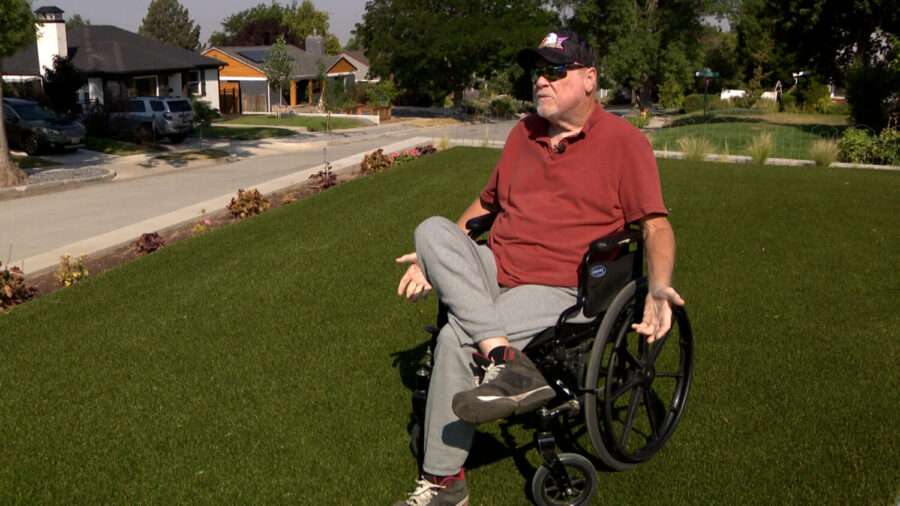
City officials said at the time that they were willing to allow Hughes to apply for an Americans with Disabilities Act accommodation, and the company that installed it also offered to replace it with a compliant surface free of charge. Stories like these led to the review.
The text amendment aimed to clarify some limited front-yard usage.
"It's not really the city promoting it or supporting the aesthetic integrity of artificial turf, it's really just providing that ability for those who want to install it and to do that in a limited way," said Tammy Hunsaker, director of Salt Lake City's Department of Community and Neighborhoods.
What the city is considering
Salt Lake City's proposal would allow for artificial turf to be used in front and corner side yards while keeping a requirement that at least 33% of a landscape contains live vegetation like shrubs, flowers or tree canopy.
Artificial turf would remain banned in park strips because of storm runoff concerns, and there would be provisions to protect tree root systems and water permeability, said Michaela Bell, deputy director of Salt Lake City's planning division.
The proposal would also shake up other landscaping requirements, mostly lining its requirements up with recent changes to state code, she added.
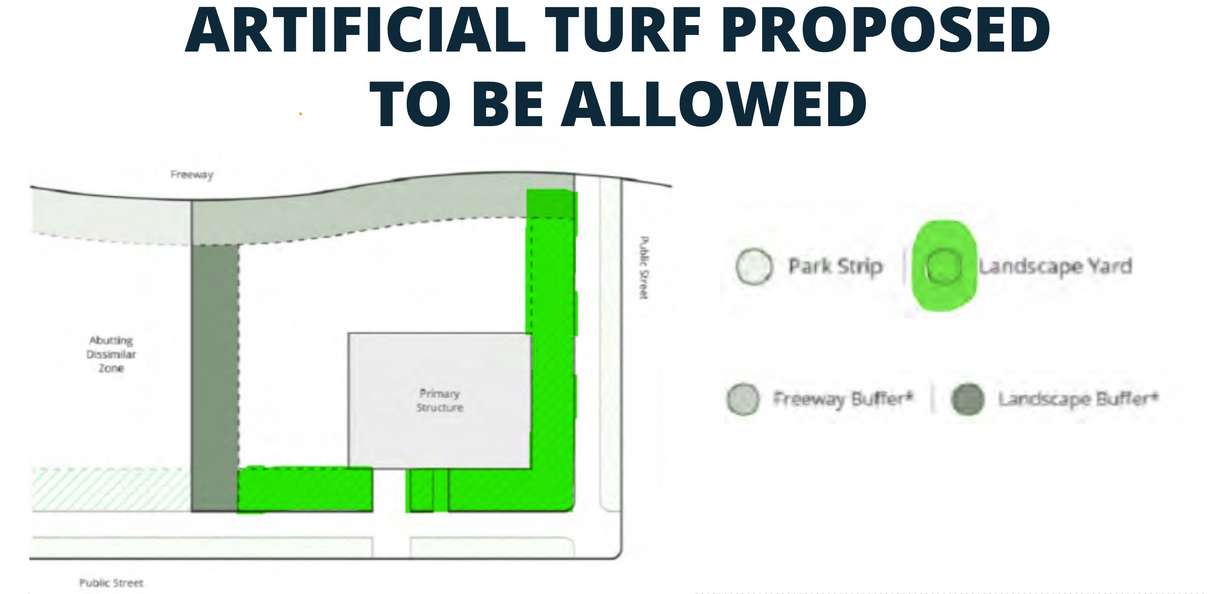
It was part of a citywide discussion with the city's sustainability and public utilities departments to clarify the rules, Hunsaker explained, adding that the preference among experts is banning turf, but they know there's a deep interest among many residents.
"It is really trying to take a balanced approach with what the community wants and the sustainability and water utilization aspects of landscaping," she said.
Pushing pause?
While the Salt Lake City planning division recommends that the City Council adopt the proposal, saying it believes the proposal was written to "mitigate the disadvantages" of artificial turf, the Salt Lake City Planning Commission wasn't sold.
The commission voted unanimously in February to give the proposal a negative recommendation, citing concerns over the urban heat island effect and increased water pollution, along with decreased water permeability, among other things.
Members of the City Council appeared equally skeptical of the proposal on Tuesday, asserting that there appears to be a disconnect between the project's original intentions and what's being proposed.
Many residents have complained about heat damage and other "negative implications" from artificial turf that the Salt Lake City School District has implemented in recent years, said Councilwoman Sarah Young. That's on top of other installations people have made in Sugar House, the neighborhood she represents, creating similar challenges.
"I will say, personally, it is so frustrating to see this," she said.
She was not alone in her concerns. Others said the many requirements to allow turf in a front yard could lead to wider confusion over the rules or an increase in people skirting the rules, such as companies advertising that it's legal across a full yard.
They said the potential risks are high for an ornamental object.
The proposal is still to be determined. A public hearing on the proposed code amendment was tentatively slated for July 14, before any consideration, but Salt Lake City Council Chairman Alejandro Puy said he favored pushing the hearing date back while the city reviews current concerns.