- Amid intense debate about Box Elder County data center plans, Utah Gov. Spencer Cox offered assuring words about protecting the Great Salt Lake.
- Critics worry about the water the project would use and its potential impact on lake water levels.
- Cox reinserted himself into the intense debate via a lengthy social media post.
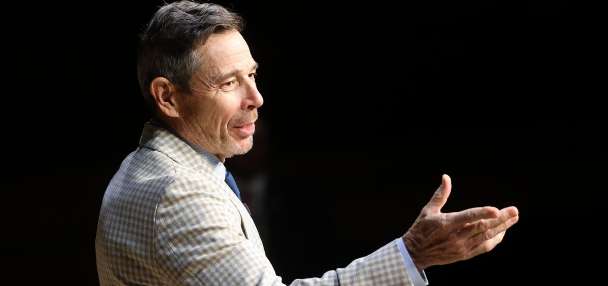
SALT LAKE CITY — After a week of intense debate over the Box Elder County data center proposal, Utah Gov. Spencer Cox jumped back into the discussion, offering assuring words about protecting the Great Salt Lake.
"In accordance with state law, I am directing the Utah Department of Natural Resources to ensure that the most environmentally sensitive cooling technology is used to ensure that our water and the Great Salt Lake are protected," he said in a message thread posted on Friday to X. Water used for the project "must be reported publicly, and in no event will the developer reduce water going to the Great Salt Lake."
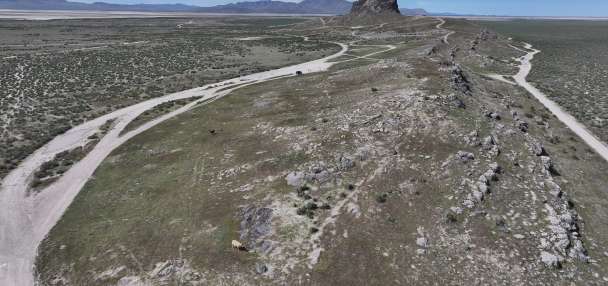
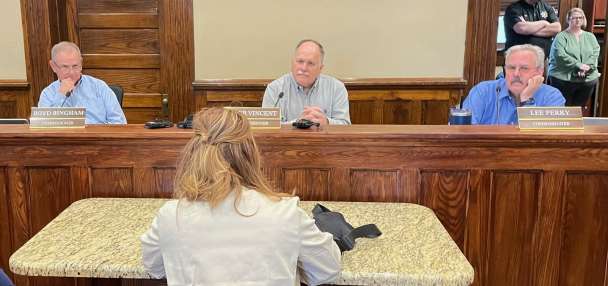
Box Elder County commissioners on Monday signed off on the proposal, the Stratos Project Area, despite strong opposition from many. Plans call for a massive data center complex spread across 40,000 acres of undeveloped Box Elder County land and up to 9 gigawatts of power-generating capacity to serve it. Proponents say the data centers, to be used by the military, would be key to national defense while critics have worried about the water required to run it and the resulting impact on the environment, particularly the Great Sale Lake.
Cox last week voiced support for the plans and a measure of impatience toward naysayers and others who worry project plans, which came to broad public light late last month, are unfolding too quickly. He struck a more conciliatory tone in his message Friday amid intense backlash from project critics, acknowledging the concerns raised by some about the project's potential impact on water, air quality and more.
I've heard from a lot of Utahns over the past week about the proposed data center project in Box Elder County. Many are asking questions about water, air quality, energy, land use, and the long-term impact on rural Utah. Those are real concerns, and all Utahns should expect clear… pic.twitter.com/UIpZRParUs
— Governor Cox (@GovCox) May 8, 2026
"Those are real concerns, and all Utahns should expect clear standards and accountability," he wrote.
Celebrity businessman Kevin Leary and O'Leary Digital are the moving forces behind the project, working with Utah's Military Installation Development Authority, a state entity that promotes economic development initiatives linked to the military.
Cox remains a supporter of the project, however, though he outlined several directives the state will follow to keep tabs on project development and other guidelines that will apply to the initiative:
- The first phase of power-producing infrastructure won't exceed 1.5 gigawatts. Approvals for future stages will be contingent on compliance with metrics set out for the first phase.
- Project proponents have already said they plan to use advanced cooling technology that uses minimal water, and Cox's statement said the Department of Natural Resources will make sure of that given worries about Great Salt Lake water levels. Cox asked the developer to make public a water plan that shows state water officials "that no degradation occurs to the Great Salt Lake."
- O'Leary Digital has committed to a mixed energy portfolio in developing the power-producing capacity at the site, including renewable power, nuclear power or other low- or no-emissions alternatives. Those involved have already said they plan to use natural gas.
Cox stressed the regulatory authority of several state agencies that will have oversight power, including the Utah Public Service Commission and the Utah Department of Environmental Quality.
"This is just the beginning of a multi-step process in collaboration with Box Elder County and stakeholders across Utah. Development is expected to occur in phases over multiple years, with further planning, infrastructure coordination, state regulatory permitting processes and community engagement," reads a response his office created to questions asked about the project.
The frequently-asked-questions page also said most of the 40,000 acres where the project is to be built will remain undeveloped. Most of the unused land "will remain as open space, allowing for wildlife corridors, continued grazing and significant distance from the Great Salt Lake," it reads.
Still, backlash has been intense to the project. Some are pursuing efforts to rescind the two resolutions Box Elder County commissioners approved on Monday related to the project. Nearly 4,000 people filed formal protests against a request to earmark 1,900-acre feet in water rights for the project, since withdrawn though it'll likely be resubmitted.
Salt Lake City Mayor Erin Mendenhall addressed the issue at an editorial board meeting with Deseret News and KSL this week. She's leery of placing such a large data center in Utah given the dry conditions here and the water such facilities can require.
"I am not a water expert on all of the drainage systems in Utah, but I don't know of any place in Utah that has too much water. I do know of parts of the country who do feel they have too much water. Those seem like good locations to look at," she said. She's visited other places "where the mayors and cities are talking about abundance of water, economic willingness and land for development."
Contributing: Carter Williams

Related stories
Most recent Environment stories
Related topics
 Tim Vandenack