'%3e%3cpath%20d='M34.1406%205.85938C30.3906%202.10547%2025.3047%200%2020%200C14.6953%200%209.60938%202.10547%205.85938%205.85938C2.10938%209.61328%200%2014.6953%200%2020C0%2025.3047%202.10547%2030.3906%205.85938%2034.1406C9.61328%2037.8906%2014.6953%2040%2020%2040C25.3047%2040%2030.3906%2037.8945%2034.1406%2034.1406C37.8906%2030.3906%2040%2025.3047%2040%2020C40%2014.6953%2037.8945%209.60938%2034.1406%205.85938ZM37.0117%2023.543H31.1602V13.5391H27.6328V19.9414C28.1211%2020.6914%2028.3711%2021.582%2028.3711%2022.5625V22.625C28.3711%2023.668%2028.1172%2024.6055%2027.6328%2025.4297V26.6094H36.082C33.4883%2032.9375%2027.2891%2037.3789%2020.0039%2037.3789C10.3711%2037.3789%202.62109%2029.6289%202.62109%2020C2.62109%2010.3711%2010.3711%202.62109%2020%202.62109C29.6289%202.62109%2037.3789%2010.3711%2037.3789%2020C37.3789%2021.1484%2037.2617%2022.2656%2037.0508%2023.3477C37.0391%2023.4141%2037.0234%2023.4766%2037.0117%2023.543Z'%20fill='white'/%3e%3cpath%20d='M22.3086%2018.5352C20.4336%2018.125%2019.9531%2017.8398%2019.9766%2017.1836V17.1406C19.9766%2016.6992%2020.3477%2016.2148%2021.4023%2016.2148C22.582%2016.2148%2023.8867%2016.6797%2025.0781%2017.4766L26.8516%2015.0195C25.4453%2013.8906%2023.707%2013.3398%2021.5547%2013.3398C18.5195%2013.3398%2016.4375%2015%2016.4063%2017.4766V17.5352C16.3633%2020.2617%2018.5859%2020.9805%2021.293%2021.6016C23.0391%2021.9766%2023.5703%2022.3164%2023.5703%2022.9609L23.5469%2022.9766C23.5469%2023.3906%2023.2578%2023.7031%2022.7852%2023.8359C22.5742%2023.9062%2022.1289%2023.9727%2021.5156%2023.9727C20.7617%2023.9727%2019.7539%2023.8633%2018.6328%2023.4844C18.0898%2023.2891%2017.4727%2023.0039%2016.8047%2022.6133L20.1406%2026.625C20.2813%2026.6602%2021.0977%2026.8516%2021.7734%2026.8516C25.0039%2026.8516%2027.0859%2025.2461%2027.1094%2022.6328V22.5703C27.1602%2020.1133%2025.2148%2019.1719%2022.3086%2018.5352Z'%20fill='white'/%3e%3cpath%20d='M5.24219%2013.5664V26.6133H8.75391V23.7578L10.2969%2021.9531L14.2031%2026.6133H18.3867L12.3555%2019.5195L17.4023%2013.5664H13.4531L8.75391%2019.0586V13.5664H5.24219Z'%20fill='white'/%3e%3c/g%3e%3cdefs%3e%3cclipPath%20id='clip0_97_2430'%3e%3crect%20width='40'%20height='40'%20fill='white'/%3e%3c/clipPath%3e%3c/defs%3e%3c/svg%3e)




Estimated read time: 5-6 minutes
- KOA's CEO Toby O'Rourke highlights camping's unique ability to foster connections.
- KOA's report shows a 24% increase in camping households since 2019.
- Economic factors and time constraints limit camping frequency despite its growing popularity.
SALT LAKE CITY — By mid-June of this year, Toby O'Rourke had gotten herself into a little trouble with her kids because she had not yet taken them camping.
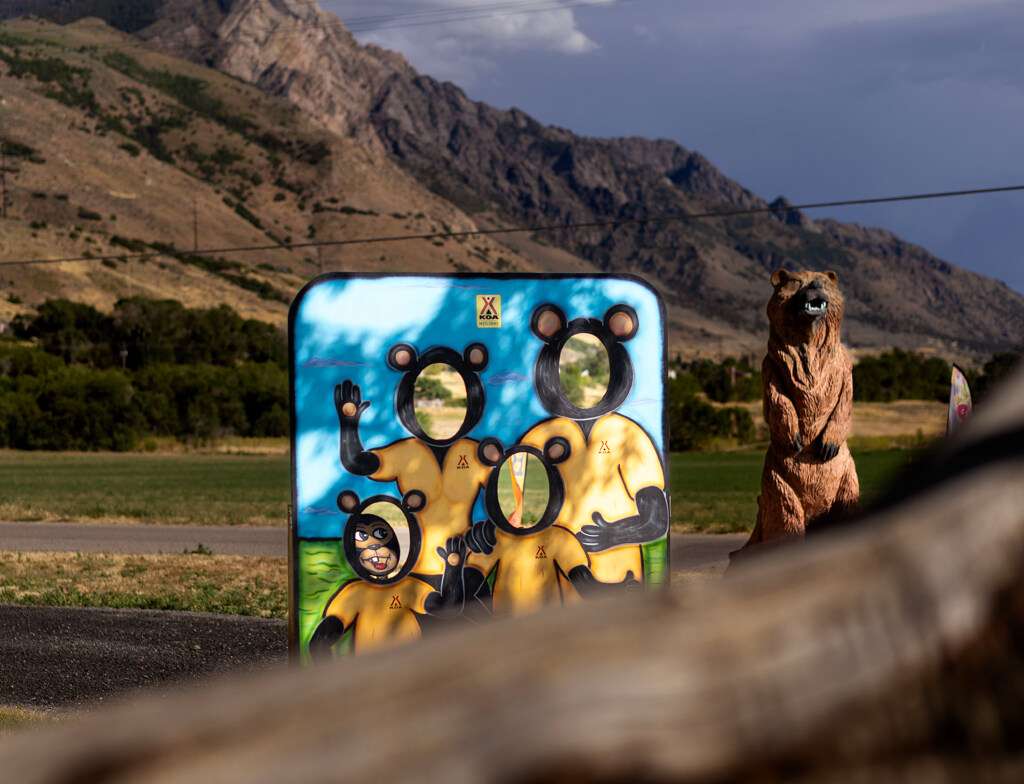
She's the CEO of KOA, the iconic, yellow-logoed "Kampgrounds of America," which has more than 500 locations across the U.S. and Canada. Sometimes her responsibilities get in the way of the foundational reason the company exists: to connect people with the outdoors and with each other.
"The connection that happens on campgrounds is really special and unique," O'Rourke said. "And it's not replicated many places anymore."
It's a sense shared by the 52 million households who chose to camp last year. That's a figure 24% higher than it was in 2019, before the pandemic sent record-high numbers of folks to the outdoors. Some 60% of families believe camping offers a better chance to connect with one another than other forms of travel and about 80% said they feel more engaged and present with their children, or less distracted, when they're camping.
Those findings are just a few pulled from the data that KOA has collected and cataloged about North American camping habits for more than 20 years. KOA published findings from the last 12 years in the annual "Camping & Outdoor Hospitality Report."
The nearly 60-page booklet covers everything from basic visitation numbers and current camping trends through demographic differences and includes more modern considerations like technology's influence and nature's implications for health.
While those alone could offer a clear glimpse into the world of North American camping, the data doesn't stop there. The stats include figures about the outdoor recreation economy, the broader camping community and specific insight into the relationship between camping and family values.
"There's just such a special thing about a campground. You go there, and you talk to your neighbors, and your kids run off to the playground and play together and you don't worry about them," O'Rourke said.
"I wouldn't let my kids do that in a hotel, and I certainly wouldn't be having someone stop by and tour my hotel room like people peek in and look at your RV."
Some of O'Rourke's reasons for not getting her family camping — they live in Billings, Montana, where the brand was founded and is now based — are also found in the data. It turns out that finding the time is hard for everyone, not just CEOs.
But among so much information, it's hard for O'Rourke to pinpoint what is the most salient — they're all relevant in some way. Some she appreciates more as a mom and others as a business leader, but she said the mounting evidence about nature's health impact and the connections it can foster are particularly exciting.
"It's a really unique thing I think that exists," she said about the way strangers tend to engage with one another while camping. "I don't really know how to bottle that and sell it, but that's what we try to do."
What else is in the data?
The report summarizes "the most compelling" elements from this year's report as those that show how the camping industry is adapting "to meet diverse needs," with more glamping, accessible campsites and pet-friendly options.
O'Rourke said one of the things she likes most about camping is that there are so many different, diverse ways to do it. Backcountry camping, RV camping, Hip-camping — a platform that offers private land to people looking to camp — and, of course, camping at a KOA.
"We totally understand we just represent a segment of people who want to camp at a place like KOA," she said. "But we're all about ... getting as many people outside as possible, and that just grows the whole pool of campers for everybody. I think that's what's special, right?"
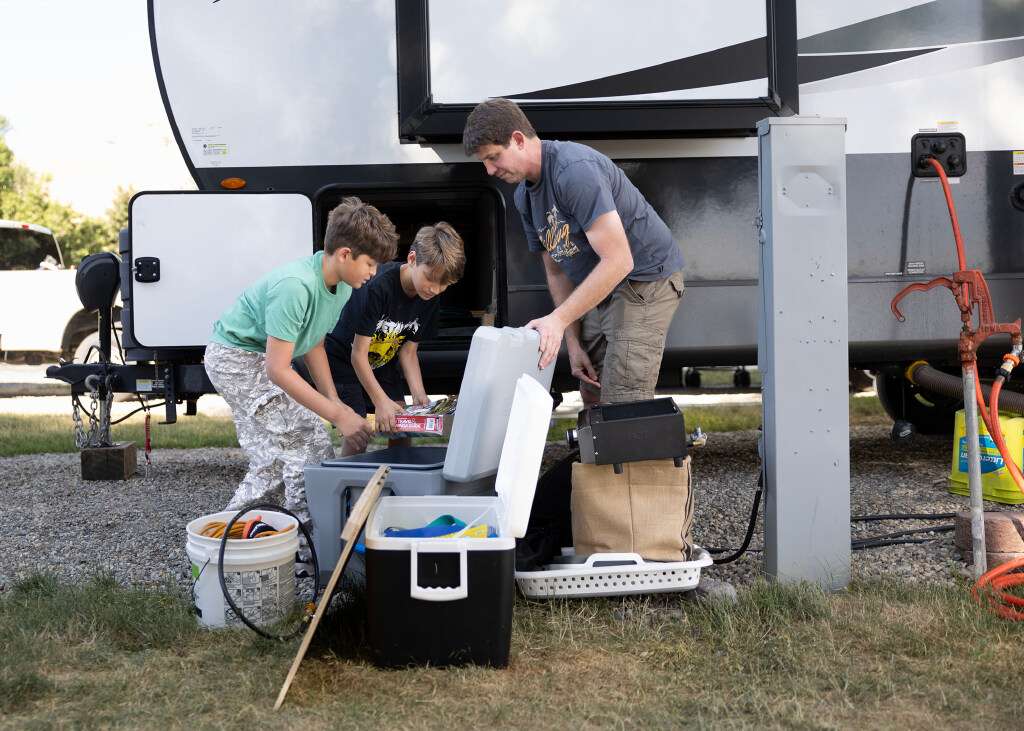
But the report's summary also mirrored O'Rourke's points: Campers are motivated to "seek wellness through unstructured time in nature, authentic third-place community and meaningful connection — values that camping uniquely fills."
The scale of campers is impressive. While numbers did spike during the pandemic, it appears those new campers are sticking around. It's no longer a niche, but rather a mainstream American pastime.
One major difference, though, is that while campers used to go out several times a year, as many as 47% in the past, now the majority camp just once a year.
That can be chalked up to a lot of factors, O'Rourke said, but economics and time likely play primary roles.
"Ahead of the pandemic, we saw people camping more frequently than we do now, and I think that's very much driven by the K-shaped economy we're in," O'Rourke said, referring to the phenomenon where one segment of people are thriving financially while the other — in the current iteration, the vast majority — languishes.
"Now, there are certain segments that are traveling more, spending more. There are others that are more financially constrained, that are making tougher decisions about how they spend their money, maybe only taking one trip a year versus three."
As for time, many folks likely identify with that assessment. Between shorter summer breaks from school and people's busy lives, camping's less of a priority.
"We would love to be camping a few weekends this summer. Everything seems to get eaten up with kids' activities or my work schedule," O'Rourke said. "I'm already in trouble because we haven't been camping and we just haven't had time to yet. You know, time is such a scarce resource for people."