'%3e%3cpath%20d='M34.1406%205.85938C30.3906%202.10547%2025.3047%200%2020%200C14.6953%200%209.60938%202.10547%205.85938%205.85938C2.10938%209.61328%200%2014.6953%200%2020C0%2025.3047%202.10547%2030.3906%205.85938%2034.1406C9.61328%2037.8906%2014.6953%2040%2020%2040C25.3047%2040%2030.3906%2037.8945%2034.1406%2034.1406C37.8906%2030.3906%2040%2025.3047%2040%2020C40%2014.6953%2037.8945%209.60938%2034.1406%205.85938ZM37.0117%2023.543H31.1602V13.5391H27.6328V19.9414C28.1211%2020.6914%2028.3711%2021.582%2028.3711%2022.5625V22.625C28.3711%2023.668%2028.1172%2024.6055%2027.6328%2025.4297V26.6094H36.082C33.4883%2032.9375%2027.2891%2037.3789%2020.0039%2037.3789C10.3711%2037.3789%202.62109%2029.6289%202.62109%2020C2.62109%2010.3711%2010.3711%202.62109%2020%202.62109C29.6289%202.62109%2037.3789%2010.3711%2037.3789%2020C37.3789%2021.1484%2037.2617%2022.2656%2037.0508%2023.3477C37.0391%2023.4141%2037.0234%2023.4766%2037.0117%2023.543Z'%20fill='white'/%3e%3cpath%20d='M22.3086%2018.5352C20.4336%2018.125%2019.9531%2017.8398%2019.9766%2017.1836V17.1406C19.9766%2016.6992%2020.3477%2016.2148%2021.4023%2016.2148C22.582%2016.2148%2023.8867%2016.6797%2025.0781%2017.4766L26.8516%2015.0195C25.4453%2013.8906%2023.707%2013.3398%2021.5547%2013.3398C18.5195%2013.3398%2016.4375%2015%2016.4063%2017.4766V17.5352C16.3633%2020.2617%2018.5859%2020.9805%2021.293%2021.6016C23.0391%2021.9766%2023.5703%2022.3164%2023.5703%2022.9609L23.5469%2022.9766C23.5469%2023.3906%2023.2578%2023.7031%2022.7852%2023.8359C22.5742%2023.9062%2022.1289%2023.9727%2021.5156%2023.9727C20.7617%2023.9727%2019.7539%2023.8633%2018.6328%2023.4844C18.0898%2023.2891%2017.4727%2023.0039%2016.8047%2022.6133L20.1406%2026.625C20.2813%2026.6602%2021.0977%2026.8516%2021.7734%2026.8516C25.0039%2026.8516%2027.0859%2025.2461%2027.1094%2022.6328V22.5703C27.1602%2020.1133%2025.2148%2019.1719%2022.3086%2018.5352Z'%20fill='white'/%3e%3cpath%20d='M5.24219%2013.5664V26.6133H8.75391V23.7578L10.2969%2021.9531L14.2031%2026.6133H18.3867L12.3555%2019.5195L17.4023%2013.5664H13.4531L8.75391%2019.0586V13.5664H5.24219Z'%20fill='white'/%3e%3c/g%3e%3cdefs%3e%3cclipPath%20id='clip0_97_2430'%3e%3crect%20width='40'%20height='40'%20fill='white'/%3e%3c/clipPath%3e%3c/defs%3e%3c/svg%3e)


Estimated read time: 2-3 minutes
This archived news story is available only for your personal, non-commercial use. Information in the story may be outdated or superseded by additional information. Reading or replaying the story in its archived form does not constitute a republication of the story.
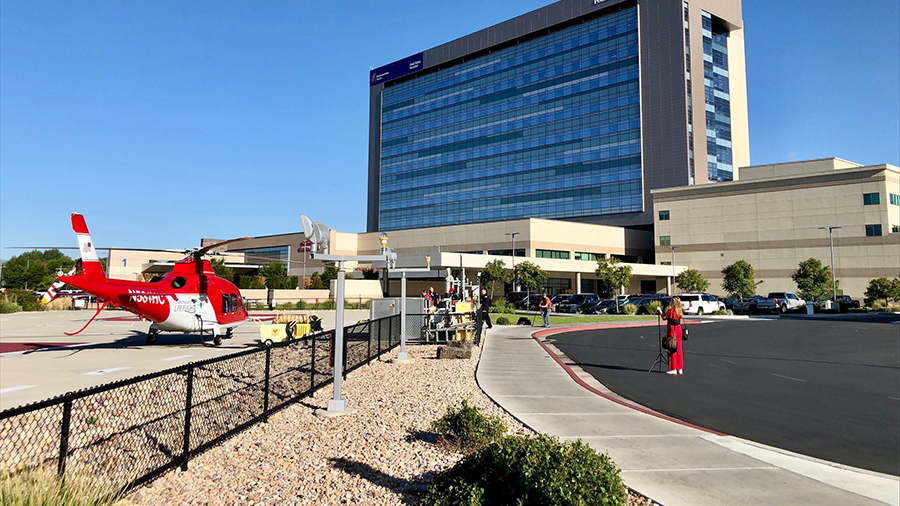
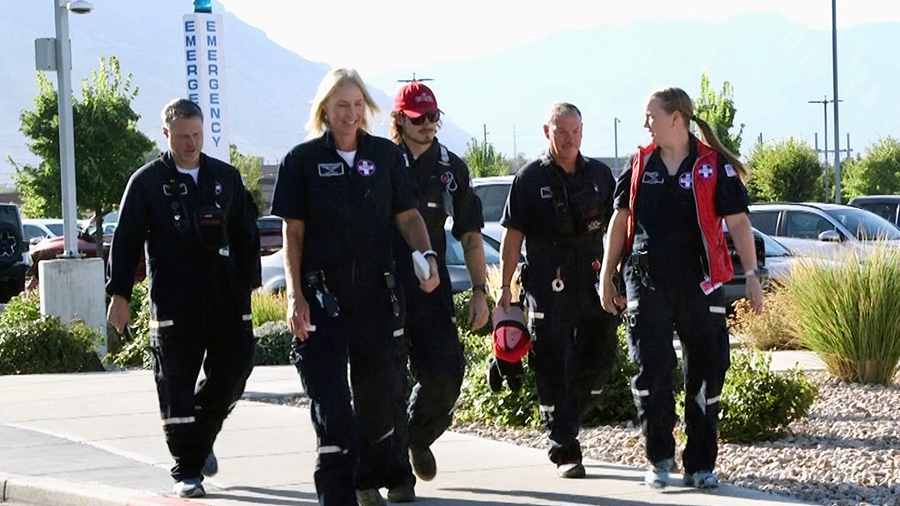
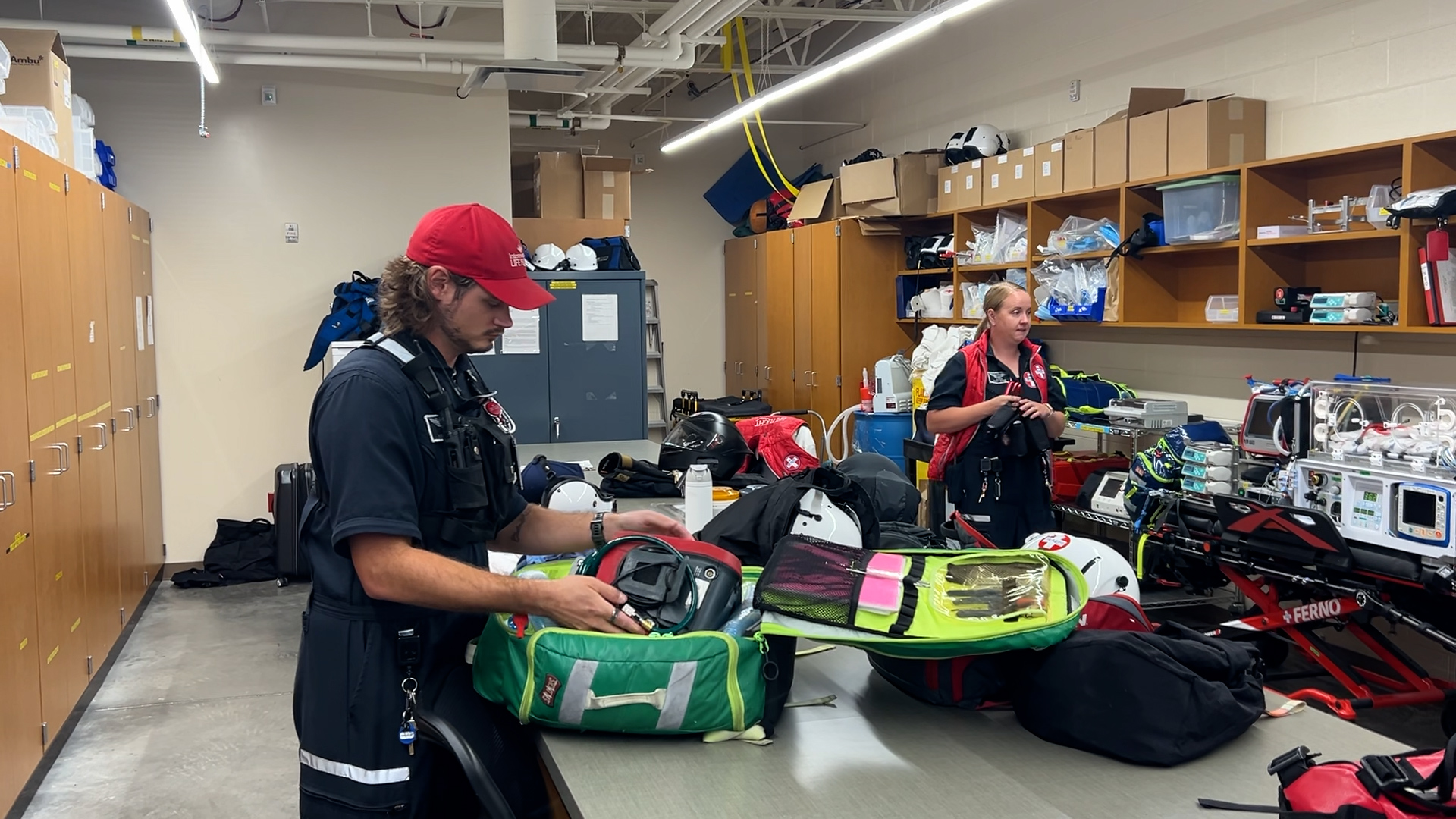
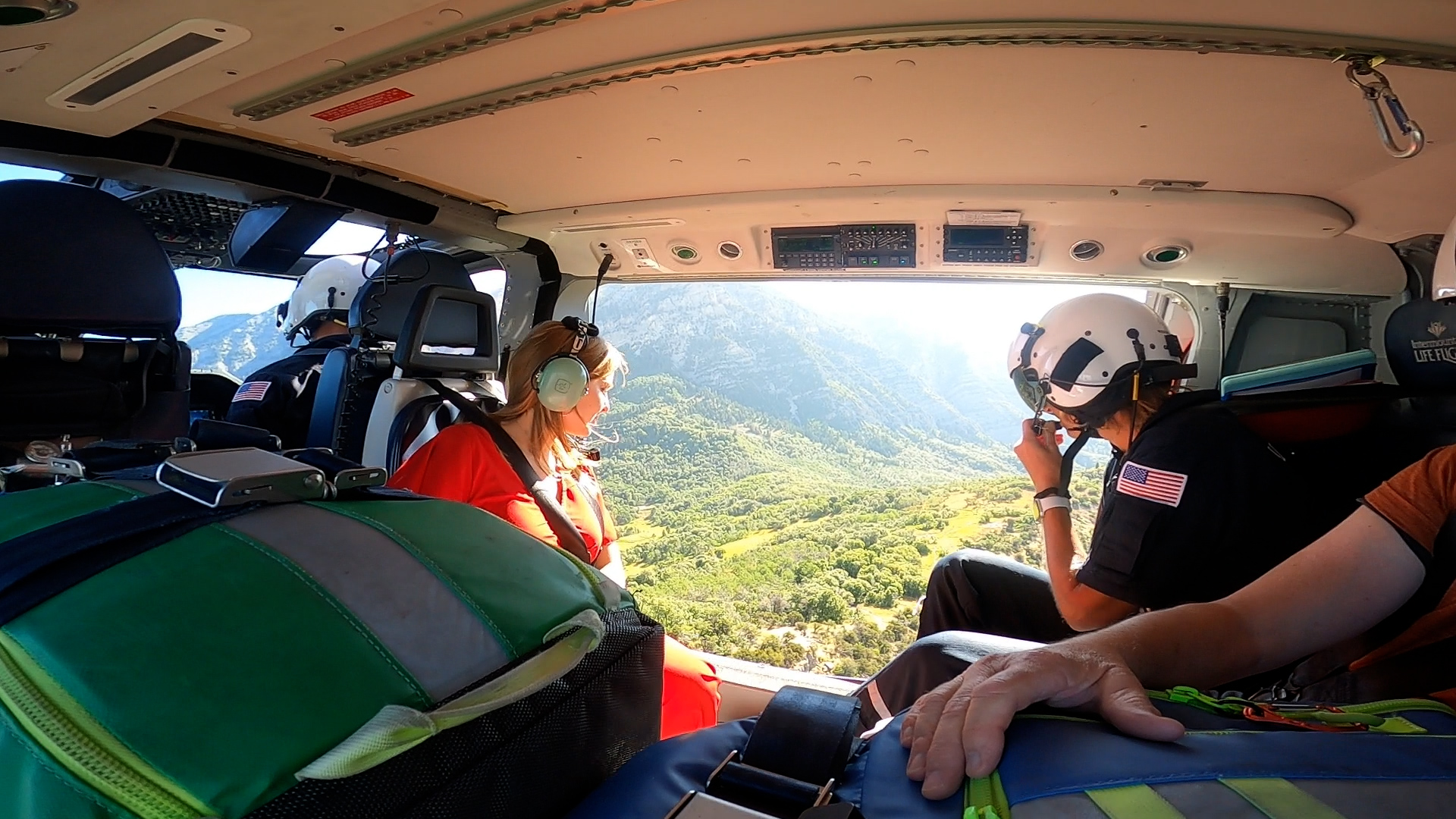
PROVO — When that call for help comes, Intermountain Life Flight emergency responders must be ready. "You can't let your guard down; you're waiting on that alarm to go off," said pilot Chris Grooms. For more than 45 years, Intermountain Life Flight has performed daring rescues and transported more than 123,000 patients to hospitals.Its fleet includes helicopters, fixed-wing aircrafts, and ground ambulances. Life Flight's 300 caregivers, including pilots, flight nurses, paramedics, mechanics, and dispatchers are always on standby, prepared to help in any emergency. "You just never know what's going to happen when you come on shift," said neonatal flight nurse Sarah Syphrett. Syphrett and Grooms are part of the Life Flight team at Utah Valley Hospital. They start each day by thoroughly checking the chopper and other equipment. "It's essentially a flying ICU," Grooms said. "Everything happens in this small, contained space, and everything's got to be in a perfect order, ready to go."Life Flight pilots are trained to fly in various challenging conditions, like in bad weather and at night. "You're trying to do everything as quickly as you can and as safely as you can," Grooms said. The team said they average two calls per 12-hour shift, never knowing what they'll encounter next. But one thing is certain — time is of the essence. "Our goal is to be wheels up in five minutes," said flight paramedic Kevin Kemp.They respond to a wide range of calls, including four-wheeler accidents, horseback accidents, hiking or rock-climbing accidents, snowmobile crashes, and sledding accidents. "We do hoist rescues in the backcountry," said flight nurse Laura Whisenanat. Intermountain Life Flight is the country's only civilian air rescue service licensed to perform hoist rescue operations. "We have great days, and we have days that are kind of unimaginable," Kemp said. "We spend a lot of time just talking about everything and debriefing flights," Grooms added.The Life Flight crew is thrown into intense situations, helping others through their worst days. "That's what I love about this job is that we get to show them how much we can care for them and make their life better in a really bad situation," said pediatric flight nurse Joe Getty. The team said they wouldn't trade it for the world. "You just get put in these crazy, unique environments to try and help somebody, and that's super rewarding," Kemp said. For more information on Intermountain Life Flight, visit its website.

Most recent Your Life - Your Health stories
Related topics
 Emma Benson