Estimated read time: 5-6 minutes
Crowded lecture halls, dense textbooks and years of rigid, training: That's medical school in a nutshell. But as healthcare changes and evolves, so does medical education and training.
Across the country, a new generation of medical schools is rethinking how doctors are trained — blending technology, accessibility and human-centered care into a more modern approach. For example, at Noorda College of Osteopathic Medicine, innovation is reshaping what it means to prepare physicians for the future.
The timing of this transformation is significant; According to the Association of American Medical Colleges, the United States could face a physician shortage of up to 86,000 doctors by 2036, underscoring the need for more effective and accessible medical training pathways.
A tech-forward approach to training doctors
Modern medicine is increasingly driven by technology — and today's medical schools are making sure students are ready.
At Noorda, students are immersed in tools that were once considered cutting-edge but are quickly becoming standard. Portable ultrasound devices allow future physicians to visualize internal organs in real-time, while high-fidelity simulation labs replicate complex medical scenarios using responsive mannequins.
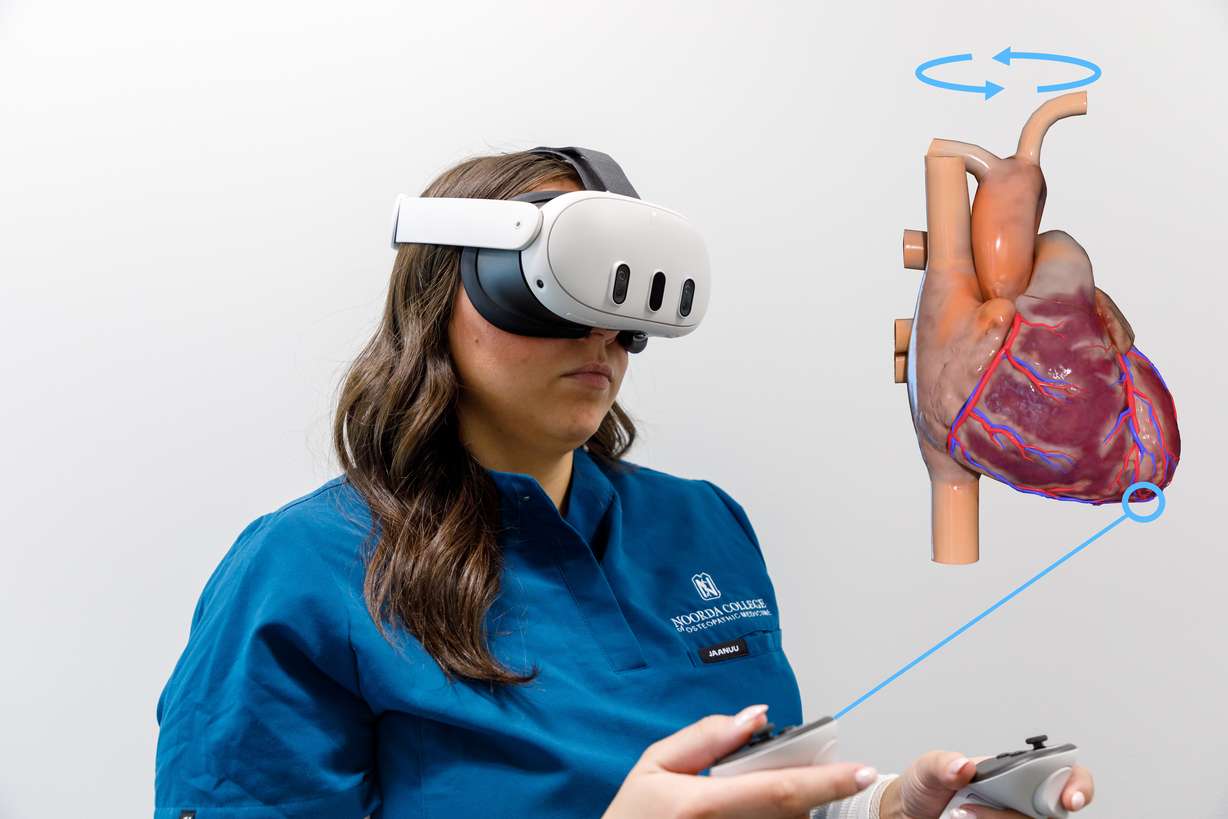
Students also use augmented reality to explore anatomy in three dimensions, offering a deeper and more interactive understanding of the human body than traditional textbooks alone can provide. These innovations are not just about convenience; they are about building confidence and competence before students ever treat real patients.
Artificial intelligence is another growing focus. As AI becomes more integrated into healthcare — from imaging analysis to clinical documentation — students are learning how to interpret and work alongside these tools.
The goal is not to replace human judgment, but to enhance it, equipping physicians with technology that allows them to spend more time focusing on patient care.
Expanding access to care
Another defining shift in modern medical education is the emphasis on accessibility — both in how care is delivered and who can receive it.
Medical schools like Noorda are training students to think beyond the walls of hospitals and clinics. Wearable health technology, for example, is enabling continuous monitoring of patients, allowing physicians to detect issues earlier and intervene before conditions worsen.
This approach is particularly impactful for rural and underserved communities, where access to healthcare has long been a challenge. By leveraging real-time data and remote monitoring, future physicians are learning how to extend care to populations that might otherwise go without.
According to the Bureau of Health Workforce, more than 100 million Americans live in areas with shortages of primary care providers, highlighting the importance of training doctors to deliver care in innovative and flexible ways.
A more personalized path through medical school
Just as medicine is becoming more personalized, so is medical education.
Traditional models often required students to move through the same curriculum at the same pace. But today's schools are recognizing that students learn differently and bring diverse experiences to their training.
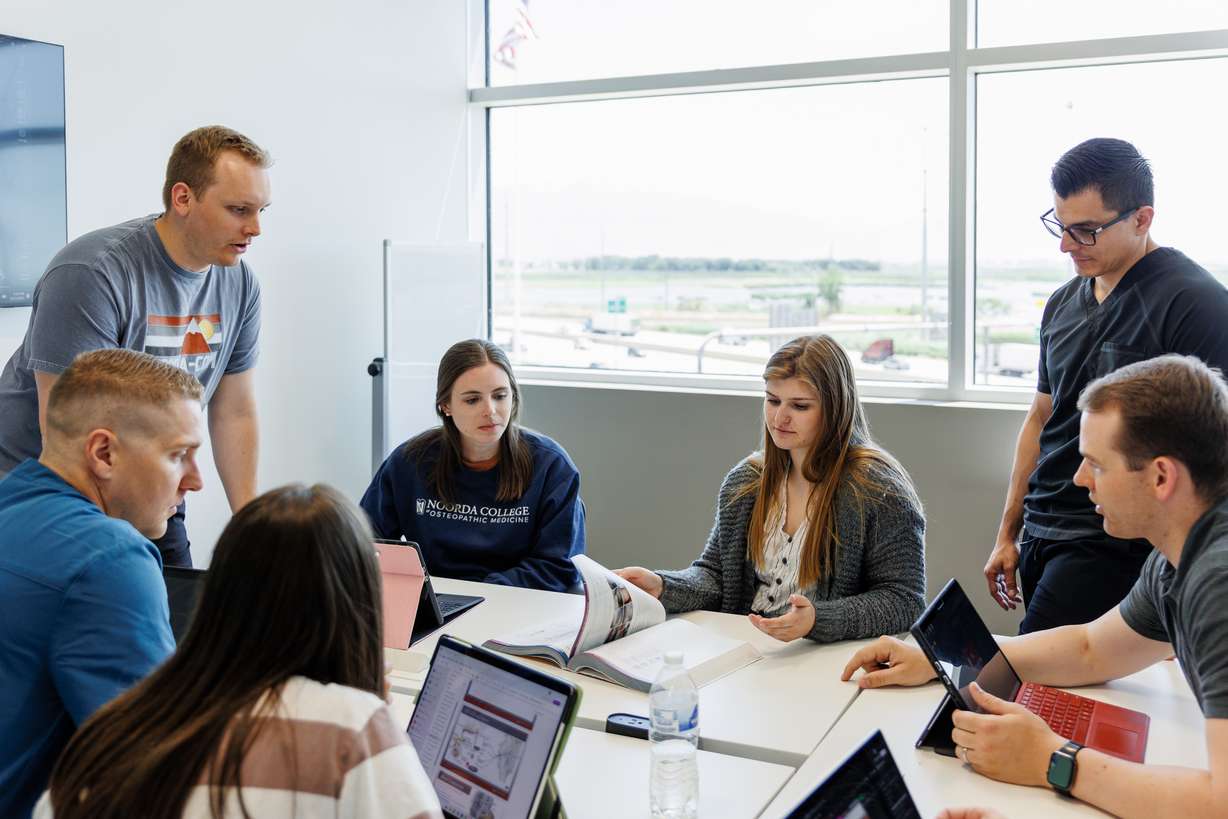
At Noorda, a pod-based learning system allows small groups of students to collaborate while progressing at a pace that suits their individual needs. Recorded lectures provide additional flexibility, enabling students to review material on their own schedule while still having access to faculty support.
Elective opportunities further tailor the experience. Students can explore specialized areas like advanced anatomy or wilderness medicine, while also pursuing focused tracks in rural or global health.
This flexibility is especially valuable for students balancing family responsibilities or other life commitments, helping make medical education more accessible without compromising rigor.

Leading with purpose and service
Today's medical students aren't just pursuing careers — they are pursuing purpose.
Many enter the field with a desire to serve communities and address broader health challenges. In response, modern medical schools are placing greater emphasis on early, hands-on experiences that connect students with real patients from the beginning of their training.
At Noorda, students participate in community outreach programs, volunteer clinics and health fairs, gaining exposure to diverse populations and healthcare settings. Clinical rotations span both urban and rural environments, offering a comprehensive view of the healthcare system.
These experiences help students understand how factors like income, geography and education influence health outcomes — and how physicians can play a role in addressing those disparities.
The result is a new generation of doctors who are not only clinically skilled but also deeply aware of the social determinants of health.
Prioritizing physician well-being
As the demands of healthcare grow, so does awareness around physician burnout — a challenge that has become increasingly urgent in recent years.
In response, medical schools are placing greater emphasis on wellness and mental health, recognizing that a physician's well-being is directly tied to patient care.
At Noorda, this means incorporating stress management, mindfulness and work-life balance into the curriculum from the start.
Students are encouraged to recognize early signs of burnout and to seek support when needed, fostering a culture where mental health is prioritized rather than stigmatized.
This shift reflects a broader understanding that sustainable healthcare begins with healthy providers — and that caring for others starts with caring for oneself.
Preparing for what's next
The changes underway in medical education reflect a broader transformation in healthcare itself. As technology advances, patient needs evolve and access challenges persist, the role of the physician is expanding.
Modern medical schools are responding by preparing students not just to practice medicine, but to shape its future.
By embracing innovation, expanding access, personalizing education, fostering service and prioritizing wellness, institutions like Noorda College of Osteopathic Medicine are redefining how doctors are trained — and what patients can expect from the next generation of care.
In doing so, they are helping ensure that the future of medicine is not only more advanced, but also more accessible, compassionate and human-centered than ever before.