Estimated read time: 6-7 minutes
Utah is rich with history and attractions throughout the state, and visitors from all over the world make the trip to see it. According to the Utah Office of Tourism, more than 13 million people inside and outside of Utah traveled around the Beehive State in 2024.
From national parks to iconic ski resorts, there's plenty to see and do in the Beehive State — and most of them are east of I-15. But there's a wealth of attractions to see west of the freeway as well. Here are a few places worth the drive.
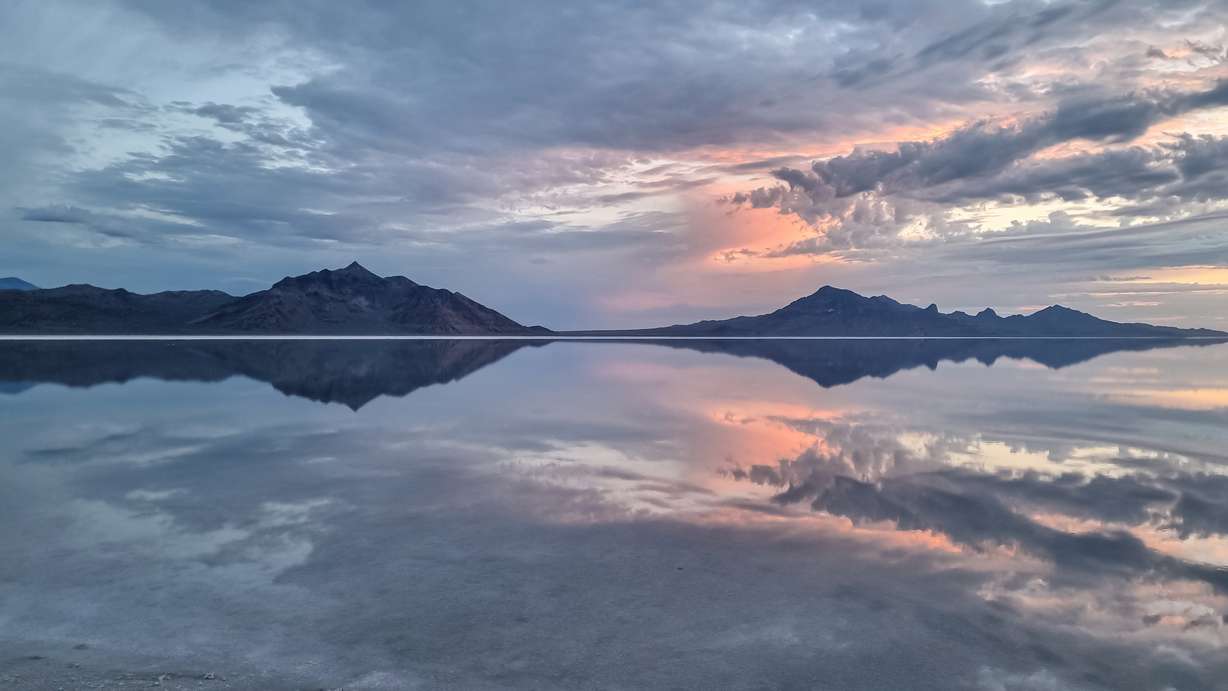
Bonneville Salt Flats
Stretching 12 miles long and five miles wide are the white, expansive Bonneville Salt Flats. According to the Bureau of Land Management (BLM), the flats are made up of table salt. The salt flats are a remnant of Lake Bonneville, which covered much of Utah 10,000-32,000 years ago.
They are open for recreational use nearly year-round, but standing water is possible after rain and snow. It's also best to check the BLM website for exclusive reservations. Car races happen often during the summer months, limiting public use.
Pine Valley Meetinghouse
This little community tucked away in the mountains of southern Utah is home to one of the older buildings still in use in the state. The Pine Valley Chapel, a meetinghouse of The Church of Jesus Christ of Latter-day Saints, was built in 1873. The building was originally used as a community center, schoolroom, and worship space, according to the Church of Jesus Christ of Latter-day Saints.
In the summer, visitors can take a tour of the chapel to learn about the construction and ornamentation techniques the early settlers used to build the chapel.
Tuacahn
No trip to southwestern Utah is complete without a stop at Tuacahn Amphitheatre. Located in Padre Canyon, the amphitheatre features dazzling Broadway shows every year.
The venue is surrounded by 1,500-foot red rock cliffs, setting the stage for larger-than-life performances by local and national actors and performers. According to the Tuacahn Center for the Arts website, shows in the 2026 lineup include, "Les Miserables," "Grease," "Finding Nemo," and "Holiday Inn."
Snow Canyon State Park
Located just west of I-15 near Ivins, Utah is one of the state's best-kept secrets: Snow Canyon State Park. Utah.gov says the park is 7,400 acres of sandstone cliffs and lava flows in a desert environment. You still see the red rock that southern Utah is so famous for, but you'll also get views of swirls of creamy white mixed in.
Based on artifacts found in the canyon, experts estimate people have used the canyon for more than 10,000 years. In more recent history, films like "Butch Cassidy and the Sundance Kid," "The Electric Horseman," and "Jeremiah Johnson" were shot in the park.
Be sure to check out the weather in the park before packing your bag. Most days are mild to hot, depending on the season, but overnight lows can drop below freezing in the winter months.

Foods you only eat if you grew up in Utah
Every region has its own quirky comfort foods, but Utah's list is uniquely local. Whether served at family reunions, church potlucks, or small-town diners, these dishes hold a special place on the tables and in the memories of people who grew up in the Beehive State. While some may seem unfamiliar to outsiders, they're part of everyday life for many longtime Utahns. From fry sauce to funeral potatoes, here are some of the foods that define growing up in Utah.Topaz Internment Camp
A somber place worth visiting in western Utah is the Topaz Internment Camp. According to the BLM, Americans of Japanese ancestry were forced to live in these remote camps during World War II. Though they were never charged or convicted of any crime, these Americans were imprisoned for years.
The Topaz Museum states more than 11,000 people were processed through the camp while it was in use from 1942-1945. Most of the people imprisoned were from the San Francisco Bay area.
The Topaz Camp is located near Delta, Utah. If you plan to visit, it's recommended that you first go to the museum, which is free, and then go to the site of the camp.
Antelope Island
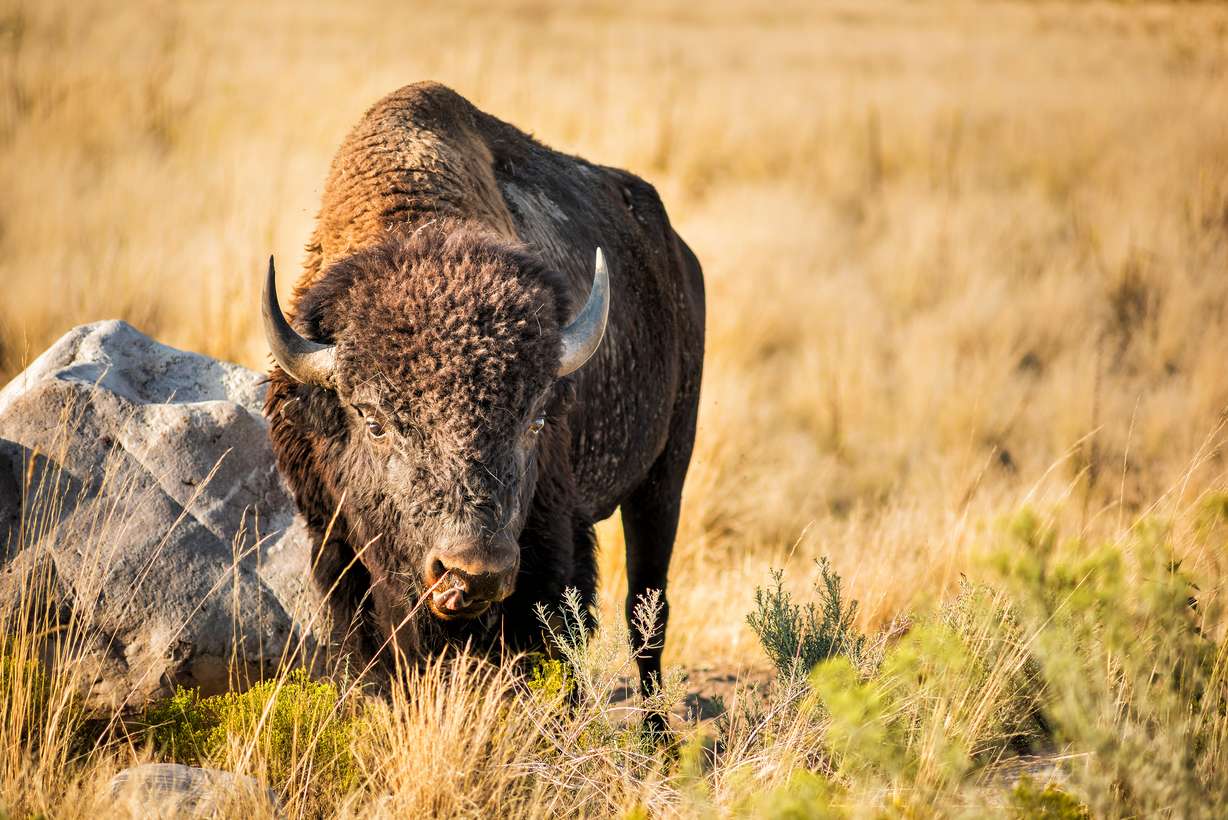
On the west side of I-15 in Davis County sprawls Antelope Island, a state park known for its bison population. Hiking, mountain biking, and horseback riding are among the activities visitors can do on the island. For those who want a scenic view at sunset, there's plenty of land near the water's edge for the perfect social media picture.
According to the State Parks website, the island is home to bison, mule deer, bighorn sheep, antelope, and other desert animals. There's also a massive population of bugs, so bring bug spray or even a head net to avoid bites.
The park is also a certified International Dark Sky Park, so stargazing on summer nights can be particularly beautiful.
Golden Spike National Historical Park
A major part of Utah's history is the completion of the first transcontinental railroad across the United States. Golden Spike National Historical Park is now the site where the railroad connected with a final golden spike in 1869, according to the National Parks website.
Visitors can watch reenactments, explore exhibits, watch an educational show in the theater, eat at one of the picnic areas, check out replica locomotives, and see a 15-mile stretch of the original railroad.
The park visitor center is open Thursday through Monday from 9 a.m. to 5 p.m. in the winter and spring. In the summer, the park is open from 9 a.m. to 5 p.m. daily.
Siegfried & Jensen
Since 1990, Siegfried & Jensen have been helping the people of Utah and surrounding states who have suffered needless injuries and death caused by car accidents, truck accidents, medical malpractice, defective drugs, dog bites, wrongful death, and other types of personal injury.
The firm is committed to keeping Utah families and communities safe by ensuring wrongdoers are held accountable. While a lawsuit isn't always the answer when it is needed, having someone on your side can mean the difference between declaring bankruptcy and rebuilding your life and moving forward, especially when you're up against an insurance company or a hospital.
Siegfried & Jensen has represented more than 35,000 clients and recovered over $1.2 billion for them.