'%3e%3cpath%20d='M34.1406%205.85938C30.3906%202.10547%2025.3047%200%2020%200C14.6953%200%209.60938%202.10547%205.85938%205.85938C2.10938%209.61328%200%2014.6953%200%2020C0%2025.3047%202.10547%2030.3906%205.85938%2034.1406C9.61328%2037.8906%2014.6953%2040%2020%2040C25.3047%2040%2030.3906%2037.8945%2034.1406%2034.1406C37.8906%2030.3906%2040%2025.3047%2040%2020C40%2014.6953%2037.8945%209.60938%2034.1406%205.85938ZM37.0117%2023.543H31.1602V13.5391H27.6328V19.9414C28.1211%2020.6914%2028.3711%2021.582%2028.3711%2022.5625V22.625C28.3711%2023.668%2028.1172%2024.6055%2027.6328%2025.4297V26.6094H36.082C33.4883%2032.9375%2027.2891%2037.3789%2020.0039%2037.3789C10.3711%2037.3789%202.62109%2029.6289%202.62109%2020C2.62109%2010.3711%2010.3711%202.62109%2020%202.62109C29.6289%202.62109%2037.3789%2010.3711%2037.3789%2020C37.3789%2021.1484%2037.2617%2022.2656%2037.0508%2023.3477C37.0391%2023.4141%2037.0234%2023.4766%2037.0117%2023.543Z'%20fill='white'/%3e%3cpath%20d='M22.3086%2018.5352C20.4336%2018.125%2019.9531%2017.8398%2019.9766%2017.1836V17.1406C19.9766%2016.6992%2020.3477%2016.2148%2021.4023%2016.2148C22.582%2016.2148%2023.8867%2016.6797%2025.0781%2017.4766L26.8516%2015.0195C25.4453%2013.8906%2023.707%2013.3398%2021.5547%2013.3398C18.5195%2013.3398%2016.4375%2015%2016.4063%2017.4766V17.5352C16.3633%2020.2617%2018.5859%2020.9805%2021.293%2021.6016C23.0391%2021.9766%2023.5703%2022.3164%2023.5703%2022.9609L23.5469%2022.9766C23.5469%2023.3906%2023.2578%2023.7031%2022.7852%2023.8359C22.5742%2023.9062%2022.1289%2023.9727%2021.5156%2023.9727C20.7617%2023.9727%2019.7539%2023.8633%2018.6328%2023.4844C18.0898%2023.2891%2017.4727%2023.0039%2016.8047%2022.6133L20.1406%2026.625C20.2813%2026.6602%2021.0977%2026.8516%2021.7734%2026.8516C25.0039%2026.8516%2027.0859%2025.2461%2027.1094%2022.6328V22.5703C27.1602%2020.1133%2025.2148%2019.1719%2022.3086%2018.5352Z'%20fill='white'/%3e%3cpath%20d='M5.24219%2013.5664V26.6133H8.75391V23.7578L10.2969%2021.9531L14.2031%2026.6133H18.3867L12.3555%2019.5195L17.4023%2013.5664H13.4531L8.75391%2019.0586V13.5664H5.24219Z'%20fill='white'/%3e%3c/g%3e%3cdefs%3e%3cclipPath%20id='clip0_97_2430'%3e%3crect%20width='40'%20height='40'%20fill='white'/%3e%3c/clipPath%3e%3c/defs%3e%3c/svg%3e)


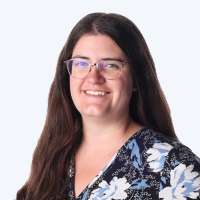

- Whitney Wilkinson's brain implant stops seizures without side effects, which she said has improved her quality of life significantly.
- The device senses seizures, sending pulses to stop them within a few milliseconds.
- Intermountain Healthcare is celebrating the milestone of placing 100 implants, helping patients over the last decade.
MURRAY — Whitney Wilkinson was diagnosed with epilepsy at 12 years old, and throughout her life she has tried many different medications, treatments and surgeries. Just five years ago, she got a treatment that changed her life and has no side effects.
Wilkinson, of Sandy, has a responsive neurostimulator brain implant that is able to sense and stop many of her seizures within milliseconds by sending out a pulse that she doesn't even feel.
"I literally have a computer in my brain that is monitoring my brain waves as we speak, 24/7," she said.
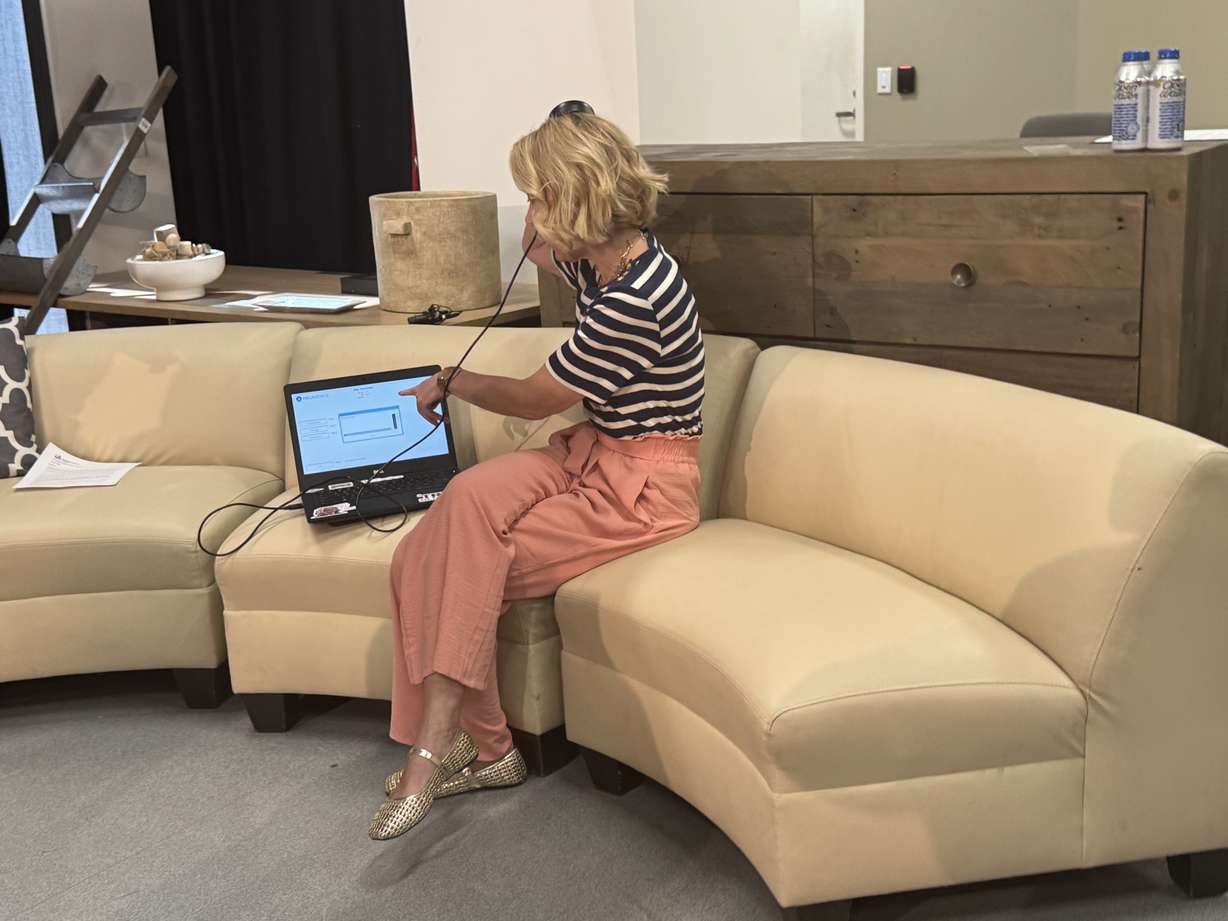
She is one of 100 people who have now received the procedure through Intermountain Health. About once a week, she gathers data on her device by holding a receiver to her head, and the information is then available to her and her doctor.
"The device has given me a greater degree of comfort in going about my day-to-day activities. I feel confident traveling on my own, going to work, just living a day-to-day life. … It's really improved my quality of life even though it's not perfect and I still have challenges. It's been just a really fantastic treatment," Wilkinson said.
She still has challenges and doesn't drive, but is still living a "much more normal life" with growing confidence. She is a professor of marketing at Salt Lake Community College and is now better able to interact with her students and her nieces and nephews.
She said sometimes doctors will see abnormal brain activity from her implant's data that she did not even notice.
Jeffrey Bigelow, an Intermountain Healthcare neurologist, said patients are encouraged to transfer information each day, especially when they first get the implant, since it has limited storage. Doctors are able to use the information it stores to help optimize the patient's care over time.
A developing treatment
Bigelow said 1 in 10 people have seizures, and of those, about a third develop epilepsy — recurrent seizures. According to Bigelow, about two-thirds of patients can control their seizures with just medication, but others need alternative treatments.
For a long time, that meant a low-carb diet or medical cannabis, but more recently, patients like Wilkinson have been able to benefit from the developing surgical treatments. One of those is this neurostimulation device, which came out in the 1990s.
A newer iteration was the first used within Intermountain Healthcare in 2015, and this year they are celebrating helping 100 patients over the last decade, a milestone Bigelow said few institutions have reached. He said when they were first introduced at Intermountain Healthcare, there were quite a few patients who had been waiting for a new available treatment, and he hopes it is approved for even more individuals in the future, leading to another group of new qualified patients.
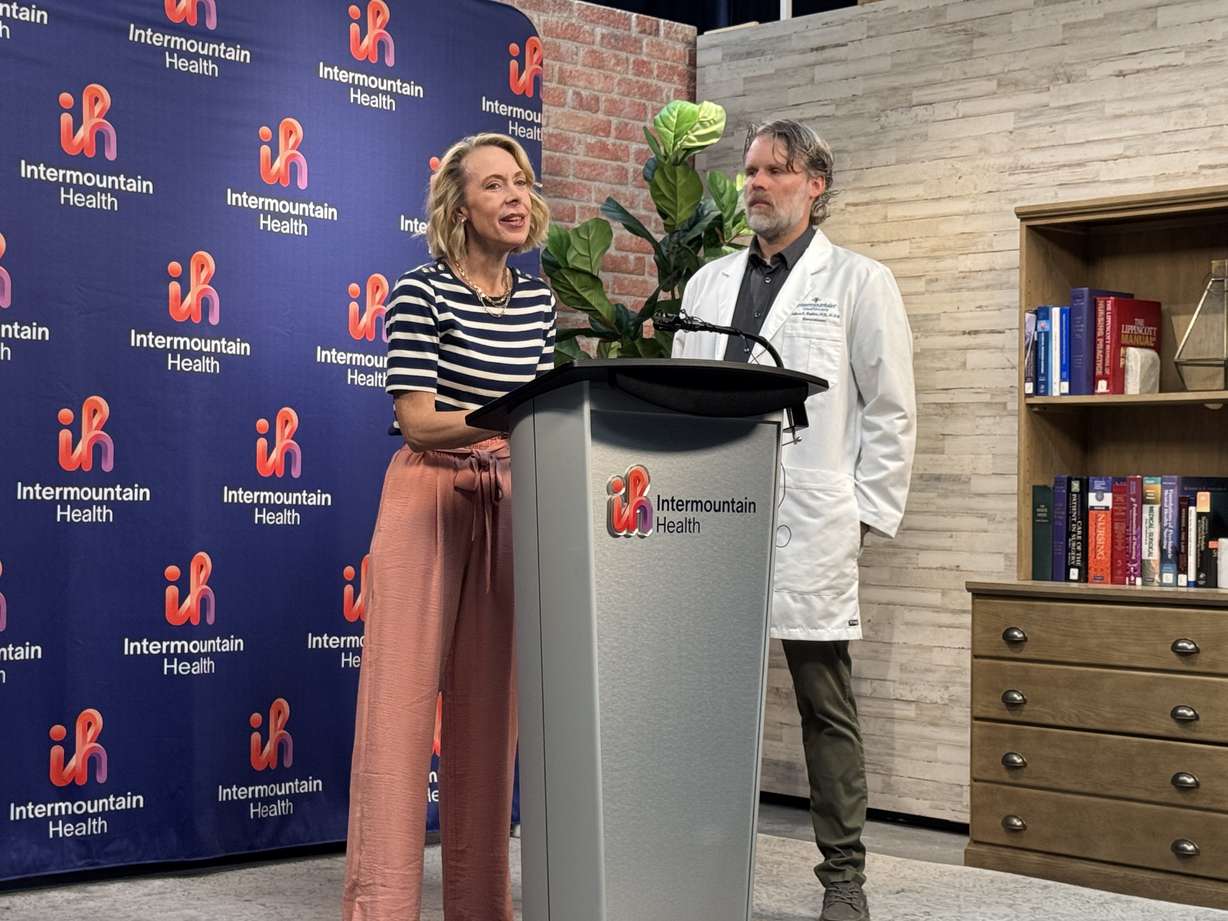
Currently, it is only approved for focal epilepsy, or people with seizures originating in one or two specific locations. Insurance companies will only cover the implant when seizure medications are not working for a patient.
"We're finding that the (responsive neurostimulation device) has a bigger audience and can help more patients," Bigelow said.
Many patients think that because medications aren't working, they need to change their lives around the seizures, the doctor said, but he encouraged them to keep looking for options that will help, saying the field is advancing.
"My goal as a physician, and my belief, is that we can really work and pretty much get most patients seizure free or well controlled and lead to improvement in their lives," he said.
Treatment process
The surgery to place Wilkinson's implant required a week-long hospital stay, but was less invasive than two other surgeries she had to test where her seizures were coming from and try to stop them, which were successful temporarily.
After about 10 years of use, patients will need another surgery to replace the device, which has a 10-year battery life. Bigelow said that surgery typically requires a one-night hospital stay rather than a week, unlike the initial placement.
The device is 2 inches long and has two leads that connect to the seizure origin, and it constantly tracks the patient's brain waves, stepping in to stop seizures within a second of their onset.
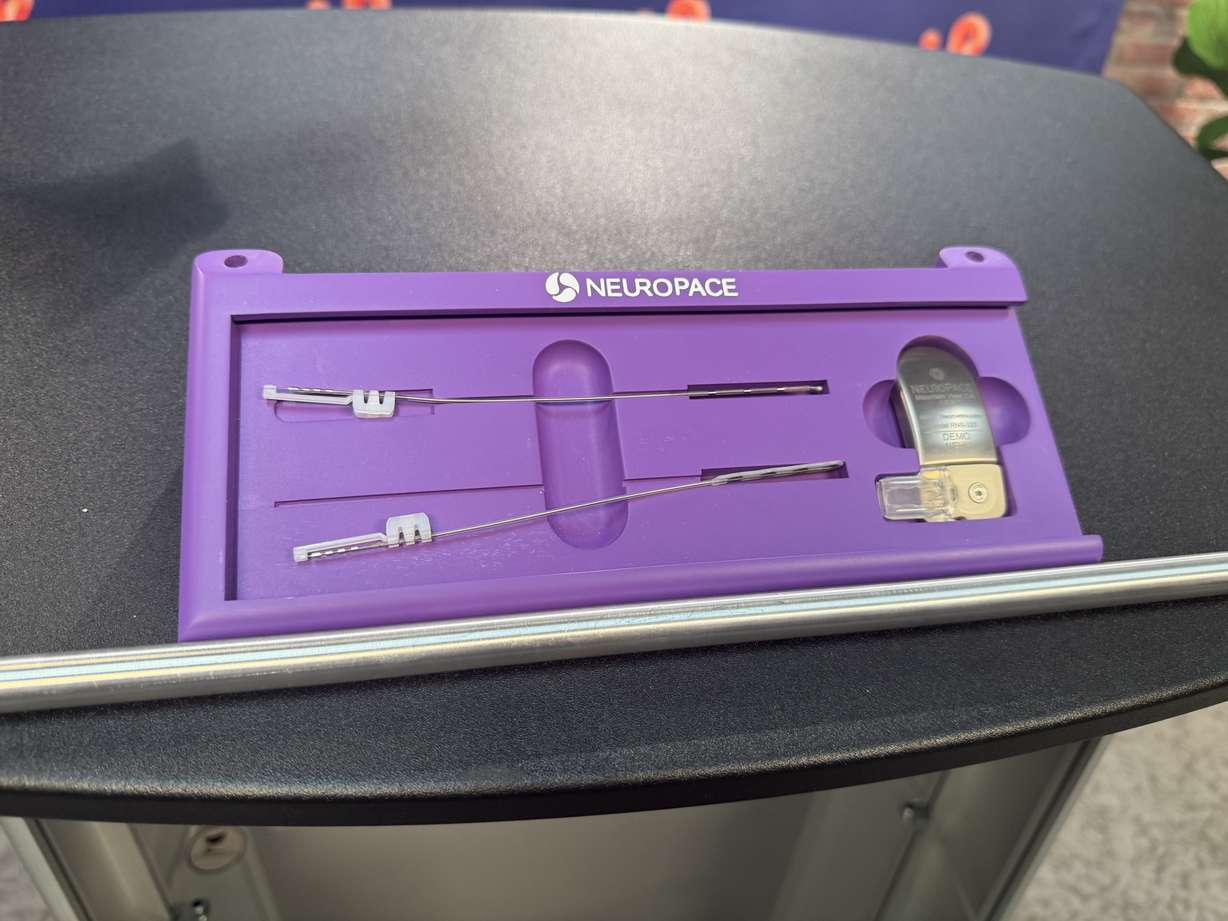
When the patient first gets the device, doctors review what it tracks and learn about the seizures, eventually letting the device stimulate right when it senses a seizure.
Bigelow said, on average, it decreases seizures by 75%, and they hope this device will leave fewer people settling for where they are. Studies have shown 75% of patients have more than a 50% reduction in seizures.
The doctor said he is excited when people are good candidates for the implant.
"Many patients go several months without seizures when that's never happened before. Some patients can return to driving and functioning. … Most patients have some sort of measurable benefit," he said.
It is also teaching doctors about epilepsy over time, benefiting patients who don't qualify for the device. They are learning to predict when seizures will occur and how the brain responds to seizures and pulses.