'%3e%3cpath%20d='M34.1406%205.85938C30.3906%202.10547%2025.3047%200%2020%200C14.6953%200%209.60938%202.10547%205.85938%205.85938C2.10938%209.61328%200%2014.6953%200%2020C0%2025.3047%202.10547%2030.3906%205.85938%2034.1406C9.61328%2037.8906%2014.6953%2040%2020%2040C25.3047%2040%2030.3906%2037.8945%2034.1406%2034.1406C37.8906%2030.3906%2040%2025.3047%2040%2020C40%2014.6953%2037.8945%209.60938%2034.1406%205.85938ZM37.0117%2023.543H31.1602V13.5391H27.6328V19.9414C28.1211%2020.6914%2028.3711%2021.582%2028.3711%2022.5625V22.625C28.3711%2023.668%2028.1172%2024.6055%2027.6328%2025.4297V26.6094H36.082C33.4883%2032.9375%2027.2891%2037.3789%2020.0039%2037.3789C10.3711%2037.3789%202.62109%2029.6289%202.62109%2020C2.62109%2010.3711%2010.3711%202.62109%2020%202.62109C29.6289%202.62109%2037.3789%2010.3711%2037.3789%2020C37.3789%2021.1484%2037.2617%2022.2656%2037.0508%2023.3477C37.0391%2023.4141%2037.0234%2023.4766%2037.0117%2023.543Z'%20fill='white'/%3e%3cpath%20d='M22.3086%2018.5352C20.4336%2018.125%2019.9531%2017.8398%2019.9766%2017.1836V17.1406C19.9766%2016.6992%2020.3477%2016.2148%2021.4023%2016.2148C22.582%2016.2148%2023.8867%2016.6797%2025.0781%2017.4766L26.8516%2015.0195C25.4453%2013.8906%2023.707%2013.3398%2021.5547%2013.3398C18.5195%2013.3398%2016.4375%2015%2016.4063%2017.4766V17.5352C16.3633%2020.2617%2018.5859%2020.9805%2021.293%2021.6016C23.0391%2021.9766%2023.5703%2022.3164%2023.5703%2022.9609L23.5469%2022.9766C23.5469%2023.3906%2023.2578%2023.7031%2022.7852%2023.8359C22.5742%2023.9062%2022.1289%2023.9727%2021.5156%2023.9727C20.7617%2023.9727%2019.7539%2023.8633%2018.6328%2023.4844C18.0898%2023.2891%2017.4727%2023.0039%2016.8047%2022.6133L20.1406%2026.625C20.2813%2026.6602%2021.0977%2026.8516%2021.7734%2026.8516C25.0039%2026.8516%2027.0859%2025.2461%2027.1094%2022.6328V22.5703C27.1602%2020.1133%2025.2148%2019.1719%2022.3086%2018.5352Z'%20fill='white'/%3e%3cpath%20d='M5.24219%2013.5664V26.6133H8.75391V23.7578L10.2969%2021.9531L14.2031%2026.6133H18.3867L12.3555%2019.5195L17.4023%2013.5664H13.4531L8.75391%2019.0586V13.5664H5.24219Z'%20fill='white'/%3e%3c/g%3e%3cdefs%3e%3cclipPath%20id='clip0_97_2430'%3e%3crect%20width='40'%20height='40'%20fill='white'/%3e%3c/clipPath%3e%3c/defs%3e%3c/svg%3e)


Estimated read time: 5-6 minutes
For those who grew up in Utah, naming its 29 counties is probably a breeze thanks to a certain earwormy song mandated in elementary school. A lesser-known fact: the state is home to 254 cities, towns and villages as of 2022, according to the U.S. Census Bureau. But there's no song about those, so chances are you haven't memorized them.
While people often poke fun at Utahns for their uniquely pronounced and scripturally influenced towns, it's worth taking a closer look at some of these names to see how they came to be. Next time you pass through, keep these backstories in mind.
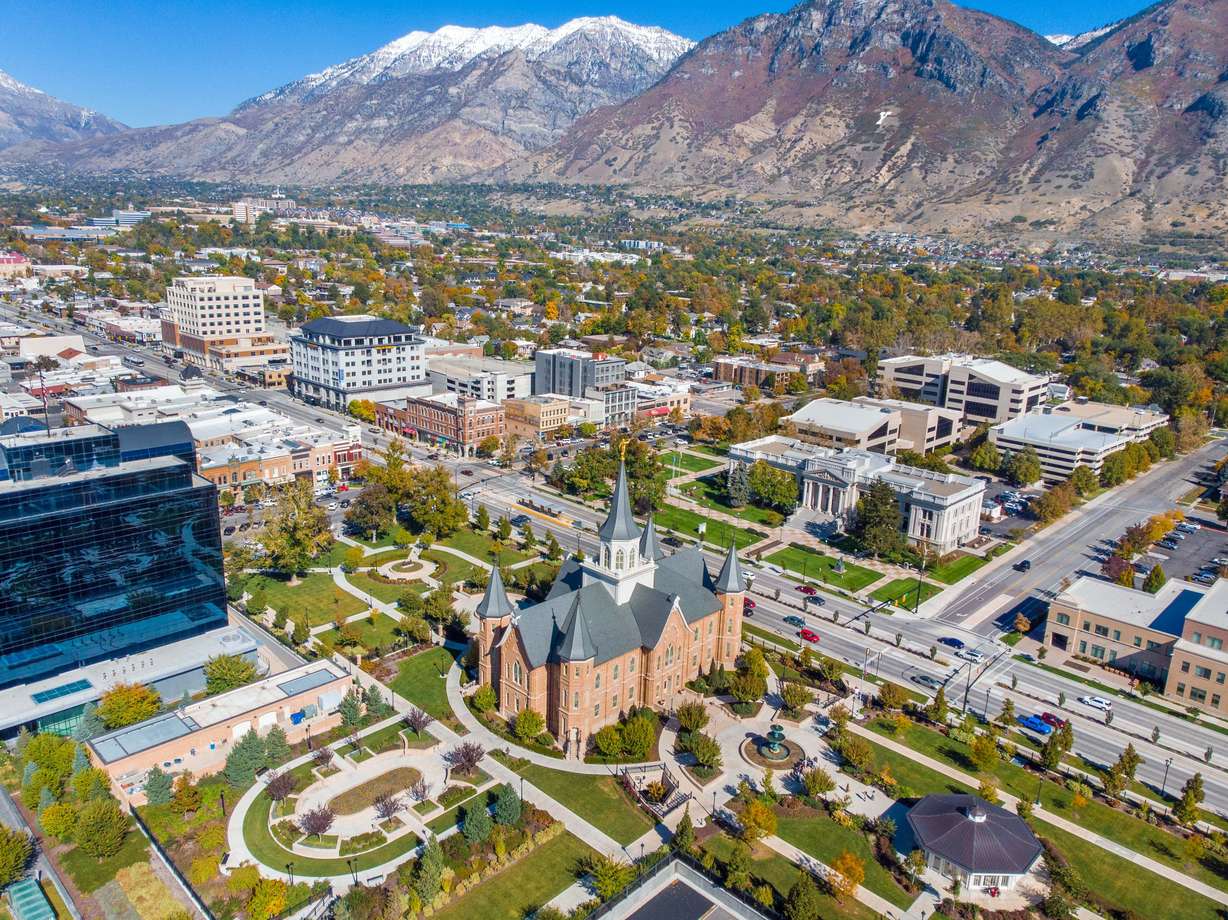
Provo
With so many unusual spellings across Utah, be thankful Provo didn't end up as "Provost." According to Utah.com, the city is named after French fur trapper Etienne Provost (pronounced "Provo" in French), a respected mountain man who was the first white explorer to travel far enough north to glimpse the Great Salt Lake.
He also established a trading post on the shores of Utah Lake, leaving his mark on the region's early history.
St. George
The funny thing about this popular city is that it sounds like it has Catholic roots — but it actually comes from Latter-day Saint history. St. George was named after George A. Smith, an early apostle of the Church.
While he wasn't a saint in the traditional sense, Greater Zion notes that locals nicknamed him the "Potato Saint" for encouraging settlers to eat raw potatoes to help prevent scurvy.
Moab
Here's a case where a city's name doesn't quite match its surroundings. Known for its famous red rock formations and arid desert landscape, Moab doesn't exactly bring water to mind. Yet according to Britannica, one interpretation of the name means "mosquito water."
Another traces it to the biblical land of Moab, meaning "land beyond the Jordan" — a much drier association that feels a little more fitting.
Helper
Few Utah towns have a friendlier name than Helper, the small mining community at the base of Price Canyon. As Utah.com notes, while locals may indeed be generous, the town's name actually comes from the "helper" locomotives that assisted trains up the canyon's steep grade.
7 of Utah's best attractions west of I-15
From national parks to iconic ski resorts, there's plenty to see and do in the Beehive State — and most of them are east of I-15. But there's a wealth of attractions to see west of the freeway as well. Here are a few places worth the drive.Blanding and Bicknell
You can't really talk about the origins of Blanding without mentioning neighboring Bicknell. According to CapitolReef.org, in 1914, a wealthy man named Thomas Bicknell offered to donate a library of 1,000 books to any town willing to take his name.
Two Utah towns — Thurber and Grayson — took him up on the offer. Thurber became Bicknell, while Grayson was renamed Blanding, after Bicknell's wife's maiden name. The two towns ended up sharing the library.
Logan
For such a simple name, Logan has a bit of mystery behind it. The Utah Historical Society notes that while most believe the city was named after an early trapper named Ephraim Logan, other accounts point to a Native American figure with the same name.
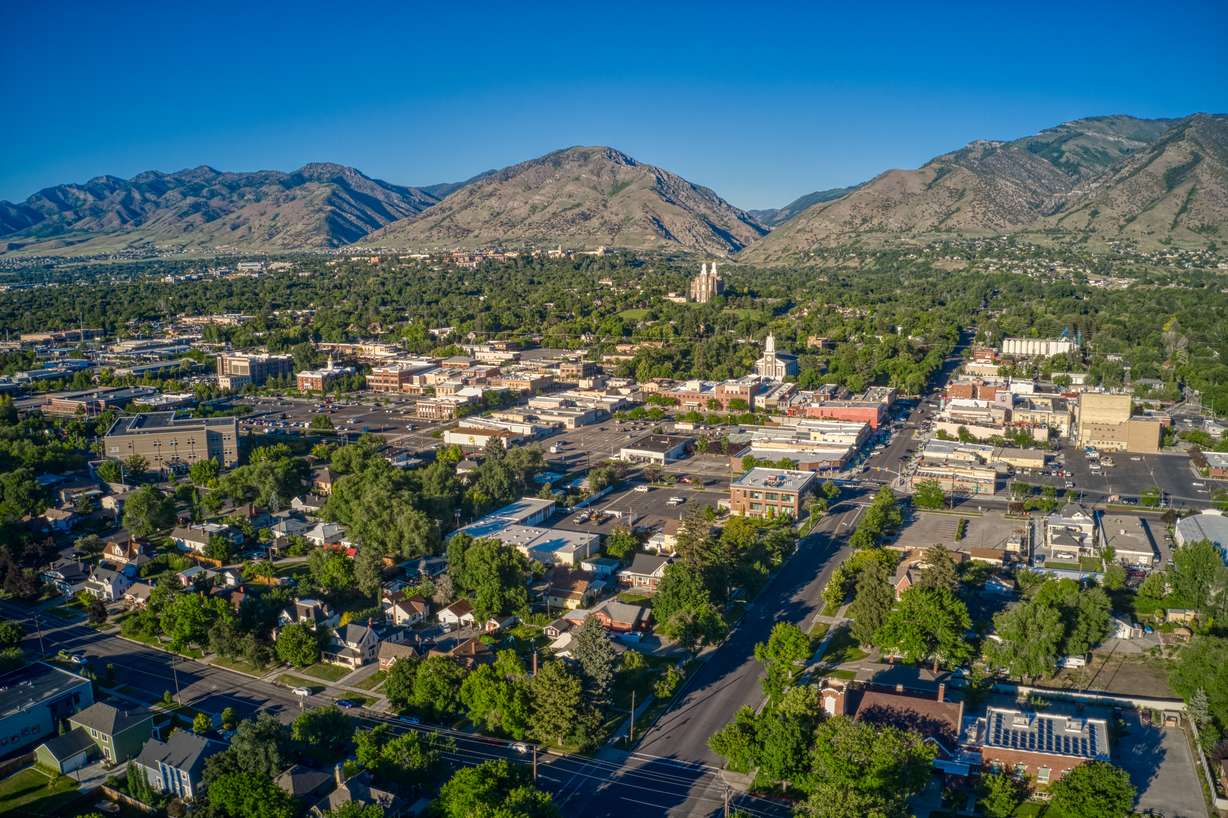
Like many place names in the West, the exact origin isn't entirely clear, but the trapper explanation is more popular.
Scipio
It wasn't long ago that the TikTok trend of women asking men how often they thought about the Roman Empire started. In case you don't remember, the fascinating answer was: quite a lot. Well, this small Utah town will definitely get you thinking about it now.
Scipio (pronounced "sip-ee-oh"), in Millard County, has a population of just 466, according to Niche. The town is said to be named after a lawyer, Scipio Kenner, who helped early settlers in the area. But if you follow that thread a little further, his name came from Scipio Africanus, the Roman general and statesman.
So yes — this tiny, quiet town in central Utah is, in a roundabout way, connected to the Roman Empire. Considering its very humble, small-town roots, the contrast is pretty funny.
Kanab
Kanab is another Utah city that gets its name from Native American sources. According to Utah History to Go, it derives from a Paiute word meaning "willow," because of all of the willow trees that line the creek.
Eureka
Of all the cities on the list, this one might be the most fun to say. And its name is pretty self-explanatory.
Eureka comes from the Greek expression that means "I have found it!" As this YouTube video from Ghost Towns and More explains, the "it" they found was silver and lead ore, which triggered a mining boom in the area.
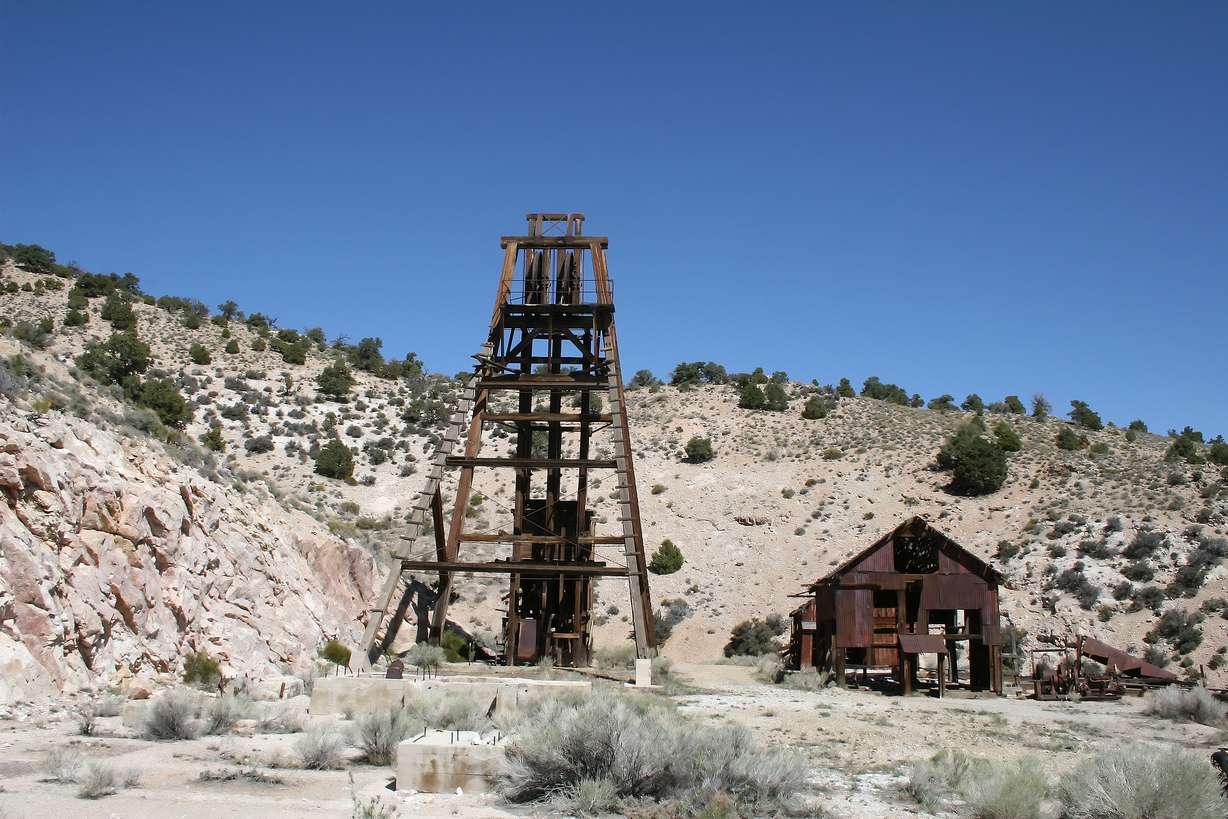
The stories behind the names
The next time you pass a "Welcome to …" sign in Utah, remember there's a story behind that name. Chances are, it's interesting, entertaining or maybe even a little weird — and that's exactly what makes the state so unique.
Siegfried & Jensen
Since 1990, Siegfried & Jensen have been helping the people of Utah and surrounding states who have suffered needless injuries and death caused by car accidents, truck accidents, medical malpractice, defective drugs, dog bites, wrongful death, and other types of personal injury.
The firm is committed to keeping Utah families and communities safe by ensuring wrongdoers are held accountable. While a lawsuit isn't always the answer when it is needed, having someone on your side can mean the difference between declaring bankruptcy and rebuilding your life and moving forward, especially when you're up against an insurance company or a hospital.
Siegfried & Jensen has represented more than 35,000 clients and recovered over $1.2 billion for them.