'%3e%3cpath%20d='M34.1406%205.85938C30.3906%202.10547%2025.3047%200%2020%200C14.6953%200%209.60938%202.10547%205.85938%205.85938C2.10938%209.61328%200%2014.6953%200%2020C0%2025.3047%202.10547%2030.3906%205.85938%2034.1406C9.61328%2037.8906%2014.6953%2040%2020%2040C25.3047%2040%2030.3906%2037.8945%2034.1406%2034.1406C37.8906%2030.3906%2040%2025.3047%2040%2020C40%2014.6953%2037.8945%209.60938%2034.1406%205.85938ZM37.0117%2023.543H31.1602V13.5391H27.6328V19.9414C28.1211%2020.6914%2028.3711%2021.582%2028.3711%2022.5625V22.625C28.3711%2023.668%2028.1172%2024.6055%2027.6328%2025.4297V26.6094H36.082C33.4883%2032.9375%2027.2891%2037.3789%2020.0039%2037.3789C10.3711%2037.3789%202.62109%2029.6289%202.62109%2020C2.62109%2010.3711%2010.3711%202.62109%2020%202.62109C29.6289%202.62109%2037.3789%2010.3711%2037.3789%2020C37.3789%2021.1484%2037.2617%2022.2656%2037.0508%2023.3477C37.0391%2023.4141%2037.0234%2023.4766%2037.0117%2023.543Z'%20fill='white'/%3e%3cpath%20d='M22.3086%2018.5352C20.4336%2018.125%2019.9531%2017.8398%2019.9766%2017.1836V17.1406C19.9766%2016.6992%2020.3477%2016.2148%2021.4023%2016.2148C22.582%2016.2148%2023.8867%2016.6797%2025.0781%2017.4766L26.8516%2015.0195C25.4453%2013.8906%2023.707%2013.3398%2021.5547%2013.3398C18.5195%2013.3398%2016.4375%2015%2016.4063%2017.4766V17.5352C16.3633%2020.2617%2018.5859%2020.9805%2021.293%2021.6016C23.0391%2021.9766%2023.5703%2022.3164%2023.5703%2022.9609L23.5469%2022.9766C23.5469%2023.3906%2023.2578%2023.7031%2022.7852%2023.8359C22.5742%2023.9062%2022.1289%2023.9727%2021.5156%2023.9727C20.7617%2023.9727%2019.7539%2023.8633%2018.6328%2023.4844C18.0898%2023.2891%2017.4727%2023.0039%2016.8047%2022.6133L20.1406%2026.625C20.2813%2026.6602%2021.0977%2026.8516%2021.7734%2026.8516C25.0039%2026.8516%2027.0859%2025.2461%2027.1094%2022.6328V22.5703C27.1602%2020.1133%2025.2148%2019.1719%2022.3086%2018.5352Z'%20fill='white'/%3e%3cpath%20d='M5.24219%2013.5664V26.6133H8.75391V23.7578L10.2969%2021.9531L14.2031%2026.6133H18.3867L12.3555%2019.5195L17.4023%2013.5664H13.4531L8.75391%2019.0586V13.5664H5.24219Z'%20fill='white'/%3e%3c/g%3e%3cdefs%3e%3cclipPath%20id='clip0_97_2430'%3e%3crect%20width='40'%20height='40'%20fill='white'/%3e%3c/clipPath%3e%3c/defs%3e%3c/svg%3e)




- The Utah Taxpayers Association is calling for more transparency in education spending, questioning expenditure reporting by school districts.
- The association also reported more funds go to administrators than teachers.
- The Utah Education Association emphasizes the need for skilled educators and professional pay.
SALT LAKE CITY — Two reports released this week by the Utah Taxpayers Association look into the spending of school districts across the state, specifically examining where that money is going.
The reports found more money goes to school administrators than teachers, while also raising questions about how certain education expenditures are reported.
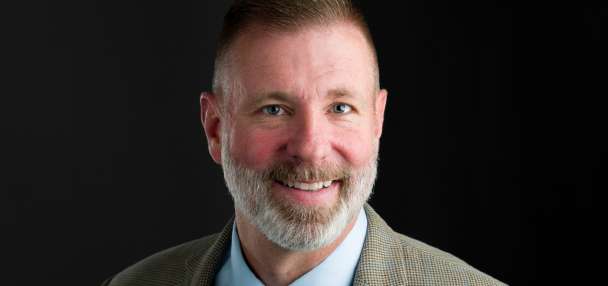
Billy Hesterman, president of the Utah Taxpayers Association, said the two reports look at whether property tax revenues are "being used appropriately."
He also acknowledged this is a topic with "a lot of passion" since it involves students, teachers and property taxes — one of the primary ways school districts in Utah receive their funding. The Utah Taxpayers Association routinely highlights which entities want to raise property taxes each year and, in some cases, criticizes proposed increases.
"We want to add transparency to one of the largest tax collectors in the state and how they spend their money," Hesterman told KSL.
Teachers vs. administrators
The first report, relying on publicly available data, found that school administrators earn 61% more, on average, than classroom teachers in Utah.
"That's probably expected to some point, just in the hierarchy of things," Hesterman said. "But we also have to wonder, is that producing better student outcomes? Is paying a school principal or an assistant superintendent more dollars really going to get us more successful students?"
Additionally, the report found, more school district employees throughout the state work outside the classroom rather than inside it.
According to the report, Utah's average teacher salary is $71,546, although pay ranges vary widely based on the district.
The Utah Education Association, which is the state's largest teachers' union, responded to the report's findings in a statement to KSL on Wednesday.
"Student success depends on skilled public educators and strong school leadership working together in our public schools," the UEA said. "Students benefit when experienced public educators can stay in the classroom, and that requires professional pay that reflects the demands of the job and the expertise they bring every day. Smaller class sizes, stronger support and pay that keeps public educators in the profession are all part of giving Utah students the great public schools they deserve."
Daniel Woodruff, KSLPublic education spending
The second report primarily consists of random examples of district spending, sourced from the Utah state auditor's "Transparent Utah" database.
The association maintains the report isn't "suggesting these transactions are illegal or even unusual."
"Many likely reflect standard practices across districts," the report states. "However, they do raise reasonable questions about frequency, amount, purpose, and prioritization."
The first example shows over $215 million in spending by the Jordan School District, with the report stating that they are "transactions with no listed vendor."
The district, however, took issue with the association's phrasing of what that money could or couldn't be going to — and clarified the $215 million isn't a vendor payment at all. District spokesman Doug Flagler said the money represents wages paid to district employees and is listed as "not provided" on the state auditor's database because the district can't list employee names.
Sandra Riesgraf, the district's director of communications, added that the database classifies employee wages under the umbrella of "not provided" or "not applicable" for all districts in Utah.
"I don't know why (the Utah Taxpayers Association) wouldn't have reached out to us for clarification if they had questions, because we do want to clarify," Riesgraf said. "We want accurate information out there. But this is not accurate, and it's not fair to portray a school district in this way, in this light, that implies that we're trying to hide something because we absolutely are not."
Hesterman said the Utah Taxpayers Association was working to verify the district's assertions. However, he said the issue illustrates why there needs to be "more clarity" in how public education spending is reported.
"It is hard for the taxpayer to know what is going on," Hesterman said, "and the current process is leaving us with questions and not full answers."