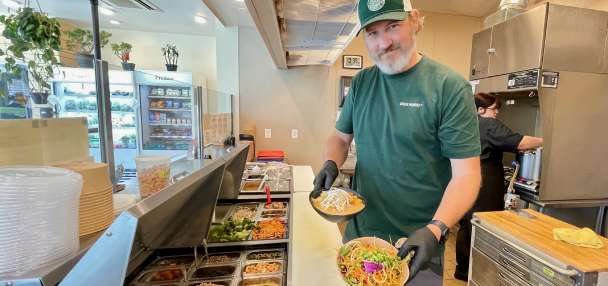
- Clayton Cook's Big Deal Outlet faced challenges adapting to Utah's new SNAP soda ban.
- Cook spent weeks and thousands on software to help separate the eligible SNAP items.
- Further proposed SNAP restrictions on ultraprocessed foods stalled due to definition concerns in Utah, leaving him relieved, but uncertain.
LAYTON – As he puts it, Clayton Cook's discount store sells "everything."
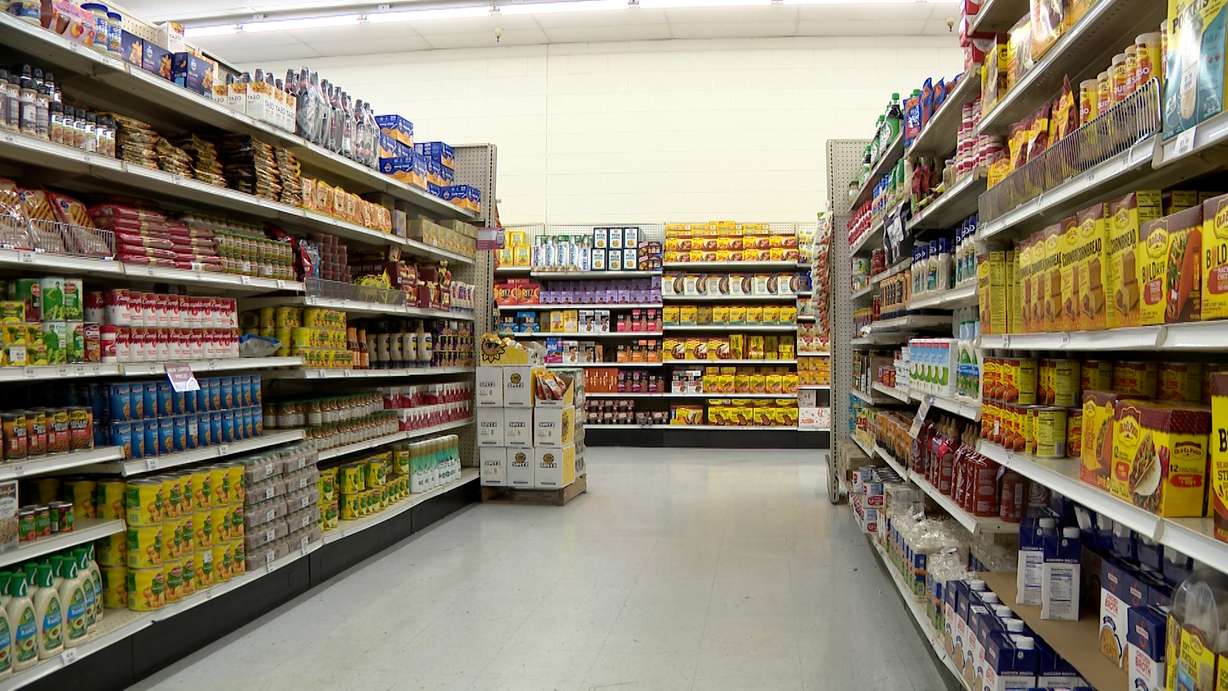
His four Utah and three Idaho locations of Big Deal Outlet offer things like food, blankets, clothing, and toys. Signs advertising rock-bottom prices are everywhere.
The stores also sell soda, which can no longer be purchased in Utah using SNAP benefits, commonly known as food stamps. That change was approved by state lawmakers last year and went into effect Jan. 1.
Cook initially believed that change would be a "simple fix" on his end, but it wasn't. His retail software couldn't differentiate between eligible and ineligible items.
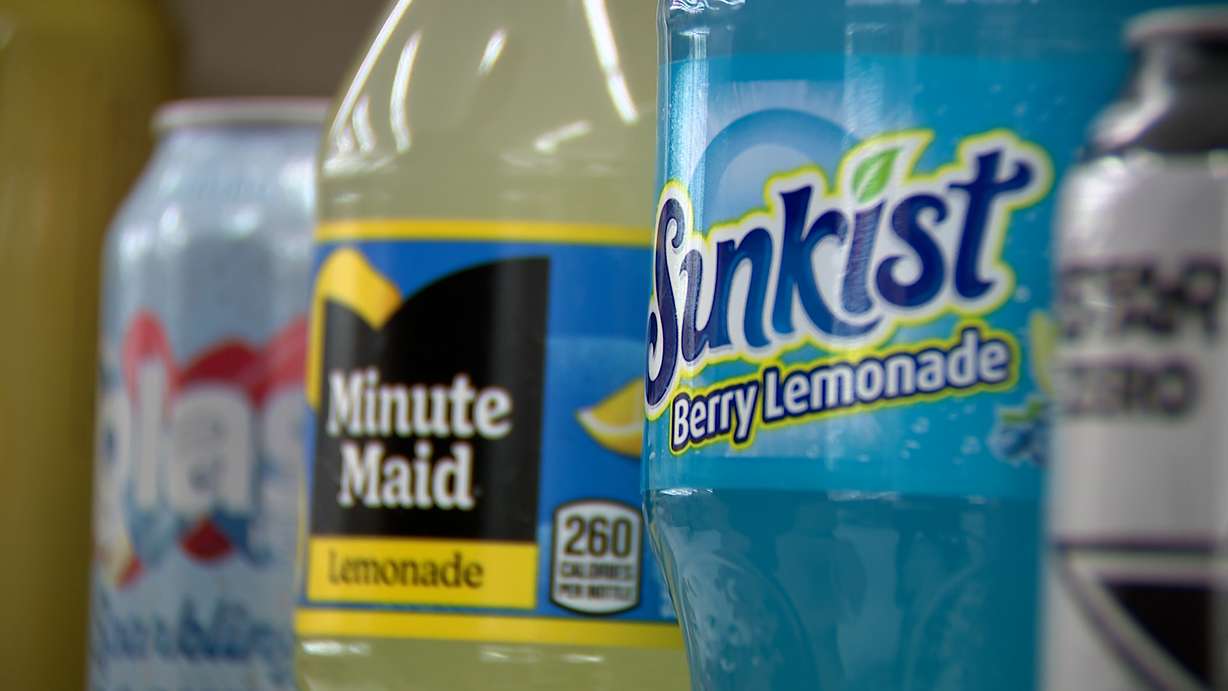
"We had to pay for some custom programming that took a couple weeks and a couple thousand dollars just to be able to segregate and say, 'This food is eligible and this isn't,'" Cook said in an interview Wednesday at his Layton store, "because that's never happened before in the SNAP program."
A 'burden' to navigate
Figuring those regulations out, he said, is a burden on businesses, and it's even worse in Idaho where both soda and candy are on the banned list of SNAP purchases, as of Feb. 15.
For example, Cook noted a box of protein bars qualifies as candy under Idaho's law, while a bag of Twix bars does not since it has flour in it.
"The burden is on the retailer to decide on every individual product," Cook said.
During the legislative session, which wrapped up earlier this month, Utah lawmakers debated additional restrictions on SNAP benefits. Rep. Kristen Chevrier, R-Highland, proposed prohibiting those benefits from being used to buy "ultra-processed foods," a move she said would help people be healthier.
Chevrier sponsored Utah's initial ban on soda purchases, which got attention from Health and Human Services Secretary Robert F. Kennedy Jr., who said it was part of making Utah a leader in his "Make America Healthy Again" movement.
But this year's proposal, HB569, stalled over concerns about how ultra-processed foods were defined. Still, Chevrier said she plans to keep discussing the issue over the next year with the goal of "making the SNAP program more effectively focused on its mission."
Asked about the impact on businesses having to comply with regulations on SNAP benefits, Chevrier told KSL that "similar concerns" led to HB569 being shelved. But she plans to keep talking about the issue over the interim period, prior to the session next year.
"I would encourage small business owners who deal with SNAP, and others with ideas or concerns, to reach out to me so that we can move forward with a broad range of input and participation," Chevrier said.
Uncertain future
Back at his Layton store, Cook said he was "so glad" Chevrier's proposal didn't move forward this session, even though it could resurface later in some form.
While he supports the legislation's goal of healthy living, Cook said more rules for SNAP benefits may force him to eventually stop accepting them altogether.
"It's the retailers ultimately that are trying to figure it out and costing us time and labor and money," he said, "which is a challenge."