'%3e%3cpath%20d='M34.1406%205.85938C30.3906%202.10547%2025.3047%200%2020%200C14.6953%200%209.60938%202.10547%205.85938%205.85938C2.10938%209.61328%200%2014.6953%200%2020C0%2025.3047%202.10547%2030.3906%205.85938%2034.1406C9.61328%2037.8906%2014.6953%2040%2020%2040C25.3047%2040%2030.3906%2037.8945%2034.1406%2034.1406C37.8906%2030.3906%2040%2025.3047%2040%2020C40%2014.6953%2037.8945%209.60938%2034.1406%205.85938ZM37.0117%2023.543H31.1602V13.5391H27.6328V19.9414C28.1211%2020.6914%2028.3711%2021.582%2028.3711%2022.5625V22.625C28.3711%2023.668%2028.1172%2024.6055%2027.6328%2025.4297V26.6094H36.082C33.4883%2032.9375%2027.2891%2037.3789%2020.0039%2037.3789C10.3711%2037.3789%202.62109%2029.6289%202.62109%2020C2.62109%2010.3711%2010.3711%202.62109%2020%202.62109C29.6289%202.62109%2037.3789%2010.3711%2037.3789%2020C37.3789%2021.1484%2037.2617%2022.2656%2037.0508%2023.3477C37.0391%2023.4141%2037.0234%2023.4766%2037.0117%2023.543Z'%20fill='white'/%3e%3cpath%20d='M22.3086%2018.5352C20.4336%2018.125%2019.9531%2017.8398%2019.9766%2017.1836V17.1406C19.9766%2016.6992%2020.3477%2016.2148%2021.4023%2016.2148C22.582%2016.2148%2023.8867%2016.6797%2025.0781%2017.4766L26.8516%2015.0195C25.4453%2013.8906%2023.707%2013.3398%2021.5547%2013.3398C18.5195%2013.3398%2016.4375%2015%2016.4063%2017.4766V17.5352C16.3633%2020.2617%2018.5859%2020.9805%2021.293%2021.6016C23.0391%2021.9766%2023.5703%2022.3164%2023.5703%2022.9609L23.5469%2022.9766C23.5469%2023.3906%2023.2578%2023.7031%2022.7852%2023.8359C22.5742%2023.9062%2022.1289%2023.9727%2021.5156%2023.9727C20.7617%2023.9727%2019.7539%2023.8633%2018.6328%2023.4844C18.0898%2023.2891%2017.4727%2023.0039%2016.8047%2022.6133L20.1406%2026.625C20.2813%2026.6602%2021.0977%2026.8516%2021.7734%2026.8516C25.0039%2026.8516%2027.0859%2025.2461%2027.1094%2022.6328V22.5703C27.1602%2020.1133%2025.2148%2019.1719%2022.3086%2018.5352Z'%20fill='white'/%3e%3cpath%20d='M5.24219%2013.5664V26.6133H8.75391V23.7578L10.2969%2021.9531L14.2031%2026.6133H18.3867L12.3555%2019.5195L17.4023%2013.5664H13.4531L8.75391%2019.0586V13.5664H5.24219Z'%20fill='white'/%3e%3c/g%3e%3cdefs%3e%3cclipPath%20id='clip0_97_2430'%3e%3crect%20width='40'%20height='40'%20fill='white'/%3e%3c/clipPath%3e%3c/defs%3e%3c/svg%3e)


Estimated read time: 4-5 minutes
What would you do if you found out your home was filled with radioactive gas that your senses could not detect? While this may sound unlikely, it is more common than many Utah homeowners realize.
According to Alpha Energy Laboratories, an independent radon lab that has processed more than 74,000 radon tests in Utah, nearly half of Utah homes have tested with high radon levels, a radioactive gas known to cause lung cancer.
Here is how you can determine your risk and protect your loved ones.
What is radon, and where does it come from?
Radon is a natural byproduct of uranium and rises from the ground into the air we breathe. It is not particularly dangerous in outdoor air, but when it enters homes through the foundation, it can build to levels that can damage lung tissue over time.
Like carbon monoxide, radon is an odorless, tasteless, and invisible gas.
Because children breathe faster and spend more time indoors, long-term radon exposure can pose an even greater risk for families with kids living at home.
However, radon exposure is not as noticeable as carbon monoxide, and many people do not know their home has elevated levels until they are diagnosed with advanced lung cancer.
Radon is often called the silent killer because the only way to know if you are being exposed is to test for it.
49% of Utah homes have high radon levels, a deadly radioactive gas that causes lung cancer
–UtahRadon.org
How to find out your local radon risk
UtahRadon.org, a leading radon awareness and testing organization, released a tool that allows Utah residents to explore radon risk based on local testing data.
The tool, What radon levels are in my area?, allows users to enter their zip code to see the average radon levels in their area and general cancer risk information associated with those levels.
This tool provides helpful context, but it cannot tell you what is happening inside your specific home.
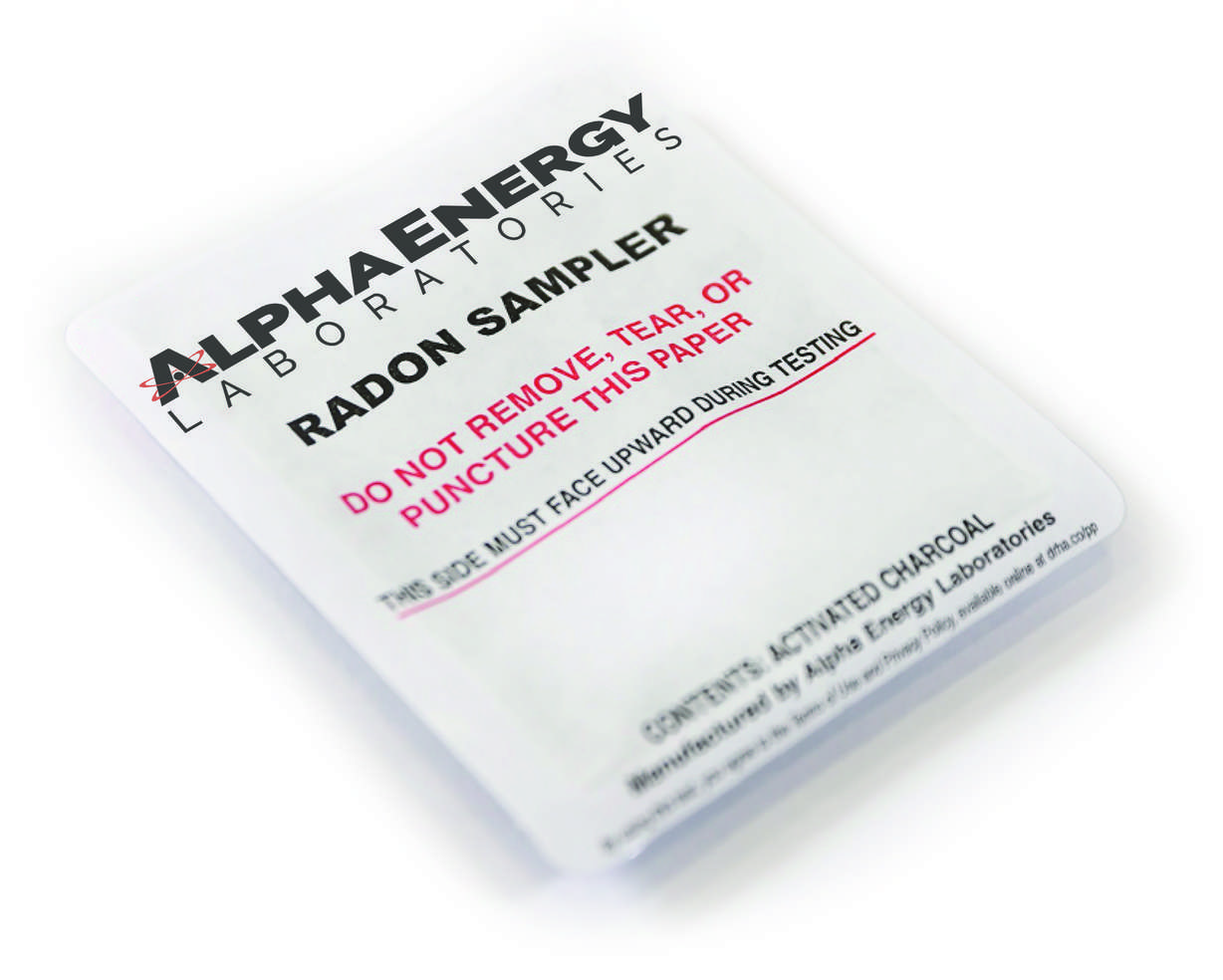
Request a free radon test kit.
How to know your home's radon level
While UtahRadon.org's tool is a helpful way to understand relative risk, the only way to know if your home has elevated radon levels is to perform a radon test.
A radon test is a fast and straightforward way to measure your home's radon level. Most tests take between two and four days to complete and require no home visit.
Even if you live in an area with lower average radon levels, testing is still important.
According to the U.S. Surgeon General and leading health organizations, homes should be tested every two years. All Utah residents can request one free radon test kit, with shipping and lab analysis included.
Have a free radon test kit mailed to your home.
The reality of living in a high radon home
Countless Utah residents have been impacted by non-smoking lung cancer, including Park City resident Bill Johnson.
Bill's illness began with what felt like ordinary back pain. By the time doctors identified the cause, his stage four cancer had spread from his lungs to his spine, brain, and hips.
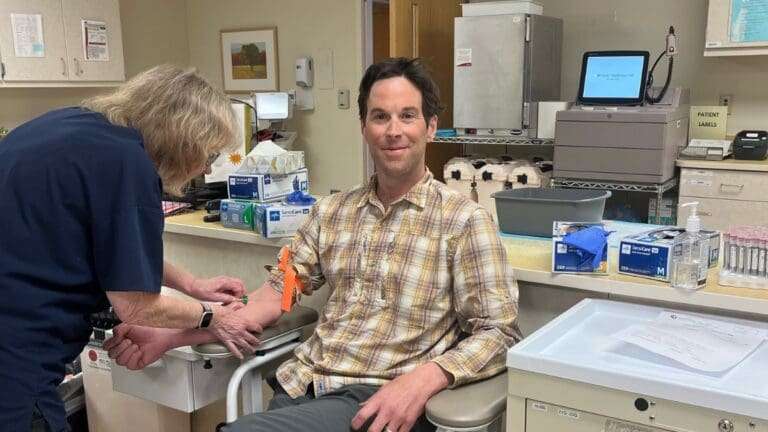
Like many Utahns affected by radon exposure, Bill had no obvious warning signs until the disease had already advanced.
"I have to think about my boys growing up without their father because of something that is completely preventable," Bill told UtahRadon.org.
Bill's diagnosis is not uncommon. An estimated 20 to 30 percent of Utah lung cancer cases are believed to be linked to radon exposure, and many people do not learn they have non-smoking lung cancer until it has significantly progressed.
Since his diagnosis, Bill installed a permanent radon mitigation system and now advocates for radon testing to help other families avoid a similar outcome.
Expansion of radon knowledge
Awareness of radon has grown as local organizations continue to educate Utah residents about the risks and available resources.
In 2025, January was officially designated as Radon Action and Awareness Month in Utah, following the Environmental Protection Agency's designation of January as National Radon Action Month.
Radon exposure is preventable. A simple test can help protect your family.
Get your free radon test kit today.