'%3e%3cpath%20d='M34.1406%205.85938C30.3906%202.10547%2025.3047%200%2020%200C14.6953%200%209.60938%202.10547%205.85938%205.85938C2.10938%209.61328%200%2014.6953%200%2020C0%2025.3047%202.10547%2030.3906%205.85938%2034.1406C9.61328%2037.8906%2014.6953%2040%2020%2040C25.3047%2040%2030.3906%2037.8945%2034.1406%2034.1406C37.8906%2030.3906%2040%2025.3047%2040%2020C40%2014.6953%2037.8945%209.60938%2034.1406%205.85938ZM37.0117%2023.543H31.1602V13.5391H27.6328V19.9414C28.1211%2020.6914%2028.3711%2021.582%2028.3711%2022.5625V22.625C28.3711%2023.668%2028.1172%2024.6055%2027.6328%2025.4297V26.6094H36.082C33.4883%2032.9375%2027.2891%2037.3789%2020.0039%2037.3789C10.3711%2037.3789%202.62109%2029.6289%202.62109%2020C2.62109%2010.3711%2010.3711%202.62109%2020%202.62109C29.6289%202.62109%2037.3789%2010.3711%2037.3789%2020C37.3789%2021.1484%2037.2617%2022.2656%2037.0508%2023.3477C37.0391%2023.4141%2037.0234%2023.4766%2037.0117%2023.543Z'%20fill='white'/%3e%3cpath%20d='M22.3086%2018.5352C20.4336%2018.125%2019.9531%2017.8398%2019.9766%2017.1836V17.1406C19.9766%2016.6992%2020.3477%2016.2148%2021.4023%2016.2148C22.582%2016.2148%2023.8867%2016.6797%2025.0781%2017.4766L26.8516%2015.0195C25.4453%2013.8906%2023.707%2013.3398%2021.5547%2013.3398C18.5195%2013.3398%2016.4375%2015%2016.4063%2017.4766V17.5352C16.3633%2020.2617%2018.5859%2020.9805%2021.293%2021.6016C23.0391%2021.9766%2023.5703%2022.3164%2023.5703%2022.9609L23.5469%2022.9766C23.5469%2023.3906%2023.2578%2023.7031%2022.7852%2023.8359C22.5742%2023.9062%2022.1289%2023.9727%2021.5156%2023.9727C20.7617%2023.9727%2019.7539%2023.8633%2018.6328%2023.4844C18.0898%2023.2891%2017.4727%2023.0039%2016.8047%2022.6133L20.1406%2026.625C20.2813%2026.6602%2021.0977%2026.8516%2021.7734%2026.8516C25.0039%2026.8516%2027.0859%2025.2461%2027.1094%2022.6328V22.5703C27.1602%2020.1133%2025.2148%2019.1719%2022.3086%2018.5352Z'%20fill='white'/%3e%3cpath%20d='M5.24219%2013.5664V26.6133H8.75391V23.7578L10.2969%2021.9531L14.2031%2026.6133H18.3867L12.3555%2019.5195L17.4023%2013.5664H13.4531L8.75391%2019.0586V13.5664H5.24219Z'%20fill='white'/%3e%3c/g%3e%3cdefs%3e%3cclipPath%20id='clip0_97_2430'%3e%3crect%20width='40'%20height='40'%20fill='white'/%3e%3c/clipPath%3e%3c/defs%3e%3c/svg%3e)


Estimated read time: 4-5 minutes
A 2022 report presented to the Utah Legislature estimates that more than 5,800 Utahns have died from radon-related lung cancer since 1973. The Indoor Environments Association also estimates nearly 60 million dollars in annual economic and medical costs tied to radon in Utah.
Additionally, more than 21,000 Americans die each year from lung cancer caused by radon. The risk is especially high in Utah, yet the state still has very few protections in place to keep families safe.
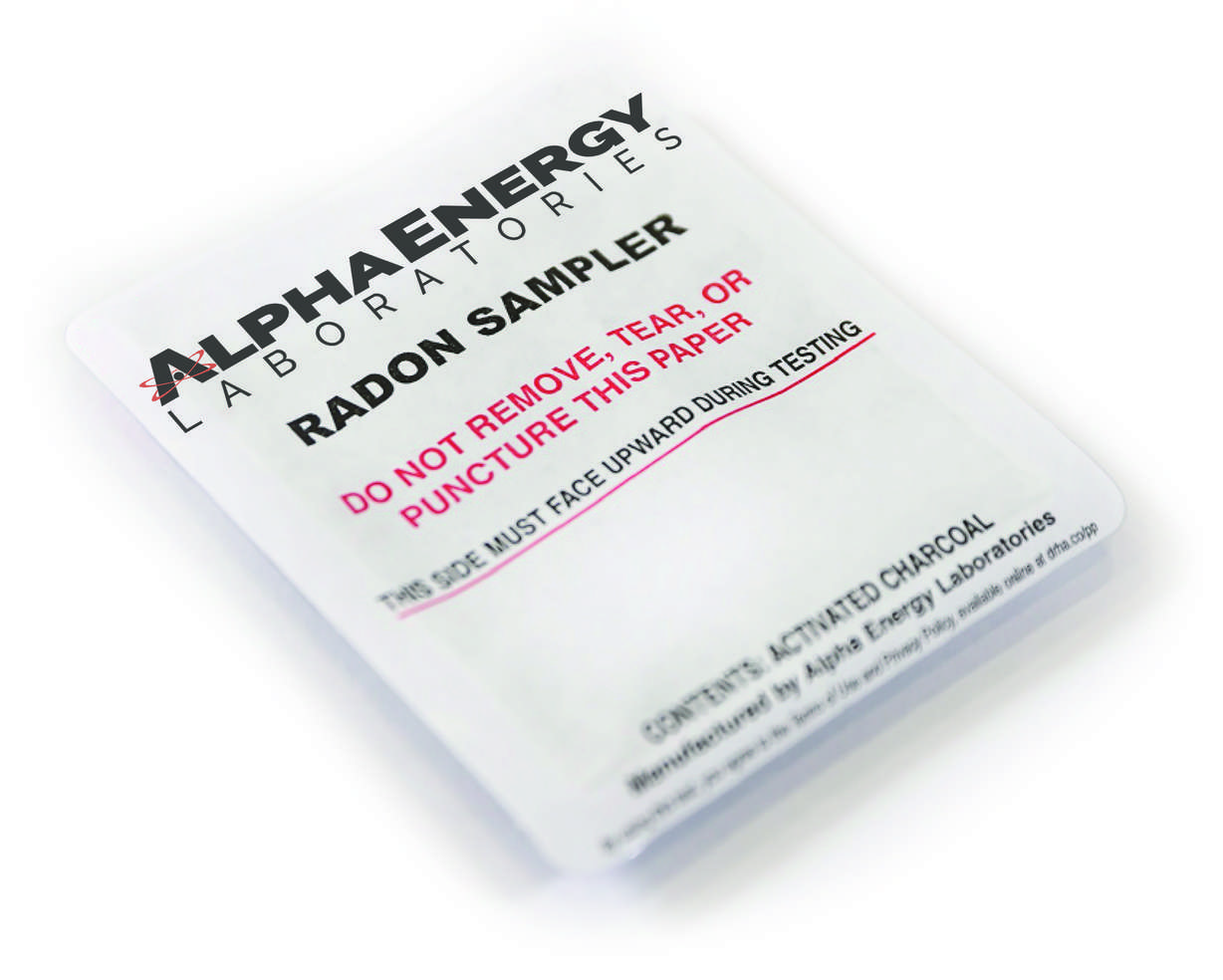
Utah residents can request one free radon test kit here.
The high cost of inaction
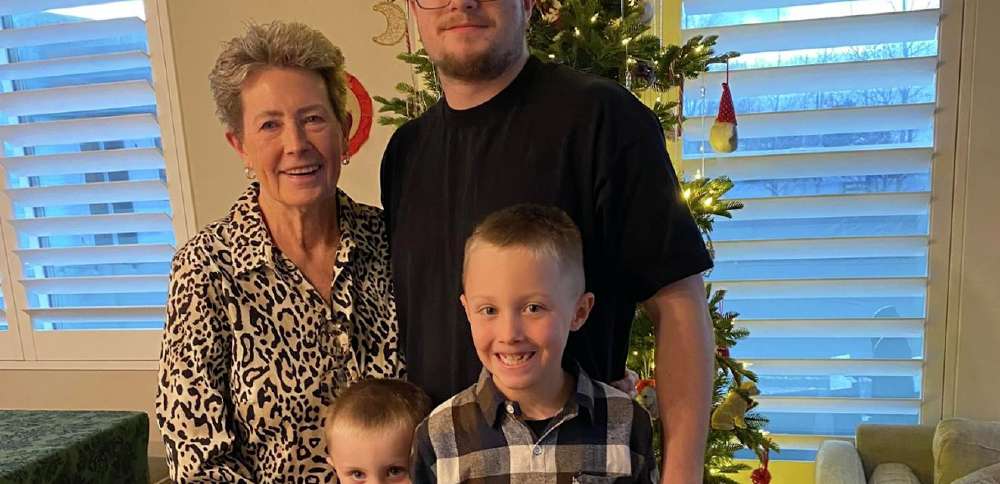
In 2023, KSL reported on the story of Kamas resident Connie Alexakos, who received a diagnosis that changed everything. Connie learned she had stage four lung cancer, even though she had never smoked.
"I wished I had known that it [radon] was so prevalent in Utah," Connie told KSL. After her diagnosis, she discovered that the home she was living in measured 14.0 pCi/L. That level is seven times higher than the point at which the Environmental Protection Agency recommends considering installing a mitigation system.
From the time she learned her diagnosis until the day she passed away earlier this year, Connie devoted her time to raising awareness about radon.
"I want all Utahns to know that radon is the number one cause of non-smoking lung cancer," she said. "And by the time you know about it and do something about it, it could be way too late."
Connie's outcome might have been preventable if her home had been tested during the inspection process or if Utah had clear guidance on when and how often residents should test.
Radon is a serious public health threat that can only be detected through testing. All homes should be tested for radon, regardless of age, location, or construction type.
–Richard H. Carmona, former U.S. Surgeon General
Radon, Utah's silent and deadly hazard
Radon is the most deadly geologic hazard in Utah, according to the Utah Department of Public Safety. It is an invisible, odorless radioactive gas produced when uranium decays in soil and rocks. Utah contains significant uranium deposits.
In the 1950s, the state was a major uranium producer, and those minerals remain in the ground today. Because of this, radon can accumulate inside homes of any age or construction type.
Testing data from Alpha Energy Laboratories shows that 49 percent of Utah homes tested between 2017 and 2024 had dangerous radon levels.
Dr. Shamus Carr, former Co-Director of Thoracic Oncology at the Huntsman Cancer Institute, has stated that nearly every basement in Utah contains radon gas.

Former U.S. Surgeon General Richard H. Carmona summarized the risk clearly.
"Radon is a serious public health threat that can only be detected through testing. All homes should be tested for radon, regardless of age, location, or construction type."
Because radon has no smell or taste, families often discover it only after a late-stage lung cancer diagnosis.
Long-term exposure damages DNA in lung tissue and has also been linked to childhood leukemia and other health concerns.
Utah residents can request one free radon test kit here.
Where Utah laws fall short
Health organizations, including the EPA, the World Health Organization, the American Lung Association, and the American Cancer Society, all urge homeowners to test for radon. Despite this, Utah has only two radon-related laws in place:
- Home sellers must disclose any known radon test results or mitigation to the buyer.
- Professional radon mitigation must be performed by a licensed contractor who follows national standards.
Unlike many other states, Utah does not require the following protections:
- Radon testing during real estate transactions.
- Providing radon information to potential buyers early in the process.
- Radon testing in schools, daycares, or public buildings.
- Allowing renters to break a lease if landlords refuse to mitigate.
- Radon-resistant construction in new homes.
- Mitigation requirements for public buildings that test high.
The Indoor Environments Association recently released a detailed Radon Report Card that outlines Utah's lung cancer data, radon levels and policy gaps.

Dr. Wallace Akerley of the Huntsman Cancer Institute called the lack of policy attention a major concern. "I think this is just so important. It is a glaring miss for our state."
What you can do today
Experts recommend testing homes for radon every two years.
Winter is the ideal time to test because indoor radon levels are typically highest when homes are sealed, and ventilation is reduced.
Here are steps Utah residents can take right now:
- Test your home for radon - get one free radon test kit here.
- Share your test results with neighbors, friends, and family.
- Ask your school district or daycare provider if their buildings have been tested.
- Contact your state senator and encourage stronger radon protections.
- Support policies that require radon testing in real estate transactions and public buildings.
Radon is preventable. With increased awareness, testing, and better laws, Utah families can stay safer and avoid tragedies like the one Connie and the thousands before her faced.