Estimated read time: 3-4 minutes
Though it's not as prevalent in today's conversation as carbon monoxide, radon is another silent gas that kills thousands every year. According to the Centers for Disease Control (CDC), radon is the second leading cause of lung cancer deaths.
Because radon forms from the natural breakdown of uranium in soil, rocks, and groundwater, everyone is exposed at some time, the Environmental Protection Agency notes.
It becomes dangerous when it seeps into a home through cracks and pores in the foundation or through well water and people consistently breathe it in.
The radioactive gas is odorless, tasteless, and colorless, making it impossible to detect without proper testing.
That's why the CDC recommends testing your home, especially before you buy and sell.

Reducing radon in the home
If your home (or future home) has unsafe levels of radon, there is a process experts use to mitigate the gas.
Utah Radon says a certified radon mitigation specialist digs a suction pit below the home's foundation and then installs a series of pipes to suck the gas out of the home using a specialized radon fan.
The fan continuously redirects the gas to the outside air, reducing the in-home concentration levels.
Once the mitigation system is in place, a certified radon mitigation specialist will test your home again to make sure levels are lower and safer.
How to test for radon
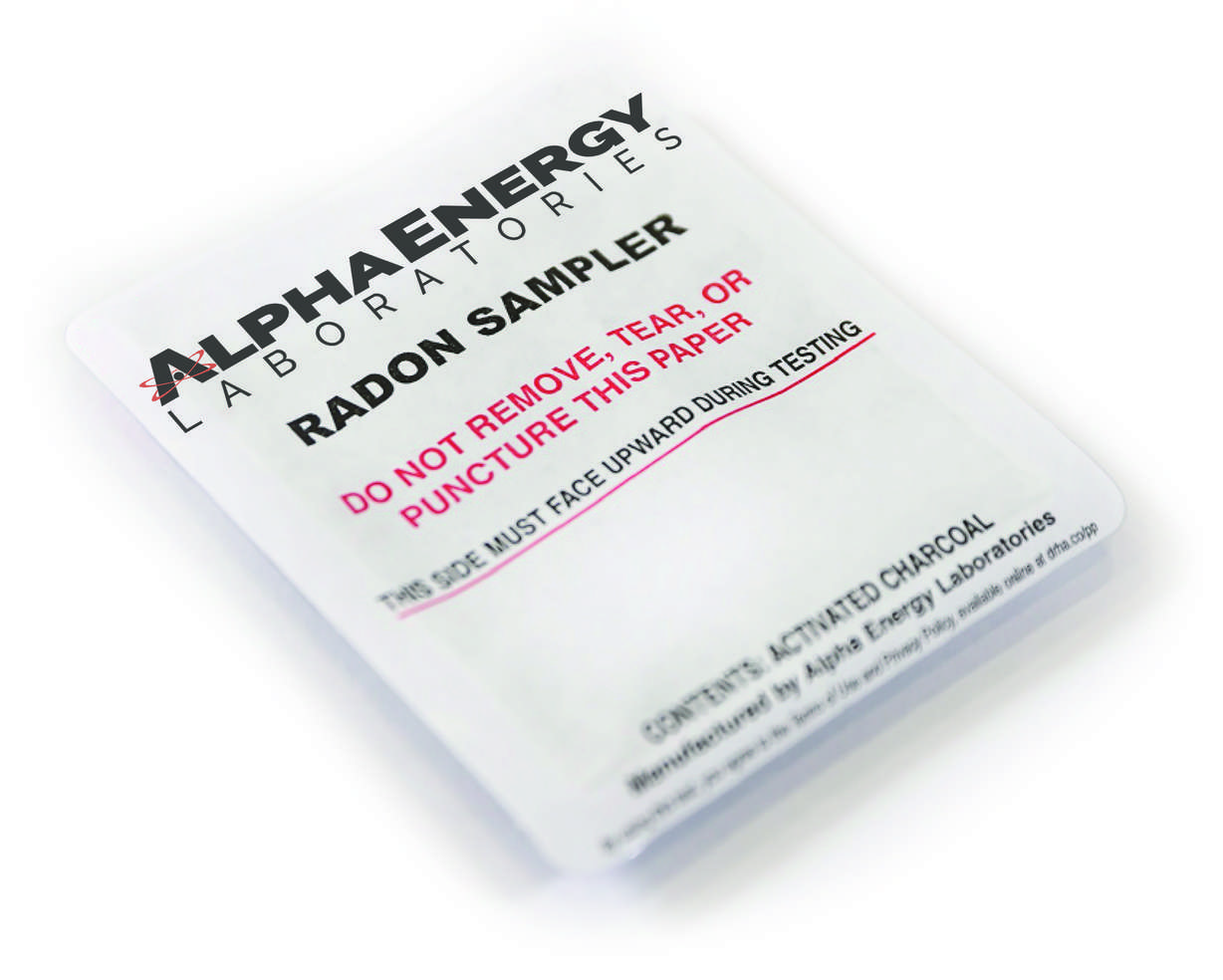
Testing for radon in the home is one of the easiest tests out there. If you order a free home test from Utah Radon, you'll receive a little packet in the mail that you place in the lowest areas of your home—especially the basement.
It needs to be undisturbed for 48-96 hours, so make sure it's in an area that won't get too much traffic from kids or pets.
About 12 hours before you start the test, you'll need to close all of your doors and windows.
Keeping them shut for the length of the test is critical. Of course you can go in and out of your house, but keeping your home's air as concentrated as possible will help the test detect the true levels of radon in your home.
Once the 48-96 hours are over, you'll seal the test back up and send it to an independent lab. Within a couple of weeks, you should have your results back. Contact a radon mitigation expert like Utah Radon Services for help understanding your results and action options.
Utahns educating others about the dangers of radon
Several Utahns are sharing their stories of finding radon in their homes after developing lung cancer.
One of those advocates is father, husband and avid outdoor athlete Bill Johnson of Park City.
He was diagnosed with "wildly metastatic" non-smoking lung cancer at the young age of 43. He says an MRI and CT scan showed it had moved throughout his body into his brain, spine, and hips.
His active and healthy lifestyle didn't line up with the diagnosis.
Even though he tested his home for radon 14 years earlier, levels can fluctuate over time. Johnson encourages Utahns to monitor their homes for radon throughout the years and seasons.

"There's a lack of education on radon and a lack of awareness," Johnson states. "And Utah in particular, we do know that it is a large contributor to non-smoking lung cancer."
Read and learn more about Bill's story on UtahRadon.org.
Order your free radon test kit
While radon is a significant danger to Utahns, a simple do-it-yourself test can tell you whether your home has a high radon level. If it does, a radon mitigation system can be installed to reduce exposure permanently.
Order a free radon test kit from UtahRadon.org to know your potential future home is safe for you and your family.