'%3e%3cpath%20d='M34.1406%205.85938C30.3906%202.10547%2025.3047%200%2020%200C14.6953%200%209.60938%202.10547%205.85938%205.85938C2.10938%209.61328%200%2014.6953%200%2020C0%2025.3047%202.10547%2030.3906%205.85938%2034.1406C9.61328%2037.8906%2014.6953%2040%2020%2040C25.3047%2040%2030.3906%2037.8945%2034.1406%2034.1406C37.8906%2030.3906%2040%2025.3047%2040%2020C40%2014.6953%2037.8945%209.60938%2034.1406%205.85938ZM37.0117%2023.543H31.1602V13.5391H27.6328V19.9414C28.1211%2020.6914%2028.3711%2021.582%2028.3711%2022.5625V22.625C28.3711%2023.668%2028.1172%2024.6055%2027.6328%2025.4297V26.6094H36.082C33.4883%2032.9375%2027.2891%2037.3789%2020.0039%2037.3789C10.3711%2037.3789%202.62109%2029.6289%202.62109%2020C2.62109%2010.3711%2010.3711%202.62109%2020%202.62109C29.6289%202.62109%2037.3789%2010.3711%2037.3789%2020C37.3789%2021.1484%2037.2617%2022.2656%2037.0508%2023.3477C37.0391%2023.4141%2037.0234%2023.4766%2037.0117%2023.543Z'%20fill='white'/%3e%3cpath%20d='M22.3086%2018.5352C20.4336%2018.125%2019.9531%2017.8398%2019.9766%2017.1836V17.1406C19.9766%2016.6992%2020.3477%2016.2148%2021.4023%2016.2148C22.582%2016.2148%2023.8867%2016.6797%2025.0781%2017.4766L26.8516%2015.0195C25.4453%2013.8906%2023.707%2013.3398%2021.5547%2013.3398C18.5195%2013.3398%2016.4375%2015%2016.4063%2017.4766V17.5352C16.3633%2020.2617%2018.5859%2020.9805%2021.293%2021.6016C23.0391%2021.9766%2023.5703%2022.3164%2023.5703%2022.9609L23.5469%2022.9766C23.5469%2023.3906%2023.2578%2023.7031%2022.7852%2023.8359C22.5742%2023.9062%2022.1289%2023.9727%2021.5156%2023.9727C20.7617%2023.9727%2019.7539%2023.8633%2018.6328%2023.4844C18.0898%2023.2891%2017.4727%2023.0039%2016.8047%2022.6133L20.1406%2026.625C20.2813%2026.6602%2021.0977%2026.8516%2021.7734%2026.8516C25.0039%2026.8516%2027.0859%2025.2461%2027.1094%2022.6328V22.5703C27.1602%2020.1133%2025.2148%2019.1719%2022.3086%2018.5352Z'%20fill='white'/%3e%3cpath%20d='M5.24219%2013.5664V26.6133H8.75391V23.7578L10.2969%2021.9531L14.2031%2026.6133H18.3867L12.3555%2019.5195L17.4023%2013.5664H13.4531L8.75391%2019.0586V13.5664H5.24219Z'%20fill='white'/%3e%3c/g%3e%3cdefs%3e%3cclipPath%20id='clip0_97_2430'%3e%3crect%20width='40'%20height='40'%20fill='white'/%3e%3c/clipPath%3e%3c/defs%3e%3c/svg%3e)



This archived news story is available only for your personal, non-commercial use. Information in the story may be outdated or superseded by additional information. Reading or replaying the story in its archived form does not constitute a republication of the story.
- Salt Lake City plans to spend millions of dollars this year on traffic safety amid growing residential demands.
- Residents express concerns over speeding and safety, urging more traffic calming measures.
- Future funding is uncertain due to state reviews and potential legislative changes.
SALT LAKE CITY — Utah's capital city spends tens of millions of dollars every year on projects requested by residents and community organizations.
And a public hearing in July about how that money is spent mirrored what Salt Lake City leaders say they hear regularly. Most who spoke advocated on behalf of safety in their neighborhoods, especially on the roads.
"I live on (800 West) and know firsthand that speeding cars are an ongoing issue that leads to noise pollution, property damage, cars struck by speeding vehicles, animal deaths, dangerous crossings for kids, and not to mention a feeling that car traffic is generally out of control," said resident Matthew Morris, adding that neighbors were eager to support a request he gave the city seeking more traffic calming on the road.
Others followed to express concerns in other parts of the city.
"We don't feel safe in our own neighborhood," said Jeff Bair, a member of the Liberty Wells Community Council, as he requested funding for traffic calming on a few streets in the area.
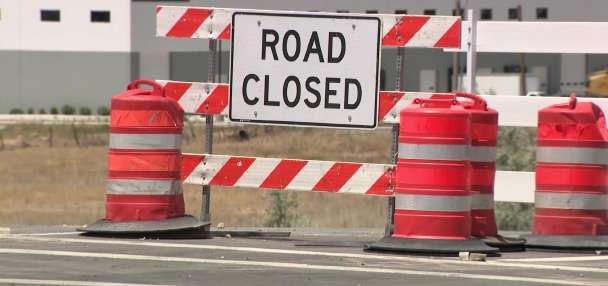
Traffic safety has been a major city issue for some time, and it could be a major focus again as Salt Lake City leaders work to finalize the city's capital improvement program budget for the 2026 fiscal year. However, the city's transportation director and city leaders say they're unsure how much they'll be able to support a growing number of residential demands in the future while they await a state review of traffic-calming measures.
A traffic-calming demand
Salt Lake City's capital improvement program funds dozens of relatively small city projects that residents and community organizations request. The City Council previously set aside $55.8 million for the program when it finalized its $512 million general budget ahead of the new fiscal year, which began in July. Members are expected to vote on how that money is spent during their meeting on Tuesday.
Over a dozen projects totaling about $12 million were requested this year specifically to address street safety, which could receive full or partial funding.
This includes $2.3 million that will be set aside for safety improvements citywide — with Redwood Road, 900 West and 800 South identified as the three "priority corridors" for roadway safety — and a little more than $1 million for new a high-intensity activated crosswalk, otherwise known as HAWK, systems, at the intersection of Richmond Street and Zenith Avenue in Sugar House.
Other smaller proposals are scattered throughout the city, while some requests focus on street, sidewalk, urban trail and signal improvements, which can also improve transportation safety. Close to $9 million is expected to be spent on traffic-calming measures when the appropriations are finalized, said Salt Lake City Council Vice Chairman Alejandro Puy.
"Every effort that we make as a city to make our cities, our streets safer — it's a (worthwhile) expenditure," Puy told KSL.com, adding that he's also aware that there are still many projects to go to fit the long list of requests the City Council receives every year.

Projects that improve traffic safety have become one of the more frequent requests every year, especially as the city's population grows and parts of the city that were once commercial or industrial have become more residential, including downtown.
The city points out that it has averaged 19 traffic fatalities on surface streets every year since the COVID-19 pandemic, and pedestrians and bicyclists account for nearly half of the people killed in that time. Puy said he's met with many people who have voiced concerns after they or family members were injured or nearly injured in their neighborhoods.
Salt Lake City's Community and Neighborhoods department also annually receives over 500 requests seeking to address traffic safety and speeding concerns.
"We're constantly working to balance the needs of all users. We want everyone to get home the same, regardless of whether they're walking, biking, driving, taking public transit, riding a scooter, etc.," said city transportation director Jon Larsen.
An uncertain future
However, finding that balance got trickier this year.
Utah lawmakers passed a bill that paused some of the city's road safety projects and required the Utah Department of Transportation to review the impact certain projects have had on roads. Earlier this month, UDOT wrapped up a survey exploring transportation experiences within the core of the city as part of that review. The agency will have a report that outlines how the city's transportation systems work for them, UDOT Region 2 deputy director Lisa Zundel said last month.
But some, including Puy, have raised concerns with the survey that UDOT conducted last month, arguing that the questions may have been directed more toward outside residents and drivers instead of residents and all road users.
It should be the voters of Salt Lake City who get to decide how their own city streets (are) managed.
–Salt Lake City Council Vice Chairman Alejandro Puy
Salt Lake City is also required to submit a mobility plan to the Utah Department of Transportation, which will outline future traffic-calming measures in the city. While the city has been coordinating its efforts with UDOT, Larsen said that process has made it difficult to plan for the future because it's left "so much uncertainty" when it comes to what types of projects will be permitted.
Future legislation could also cause ripples. Puy said the city has tried to approach street safety in a "thoughtful" way, but the uncertainty has left him uneasy about what types of road projects could be funded in future capital improvement program rounds or any other types of city funding.
"To me, I think it's astonishing that we are willing to put people's lives at risk for the sake of parking close to a shop or (saving) an extra 30 seconds on a drive," he said. "Every city in the state should worry that their residents will have little say in the future about how they get to use their own funds to pay for municipal improvements. ... It should be the voters of Salt Lake City who get to decide how their own city streets (are) managed."