Estimated read time: 4-5 minutes
This archived news story is available only for your personal, non-commercial use. Information in the story may be outdated or superseded by additional information. Reading or replaying the story in its archived form does not constitute a republication of the story.
SALT LAKE CITY — Members of the Salt Lake City Council could face fines for habitual absences, and may face suspensions or even be asked to resign if serious cases emerge, according to a new code of conduct approved Tuesday night.
The measure, which passed unanimously without much discussion, is believed to be the first of its kind for the government body. It outlines what members are expected to do, expected to avoid and what could happen if they fall short of their responsibilities and expectations.
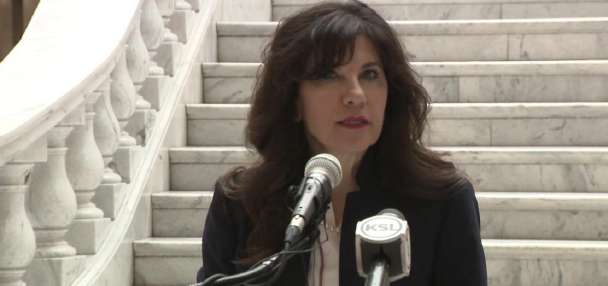
Salt Lake City Council Vice Chairwoman Victoria Petro told KSL.com on Wednesday that the code essentially formalizes the council's "intent that's been in place for a while," while helping the body professionalize as the job gradually moves away from being a part-time role.
Councilmembers are asked to "practice civility and professionalism" in all discussions and debates, and to respect colleagues, city employees and constituents at all times, the document states.
They are encouraged to attend every meeting, as possible, and avoid "personal commentary" while in a professional setting, both in person and online. It's also considered unacceptable to "show antagonism or hostility, lie or mislead, speak recklessly, spread rumors, or unnecessarily stir up divisiveness or controversy."
The code also outlines other scenarios of what is and isn't acceptable, and how violations are reported. The City Council's chair and vice chair are responsible for handling "significant" matters, especially if they go unresolved. Some cases could be investigated by the city attorney or an outside investigator, and be voted on by the entire council, depending on the situation.
Conduct violations may require "no further action," but fines, suspensions, loss of leadership roles and work travel opportunities can be imposed in some cases. A violator may also be asked to resign from their position.
There were no formal briefings or hearings ahead of the vote; however, the resolution had been brewing over the past two years.
No specific incident sparked the policy; rather, the idea began when Petro and some of her colleagues found themselves unsure what their role or place in the council was when they first took office, she said. The job's oath of office offered some insight, but it also left "a lot of room for interpretation." She essentially had to learn on the fly, by asking around what she could and couldn't do, as she tried to overcome a big learning curve.
The new policy aims to fix this issue about as much as outlining concerns over "big infractions." Petro explained the policy seeks to reduce personality conflicts and avoid a council that "takes shots at one another" so they can focus on bigger issues.
"We decided that we can't manage this growth trajectory and fight personality conflicts," she said. "We have to choose if we're going to be focused on and devoted to the policy and what's best for Salt Lakers or if we're going to get distracted by interpersonal issues or other things. This is a way to manage those big things ... but also the manage those small interpersonal interactions with each other."
Government leadership is also a revolving door, by design, which means those serving on a city council are always changing.
In Salt Lake City's case, Petro was sworn in for the first time in November 2021 and two newer members have been sworn in to serve on the seven-member entity since. The council should have another new member next month, after Eva López Chávez defeated District 4 incumbent Ana Valdemoros in last month's election.
So, Petro said, she pushed more for a defined code of conduct as she rose into a leadership role this year. There were some "tense debates" over what to include, but she said everyone generally agreed it would be beneficial to have moving forward.
The hope is every new member will enter the job with a better understanding of their role after they are elected or appointed.
"People come to this council experience with all different sorts of backgrounds and all sorts of different experiences, and this is just an equalizer — something that helps set the tone ... about what the expectations are," Petro said. "This is how we're going to engage ... and give everyone the same standing as they come into the council role."