
Estimated read time: 5-6 minutes
This archived news story is available only for your personal, non-commercial use. Information in the story may be outdated or superseded by additional information. Reading or replaying the story in its archived form does not constitute a republication of the story.
When it comes to landscaping, there seem to be many concerns and questions about when to plant for the best success and establishment of your plants. While it is true that in Utah's climate, you can plant anytime the ground is not frozen, there are specific times that work best.
Spring and fall in Utah are the preferred times to plant due to the cooler weather and more natural precipitation that occurs that helps establish plants. The summer heat can stress plants and make it hard for you to keep them alive. However, fall is the best time to plant if you want to worry less, easily establish plants, and save water.
Here are four reasons why fall is the best time to plant new landscape plants.
1. Mother Nature's help
When you buy a new plant and put it in the ground, it requires regular watering to avoid drying out as it is established. The soil needs to remain moist in order for their new, tender root systems to develop and move into existing soil. These plants are accustomed to being in pots and are watered daily or twice daily in the nursery.
Because water quickly evaporates from the soil during the summer months, the new plant's small root systems simply need more water to survive the heat. Spring and fall have cooler weather which allows soil moisture to be maintained longer between irrigation. However, in the fall, the temperatures are dropping and the days are getting shorter so less water is lost from the soil as the plant is growing and establishing. Planting in the fall means less water will be needed to keep the soil moist for your new plants and allow them to establish without heat and drought stress.
Planting grass from seed can be a real struggle during the hotter times of the year as well. The seed needs to remain moist to germinate, and once started, the new little roots quickly dry up. Irrigation needs to run multiple times a day to keep new seedlings alive. Planting new grass or overseeding existing lawns is much easier in the fall because things do not dry out as fast. Most lawns in Utah are cool-season grasses that prefer the cool temperatures even after they are well established.
2. Save some money
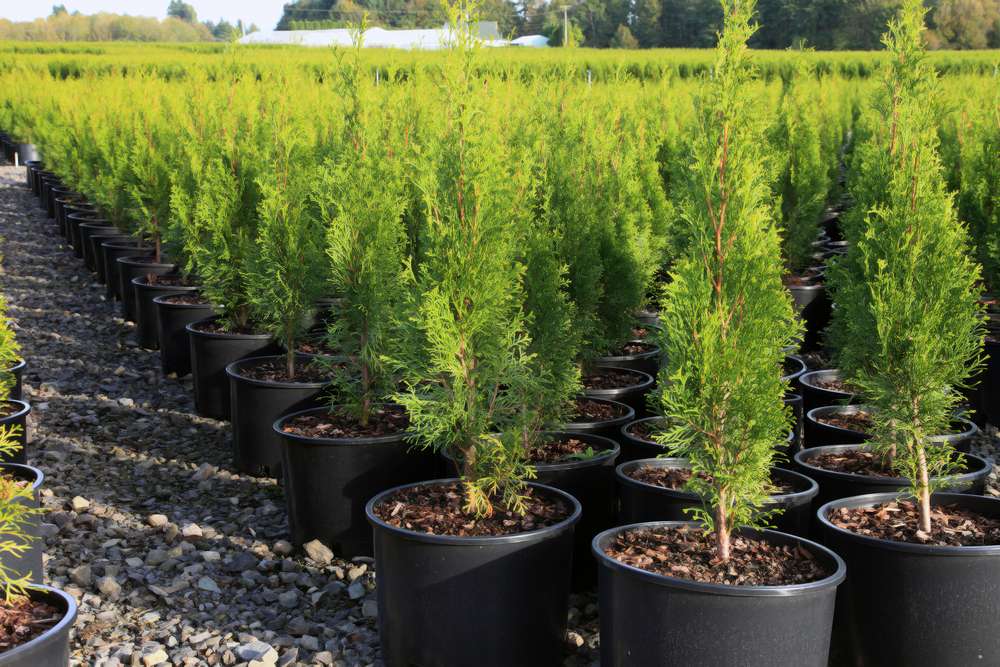
Another great reason to plant in the fall is that plant nurseries and home improvement stores move their plants to clearance prices towards the end of summer. It can cost quite a bit of money to replace lawn with perennials, trees, and shrubs or to purchase plants for a new landscape or existing flower bed. Purchasing plants at a discounted price can make a big difference in your budget, allowing you to buy more plants. The one downside to buying at the end of planting season is that there is often less selection at the nursery than in spring or summer. Check out the sales and see what is available that will work in your yard. If you cannot find what you need in the fall, then get the rest the next spring and get them started before it gets hot.
3. Enough time for establishment
Utah can have scorching hot summers which can add significant stress on new plants that do not have a well-established root system. When planting in the fall you usually do not have to worry about the winter cold. If a plant's USDA hardiness zone is at or below the hardiness zone where you live, it should survive the winter just fine, whether it has been planted this year and is brand new or last year and is well established.
Planting in the fall will give the new plants in your landscape enough time to establish before the ground freezes so that in the spring it is ready to grow and mature, rather than having to try to establish when temperatures are increasing. Landscapers will plant through the entire growing season, but it is harder to keep soils at proper moisture levels which can cause damage or death to your new plants. Too often plants are overwatered and drowned because homeowners and landscapers cannot keep an eye on them as well as they should. They set the sprinklers to run too often or plants are under-watered and die due to not enough water. Make it easier on yourself and plant when nature can help you out.
4. Cooler temperatures
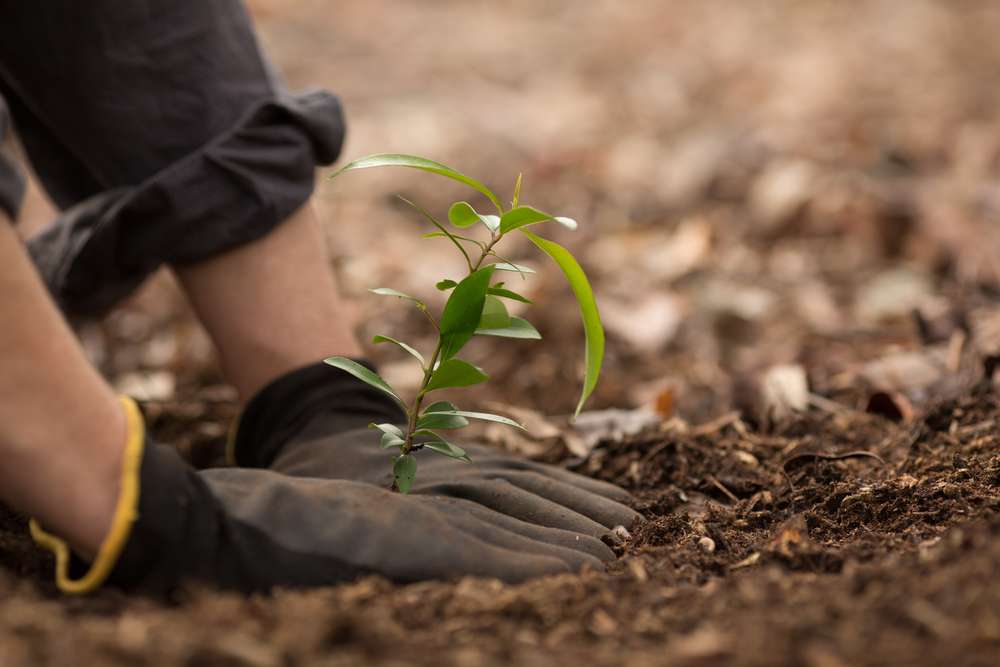
Yard work is more tolerable in the cool weather. While hot summers are simply a part of living in Utah, not everyone enjoys working outside in it. Changing up your landscape and doing some planting in the fall may be more enjoyable simply because it is cooler during the day, not just early in the morning and late at night. Take some time to get outside and enjoy the nice weather and plant something new in your yard. If you are considering lawn removal and re-landscaping, fall is a great time to get that done so that next spring your yard will look great as things really take off and start to mature.
Knowing when to plant can help you be successful in your garden. Whether you are looking to add some flower beds, plant a new lawn, fix existing areas, or even plant just one tree, fall is the ideal time. There is a lot of information available on planting techniques and planting varieties through the USU extension website. Weber Basin Water Conservancy District has information and free classes that you may find very useful in determining what to plant that is lower water, good for Utah's climate and works with Utah's soil types.
Visit weberbasin.gov for more information and to register for free classes. If you want to see some great demonstrations of plants in the landscape visit the Learning Garden at 2837 E. Highway 193 in Layton. It is open daily from 7:00 a.m. to 8:00 p.m., and it's free to visit and enjoy.







