'%3e%3cpath%20d='M34.1406%205.85938C30.3906%202.10547%2025.3047%200%2020%200C14.6953%200%209.60938%202.10547%205.85938%205.85938C2.10938%209.61328%200%2014.6953%200%2020C0%2025.3047%202.10547%2030.3906%205.85938%2034.1406C9.61328%2037.8906%2014.6953%2040%2020%2040C25.3047%2040%2030.3906%2037.8945%2034.1406%2034.1406C37.8906%2030.3906%2040%2025.3047%2040%2020C40%2014.6953%2037.8945%209.60938%2034.1406%205.85938ZM37.0117%2023.543H31.1602V13.5391H27.6328V19.9414C28.1211%2020.6914%2028.3711%2021.582%2028.3711%2022.5625V22.625C28.3711%2023.668%2028.1172%2024.6055%2027.6328%2025.4297V26.6094H36.082C33.4883%2032.9375%2027.2891%2037.3789%2020.0039%2037.3789C10.3711%2037.3789%202.62109%2029.6289%202.62109%2020C2.62109%2010.3711%2010.3711%202.62109%2020%202.62109C29.6289%202.62109%2037.3789%2010.3711%2037.3789%2020C37.3789%2021.1484%2037.2617%2022.2656%2037.0508%2023.3477C37.0391%2023.4141%2037.0234%2023.4766%2037.0117%2023.543Z'%20fill='white'/%3e%3cpath%20d='M22.3086%2018.5352C20.4336%2018.125%2019.9531%2017.8398%2019.9766%2017.1836V17.1406C19.9766%2016.6992%2020.3477%2016.2148%2021.4023%2016.2148C22.582%2016.2148%2023.8867%2016.6797%2025.0781%2017.4766L26.8516%2015.0195C25.4453%2013.8906%2023.707%2013.3398%2021.5547%2013.3398C18.5195%2013.3398%2016.4375%2015%2016.4063%2017.4766V17.5352C16.3633%2020.2617%2018.5859%2020.9805%2021.293%2021.6016C23.0391%2021.9766%2023.5703%2022.3164%2023.5703%2022.9609L23.5469%2022.9766C23.5469%2023.3906%2023.2578%2023.7031%2022.7852%2023.8359C22.5742%2023.9062%2022.1289%2023.9727%2021.5156%2023.9727C20.7617%2023.9727%2019.7539%2023.8633%2018.6328%2023.4844C18.0898%2023.2891%2017.4727%2023.0039%2016.8047%2022.6133L20.1406%2026.625C20.2813%2026.6602%2021.0977%2026.8516%2021.7734%2026.8516C25.0039%2026.8516%2027.0859%2025.2461%2027.1094%2022.6328V22.5703C27.1602%2020.1133%2025.2148%2019.1719%2022.3086%2018.5352Z'%20fill='white'/%3e%3cpath%20d='M5.24219%2013.5664V26.6133H8.75391V23.7578L10.2969%2021.9531L14.2031%2026.6133H18.3867L12.3555%2019.5195L17.4023%2013.5664H13.4531L8.75391%2019.0586V13.5664H5.24219Z'%20fill='white'/%3e%3c/g%3e%3cdefs%3e%3cclipPath%20id='clip0_97_2430'%3e%3crect%20width='40'%20height='40'%20fill='white'/%3e%3c/clipPath%3e%3c/defs%3e%3c/svg%3e)


Estimated read time: 3-4 minutes
This archived news story is available only for your personal, non-commercial use. Information in the story may be outdated or superseded by additional information. Reading or replaying the story in its archived form does not constitute a republication of the story.
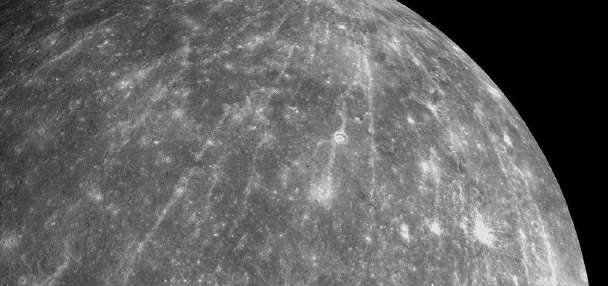
CAPE CANAVERAL, Fla. — Stargazers are in for a double treat this week: a rare blue supermoon with Saturn peeking from behind.
The cosmic curtain rises Wednesday night with the second full moon of the month, the reason it's considered blue. It's dubbed a supermoon because it's closer to Earth than usual, appearing especially big and bright.
This will be the closest full moon of the year, just 222,043 miles or so away. That's more than 100 miles closer than the Aug. 1 supermoon.
As a bonus, Saturn will be visible as a bright point 5 degrees to the upper right of the moon at sunset in the east-southeastern sky, according to NASA. The ringed planet will appear to circle clockwise around the moon as the night wears on.
This rare blue supermoon could raise tides above normal just as Hurricane Idalia lashes Florida's west coast, exacerbating flooding from the storm.
The moon was closest to the Earth on Wednesday, the same day Idalia made landfall as a high-end Category 3 hurricane near Keaton Beach in Florida's sparsely populated Big Bend region with maximum sustained winds near 125 mph.
While a supermoon can make for a spectacular backdrop in photos of landmarks around the world, its intensified gravitational pull also makes tides higher.
"I would say the timing is pretty bad for this one," said Brian Haines, the meteorologist in charge at the National Weather Service office in Charleston, South Carolina.
It's expected to make tidal flooding worse not only in Florida, but in states such as Georgia and South Carolina, where Haines' office has been warning residents that parts of Charleston could be under water by Wednesday night.
When the moon is full, the sun and the moon are pulling in the same direction, which has the effect of increasing tides above normal ranges, said Kerry Emanuel, professor emeritus of atmospheric science at the Massachusetts Institute of Technology.
The moon's gravitational pulls are even stronger when it's closer to Earth, so the tides are even higher.

The storm surge is often the greatest killer when hurricanes strike. The ocean water pouring onto land could be up to 15 feet along parts of Florida's west coast, the National Hurricane Center projected in its latest briefings Tuesday. Farther south, up to 7 feet of storm surge is expected in the Tampa Bay area.
Storm surge that can be taller than a person is a concern with any major hurricane. The tides and the influence of a supermoon can increase that somewhat.
"There's a saying that you hide from the wind and run from the water, and hopefully people are heeding that advice," said Brian Tang, associate professor of atmospheric science at University at Albany in New York.
The part of northwest Florida where Idalia made landfall Wednesday is especially vulnerable to storm surge because of the region's geography. The continental shelf extends so far out from the coast and has a gradual slope, allowing the ocean to grow higher as hurricane winds drive the water onto land, Tang said. The shape of the coast in that region — known as Florida's Big Bend area — is also curved inward, which can focus the storm surge to make it even more dangerous, he said.
In South Carolina, there's concern that Idalia's path will take it near the historic city of Charleston and the surrounding area known as the Low Country. That would add water to the high tide that's in the forecast, Haines said.
"Wednesday evening looks really nasty for coastal flooding here," he said.
The weather service is forecasting an 8.2-foot tide in Charleston on Wednesday evening, which could produce widespread flooding in downtown Charleston, Haines said. Even with a 7.5-foot tide, some roads in the city flood and become impassible, he said.
There won't be another blue supermoon until 2037, according to Italian astronomer Gianluca Masi, founder of the Virtual Telescope Project.