'%3e%3cpath%20d='M34.1406%205.85938C30.3906%202.10547%2025.3047%200%2020%200C14.6953%200%209.60938%202.10547%205.85938%205.85938C2.10938%209.61328%200%2014.6953%200%2020C0%2025.3047%202.10547%2030.3906%205.85938%2034.1406C9.61328%2037.8906%2014.6953%2040%2020%2040C25.3047%2040%2030.3906%2037.8945%2034.1406%2034.1406C37.8906%2030.3906%2040%2025.3047%2040%2020C40%2014.6953%2037.8945%209.60938%2034.1406%205.85938ZM37.0117%2023.543H31.1602V13.5391H27.6328V19.9414C28.1211%2020.6914%2028.3711%2021.582%2028.3711%2022.5625V22.625C28.3711%2023.668%2028.1172%2024.6055%2027.6328%2025.4297V26.6094H36.082C33.4883%2032.9375%2027.2891%2037.3789%2020.0039%2037.3789C10.3711%2037.3789%202.62109%2029.6289%202.62109%2020C2.62109%2010.3711%2010.3711%202.62109%2020%202.62109C29.6289%202.62109%2037.3789%2010.3711%2037.3789%2020C37.3789%2021.1484%2037.2617%2022.2656%2037.0508%2023.3477C37.0391%2023.4141%2037.0234%2023.4766%2037.0117%2023.543Z'%20fill='white'/%3e%3cpath%20d='M22.3086%2018.5352C20.4336%2018.125%2019.9531%2017.8398%2019.9766%2017.1836V17.1406C19.9766%2016.6992%2020.3477%2016.2148%2021.4023%2016.2148C22.582%2016.2148%2023.8867%2016.6797%2025.0781%2017.4766L26.8516%2015.0195C25.4453%2013.8906%2023.707%2013.3398%2021.5547%2013.3398C18.5195%2013.3398%2016.4375%2015%2016.4063%2017.4766V17.5352C16.3633%2020.2617%2018.5859%2020.9805%2021.293%2021.6016C23.0391%2021.9766%2023.5703%2022.3164%2023.5703%2022.9609L23.5469%2022.9766C23.5469%2023.3906%2023.2578%2023.7031%2022.7852%2023.8359C22.5742%2023.9062%2022.1289%2023.9727%2021.5156%2023.9727C20.7617%2023.9727%2019.7539%2023.8633%2018.6328%2023.4844C18.0898%2023.2891%2017.4727%2023.0039%2016.8047%2022.6133L20.1406%2026.625C20.2813%2026.6602%2021.0977%2026.8516%2021.7734%2026.8516C25.0039%2026.8516%2027.0859%2025.2461%2027.1094%2022.6328V22.5703C27.1602%2020.1133%2025.2148%2019.1719%2022.3086%2018.5352Z'%20fill='white'/%3e%3cpath%20d='M5.24219%2013.5664V26.6133H8.75391V23.7578L10.2969%2021.9531L14.2031%2026.6133H18.3867L12.3555%2019.5195L17.4023%2013.5664H13.4531L8.75391%2019.0586V13.5664H5.24219Z'%20fill='white'/%3e%3c/g%3e%3cdefs%3e%3cclipPath%20id='clip0_97_2430'%3e%3crect%20width='40'%20height='40'%20fill='white'/%3e%3c/clipPath%3e%3c/defs%3e%3c/svg%3e)






Estimated read time: 3-4 minutes
This archived news story is available only for your personal, non-commercial use. Information in the story may be outdated or superseded by additional information. Reading or replaying the story in its archived form does not constitute a republication of the story.
MOAB — A trooper's comment to a Utah sheriff's deputy who was twirling a lasso while searching for a Black man over the summer was inappropriate and "does not represent the practices" of the Utah Highway Patrol, the agency said Thursday.
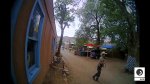
In body camera footage from July, trooper Brandan Custer is heard telling the Grand County sheriff's deputy, "I will corner him so you can rope him."
"Appreciate it," deputy Amanda Edwards replies. "We just need to get him on the run, like, 'run, now.'"
Custer didn't remember making the comment, according to Highway Patrol Sgt. Cameron Roden, but later recognized the voice in the recording as his own. Administrators at the Utah Department of Public Safety were reviewing the video, but no internal investigation had begun and no discipline was meted out as of Thursday, Roden said.
"In this instance, our trooper commented in jest to a statement made by the Grand County sheriff's deputy," Highway Patrol Maj. Beau Mason said in an emailed statement. "As we inquire into this matter, the trooper recognizes the inappropriate nature of what he said."
The Highway Patrol agrees the statement was inappropriate and "does not represent the practices of this trooper or the Utah Highway Patrol," Mason continued, but the agency determined "it did not appear racially motivated."
The trooper's employer counseled him on "maintaining professional conduct at all times to demonstrate our values of integrity and public trust," Mason added.
The deputy drew sharp criticism for searching for an African American man while twirling a rope, with leaders of Utah's Black community saying the video evokes the slave patrols and lynchings of centuries past.
But the video also invited questions about the behavior of Edwards' colleagues as she comes across them in Moab, a tourist town surrounded by red rock vistas in southeast Utah.
Related:
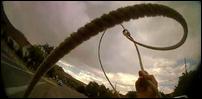
Utah deputy twirling lasso in search for Black man prompts calls for training, accountability
As a Grand County sheriff's deputy searches for a shoplifting suspect in July, a rope repeatedly pops into view of her body camera.Mario Mathis with Black Lives Matter said it's critical for law enforcers to step in when their colleagues aren't living up to their promise to serve their communities.
"There was nothing funny in that video," he said. The officers are seen discussing their plan "like it's a game," Mathis continued. "Like you're playing games with Black people's lives."
In the video, a fellow deputy had a warning for Edwards as she carried the lasso past homes and neighborhoods.
"That's going to look really bad, if you use that," he's heard saying.
"Better than a Taser," Edwards responds.
"There's a huge difference between passive discouragement and being assertive," Mathis said. "I don't see active bystandership happening in there."
Grand County Sheriff Steven White said his deputy's actions violated his department's policy, and she faced discipline as the result of an internal investigation. He wouldn't provide further details, and his department has not yet released documents related to the disciplinary action in response to KSL-TV's public records request.
There was nothing funny in that video.
–Mario Mathis, Black Lives Matter
White said he didn't notify any outside law enforcement agencies about their officers' conduct in the video.
Jeanetta Williams, president of the NAACP's Salt Lake branch, said she reviewed all manner of allegations against officers as a 20-year member of the West Valley City police civilian review board.
The video from Moab highlights a lack of education, Williams said. She noted police departments can mandate cultural and sensitivity training that supplements the curriculum taught in Utah's police academy.
"I definitely would recommend that," Williams added after reviewing the deputy's body camera video.
"This could happen in a small community," Williams continued, "but it reflects on the entire state of Utah."