'%3e%3cpath%20d='M34.1406%205.85938C30.3906%202.10547%2025.3047%200%2020%200C14.6953%200%209.60938%202.10547%205.85938%205.85938C2.10938%209.61328%200%2014.6953%200%2020C0%2025.3047%202.10547%2030.3906%205.85938%2034.1406C9.61328%2037.8906%2014.6953%2040%2020%2040C25.3047%2040%2030.3906%2037.8945%2034.1406%2034.1406C37.8906%2030.3906%2040%2025.3047%2040%2020C40%2014.6953%2037.8945%209.60938%2034.1406%205.85938ZM37.0117%2023.543H31.1602V13.5391H27.6328V19.9414C28.1211%2020.6914%2028.3711%2021.582%2028.3711%2022.5625V22.625C28.3711%2023.668%2028.1172%2024.6055%2027.6328%2025.4297V26.6094H36.082C33.4883%2032.9375%2027.2891%2037.3789%2020.0039%2037.3789C10.3711%2037.3789%202.62109%2029.6289%202.62109%2020C2.62109%2010.3711%2010.3711%202.62109%2020%202.62109C29.6289%202.62109%2037.3789%2010.3711%2037.3789%2020C37.3789%2021.1484%2037.2617%2022.2656%2037.0508%2023.3477C37.0391%2023.4141%2037.0234%2023.4766%2037.0117%2023.543Z'%20fill='white'/%3e%3cpath%20d='M22.3086%2018.5352C20.4336%2018.125%2019.9531%2017.8398%2019.9766%2017.1836V17.1406C19.9766%2016.6992%2020.3477%2016.2148%2021.4023%2016.2148C22.582%2016.2148%2023.8867%2016.6797%2025.0781%2017.4766L26.8516%2015.0195C25.4453%2013.8906%2023.707%2013.3398%2021.5547%2013.3398C18.5195%2013.3398%2016.4375%2015%2016.4063%2017.4766V17.5352C16.3633%2020.2617%2018.5859%2020.9805%2021.293%2021.6016C23.0391%2021.9766%2023.5703%2022.3164%2023.5703%2022.9609L23.5469%2022.9766C23.5469%2023.3906%2023.2578%2023.7031%2022.7852%2023.8359C22.5742%2023.9062%2022.1289%2023.9727%2021.5156%2023.9727C20.7617%2023.9727%2019.7539%2023.8633%2018.6328%2023.4844C18.0898%2023.2891%2017.4727%2023.0039%2016.8047%2022.6133L20.1406%2026.625C20.2813%2026.6602%2021.0977%2026.8516%2021.7734%2026.8516C25.0039%2026.8516%2027.0859%2025.2461%2027.1094%2022.6328V22.5703C27.1602%2020.1133%2025.2148%2019.1719%2022.3086%2018.5352Z'%20fill='white'/%3e%3cpath%20d='M5.24219%2013.5664V26.6133H8.75391V23.7578L10.2969%2021.9531L14.2031%2026.6133H18.3867L12.3555%2019.5195L17.4023%2013.5664H13.4531L8.75391%2019.0586V13.5664H5.24219Z'%20fill='white'/%3e%3c/g%3e%3cdefs%3e%3cclipPath%20id='clip0_97_2430'%3e%3crect%20width='40'%20height='40'%20fill='white'/%3e%3c/clipPath%3e%3c/defs%3e%3c/svg%3e)


Estimated read time: 4-5 minutes
This archived news story is available only for your personal, non-commercial use. Information in the story may be outdated or superseded by additional information. Reading or replaying the story in its archived form does not constitute a republication of the story.
Representative Judy Weeks Rohner, R-West Valley City, believes that saving even a few dollars at the grocery store checkout line can make a big difference in the lives of all Utahns. Especially the working middle class and people who are on a fixed income. That's why Rohner is supporting a bill to get rid of the state's 1.75% sales tax on food instead of cutting personal and corporate income tax.
Representative Rohner proposed a bill to the state legislature earlier this year, unfortunately the bill did not pass or receive a hearing. But that doesn't mean the fight is over. In fact, Rohner believes that passing this legislation is more important than ever, due to the ongoing effects of inflation.
Although the Republican supermajority currently favors the income tax cut over repealing the food tax, Rohner hopes she — and the voters — can change some minds. Here are a few of her reasons for supporting the bill.
Working families benefit more
Between cutting income tax and the sales tax on food, Rohner argues that the latter is more beneficial to working families. That's because they spend a greater portion of their income on groceries compared to the wealthy.
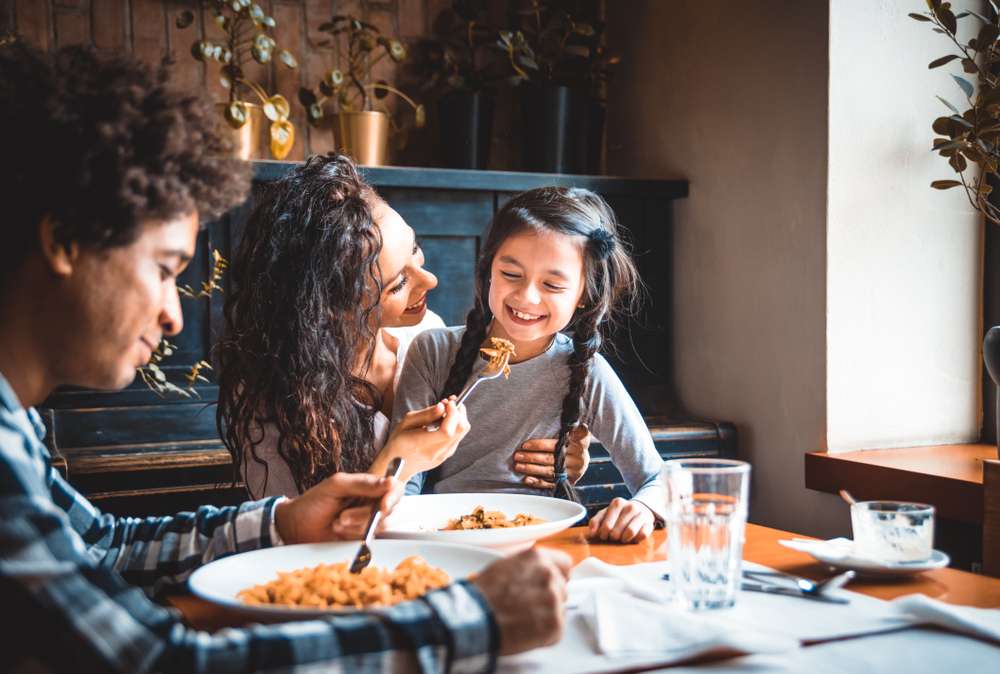
According to a survey released by the U.S. Bureau of Labor Statistics, she's right. The Bureau reported that working families spend almost twice their share of annual income on food than those in the highest-income bracket. After housing costs and transportation, food at home is the highest spending category for most families. For the highest-income families, it's fifth.
People should be able to afford the necessities
Rohner believes repealing the sales tax on food is the compassionate thing to do because no one should have to worry about putting food on the table. A recent study from Cornell University supports her views.
Harry Kaiser, the Gellert Family Professor at the Charles H. Dyson School of Applied Economics and Management at Cornell, co-authored the study, which found that even a slight grocery tax hike could hurt families.
"An increase of 1% to 4% may sound small, but after several trips to the grocery store, the extra costs can create serious burdens for the lowest-income families," Kaiser said. "We found that even the slightest increase in tax rate correlated to an increased likelihood of food insecurity. Grocery taxes that rose by just one percentage point led to a higher risk of hunger in households."
Bottom line: Eliminating the sales tax on food would decrease food insecurity.
Utah is one of only 13 states with a grocery tax
When it comes to states that tax on groceries, Utah is in the minority. Only 12 other states impose a grocery tax. Rohner also points out that the state benefits from rising inflation since it collects more tax revenue as prices go up. It's a practice she calls "despicable."
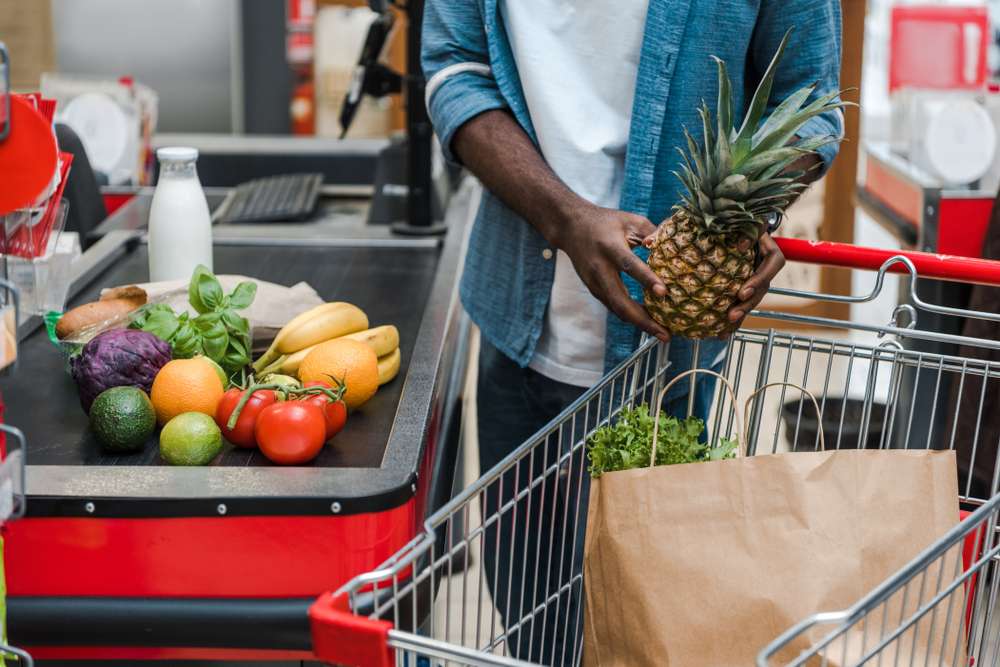
Interestingly, a Dan Jones and Associates poll found that a majority of Utahns favor cutting the sales tax on food over other tax cuts. KSLTV.com reported in February of this year that of the 814 Utahns polled, 33% preferred that the legislature reduce the sales tax rate on food. 32% favored a reduced income tax rate for all Utahns, 17% wanted to reduce sales tax on all goods and 15% preferred an income tax credit for food based on income level. Three percent said they didn't know.
Will the sales tax on food be repealed?
It's a long road for Rohner and her supporters to get their bill passed — but it's also not her first experience fighting for tax reform.
Rohner led a referendum effort to stop the 2019 Utah Legislature tax reform package, which would have created a 3.1% increase on the state sales tax on groceries, a 4.85% tax on gasoline and a 7% sales tax on services. After gathering enough signatures — in record time — lawmakers eventually repealed it.
In a Deseret News article from earlier this year, Rohner said that this current effort reminds her of that past fight.
"I kept telling people," she said. "It's like that little train ... 'I think I can, I think I can, I think I can.' And we did it. And that's what I'm telling people now. ... I know we can."
If they support repealing Utah's sales tax on food, Rohner urges people to contact their legislators so that the bill can gain traction.
"I know they listen," she said. "They did in 2020, and they will in 2022."