Estimated read time: 5-6 minutes
This archived news story is available only for your personal, non-commercial use. Information in the story may be outdated or superseded by additional information. Reading or replaying the story in its archived form does not constitute a republication of the story.
With snow and freezing temperatures approaching, you might be asking yourself if you need an SUV or truck to get through the winter. It's a great question, considering how unpredictable and volatile our winter weather can be. While all- or four-wheel drive might be helpful in the snow, that doesn't mean that you need to drive around a hulking SUV or truck the entire year just because the weather turns nasty for a few days. And really all-wheel drive might not be as safe as you think.
Nobody likes to slip and slide through traffic. But before you splurge on a new truck or SUV, consider the facts about winter driving and the number one way to stay safe this season.
How dangerous is winter driving?
Taking a look at the numbers, it's clear that driving in the winter is a major source of anxiety for many. According to the Federal Highway Administration, as reported by Consumer Reports, "41% of all weather-related car crashes on U.S. roads are due to conditions involving snow, sleet, ice, and slush."
Those are pretty sobering numbers, especially considering that adverse winter weather is confined to just a few months of the year in the United States. On average, there are over 150,000 injuries and 2,000 deaths each year due to winter weather-related crashes.
Auto manufacturers know this and play into the realities and fears of winter driving. They want to sell what they have decided is the solution to all your winter driving woes: all-wheel drive. All-wheel drive is a huge selling point with Americans, and vehicles equipped with the feature have vastly outsold vehicles without it. Perceived as a must-have, consumers have been inundated with the message that without all-wheel drive, you're as good as dead when the snow starts to fly.
So what is the truth? Are those commercials of SUVs tearing through snowdrifts, in complete control while on the way to grandma's house, accurate?
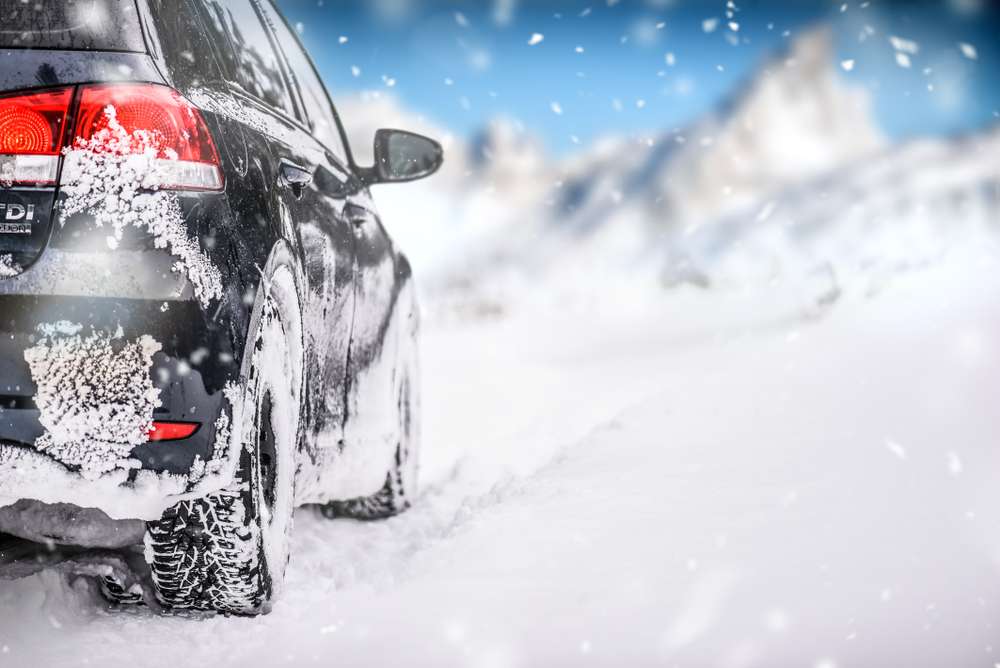
How does an SUV with all-wheel or four-wheel-drive benefit you?
While all-wheel drive can provide some benefit, as noted in Consumer Reports, that feature alone may not be enough to get you safely home, as anyone driving up or down 400 North in Bountiful during a storm can tell you.
Here's the crux of all-wheel drive: It's great for getting you moving in slippery conditions, but it has very little to do with the steering and braking performance of your vehicle. In other words, merely driving an all-wheel or four-wheel-drive SUV in the winter is not going to prevent all accidents.
What these studies have found to be the essential key in making all-wheel drive worthwhile is proper winter tires, as proven by Consumer Reports, Jalopnik, Car and Driver, Motor Trend, Tire Rack, Engineering Explained, and many other reputable outlets.
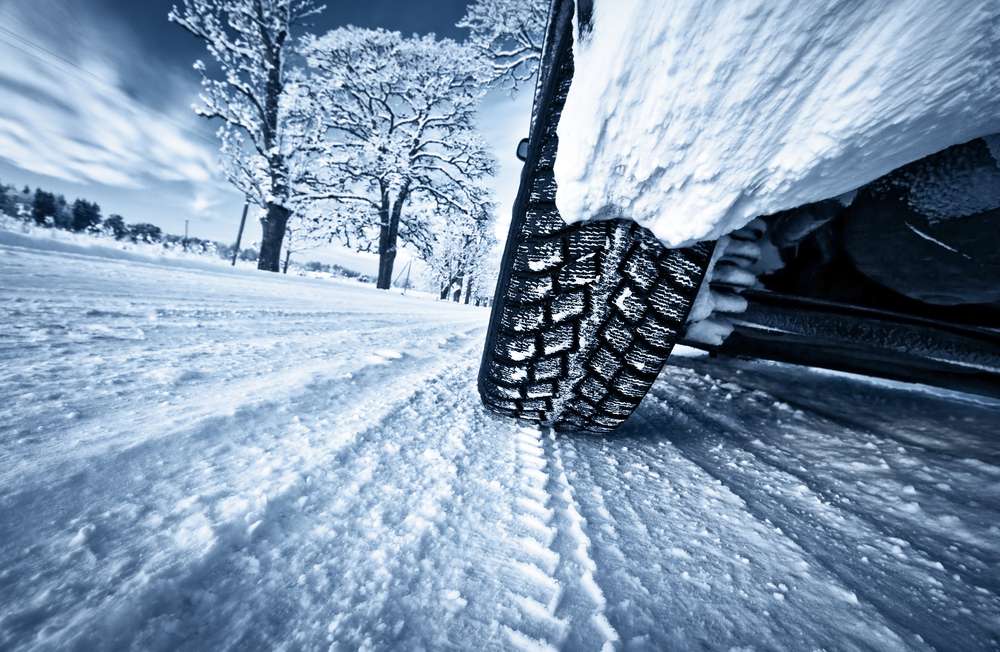
Why dedicated winter tires make all the difference, SUV or not
Now, before you start with the "But I have all-season tires!" argument, having all-seasons on your vehicle actually means you are getting a compromised tire. "All-season" means you have a tire that can perform in the summer, but not as well as a dedicated summer tire can, and you have a tire that can perform in the winter, but not as well as a dedicated winter tire can. It's literally a compromise in performance and a misleading title to boot. For top performance, "all-season" might as well be "no-season."
Besides, many consumers are unaware that while their car is outfitted with all-season tires, many of those tires are no good below 45 degrees Fahrenheit. The rubber hardens, and you might as well be driving around on hockey pucks. Dedicated snow tires are made from special rubber compounds that remain flexible during extremely cold temperatures, and can grip the snow and ice, keeping you in control of your handling and braking.
In all these tests, it is conclusively shown that, as stated by Consumer Reports, "using winter tires matters more than having an all-wheel-drive vehicle in many situations, and that the difference in snow and ice can be significant."
Jalopnik adds that "the differences between the two tires (on an all-wheel-drive car) are so stark … people fail to realize is that no matter your drivetrain configuration, the single thing connecting your choice of driven wheels to the ground are those little round pieces of rubber populating all four corners of your car."
Don't rely solely on marketing
Naturally, marketing might lead drivers to overestimate the capability of their all-wheel-drive SUV (looking at you, left-lane 90 mph-in-a-snowstorm-people) which could spell trouble when things turn slippery.
Don't be that person! With countless tests, it's a proven fact that all-wheel drive does little for your safety without proper tires. Don't risk your safety, or the safety of others, because of some false sense of security or confidence, stemming from misleading marketing. (Which, in the fine print, always says, "This car has been fitted with winter tires," or something to that effect.)
Trucks and SUVs are amazingly capable machines. Whether it's hauling cargo, gear or people, nothing can touch them. However, should you think that you need an SUV or truck for the winter, don't be too quick to go out and buy one for that specific purpose. No matter your vehicle, it will probably perform better when fitted with dedicated winter tires, than any SUV with all-seasons affixed.
Looking for a great winter car? With over 57,000 vehicles to choose from, KSL Cars has cars for every season.