'%3e%3cpath%20d='M34.1406%205.85938C30.3906%202.10547%2025.3047%200%2020%200C14.6953%200%209.60938%202.10547%205.85938%205.85938C2.10938%209.61328%200%2014.6953%200%2020C0%2025.3047%202.10547%2030.3906%205.85938%2034.1406C9.61328%2037.8906%2014.6953%2040%2020%2040C25.3047%2040%2030.3906%2037.8945%2034.1406%2034.1406C37.8906%2030.3906%2040%2025.3047%2040%2020C40%2014.6953%2037.8945%209.60938%2034.1406%205.85938ZM37.0117%2023.543H31.1602V13.5391H27.6328V19.9414C28.1211%2020.6914%2028.3711%2021.582%2028.3711%2022.5625V22.625C28.3711%2023.668%2028.1172%2024.6055%2027.6328%2025.4297V26.6094H36.082C33.4883%2032.9375%2027.2891%2037.3789%2020.0039%2037.3789C10.3711%2037.3789%202.62109%2029.6289%202.62109%2020C2.62109%2010.3711%2010.3711%202.62109%2020%202.62109C29.6289%202.62109%2037.3789%2010.3711%2037.3789%2020C37.3789%2021.1484%2037.2617%2022.2656%2037.0508%2023.3477C37.0391%2023.4141%2037.0234%2023.4766%2037.0117%2023.543Z'%20fill='white'/%3e%3cpath%20d='M22.3086%2018.5352C20.4336%2018.125%2019.9531%2017.8398%2019.9766%2017.1836V17.1406C19.9766%2016.6992%2020.3477%2016.2148%2021.4023%2016.2148C22.582%2016.2148%2023.8867%2016.6797%2025.0781%2017.4766L26.8516%2015.0195C25.4453%2013.8906%2023.707%2013.3398%2021.5547%2013.3398C18.5195%2013.3398%2016.4375%2015%2016.4063%2017.4766V17.5352C16.3633%2020.2617%2018.5859%2020.9805%2021.293%2021.6016C23.0391%2021.9766%2023.5703%2022.3164%2023.5703%2022.9609L23.5469%2022.9766C23.5469%2023.3906%2023.2578%2023.7031%2022.7852%2023.8359C22.5742%2023.9062%2022.1289%2023.9727%2021.5156%2023.9727C20.7617%2023.9727%2019.7539%2023.8633%2018.6328%2023.4844C18.0898%2023.2891%2017.4727%2023.0039%2016.8047%2022.6133L20.1406%2026.625C20.2813%2026.6602%2021.0977%2026.8516%2021.7734%2026.8516C25.0039%2026.8516%2027.0859%2025.2461%2027.1094%2022.6328V22.5703C27.1602%2020.1133%2025.2148%2019.1719%2022.3086%2018.5352Z'%20fill='white'/%3e%3cpath%20d='M5.24219%2013.5664V26.6133H8.75391V23.7578L10.2969%2021.9531L14.2031%2026.6133H18.3867L12.3555%2019.5195L17.4023%2013.5664H13.4531L8.75391%2019.0586V13.5664H5.24219Z'%20fill='white'/%3e%3c/g%3e%3cdefs%3e%3cclipPath%20id='clip0_97_2430'%3e%3crect%20width='40'%20height='40'%20fill='white'/%3e%3c/clipPath%3e%3c/defs%3e%3c/svg%3e)




Estimated read time: 3-4 minutes
This archived news story is available only for your personal, non-commercial use. Information in the story may be outdated or superseded by additional information. Reading or replaying the story in its archived form does not constitute a republication of the story.
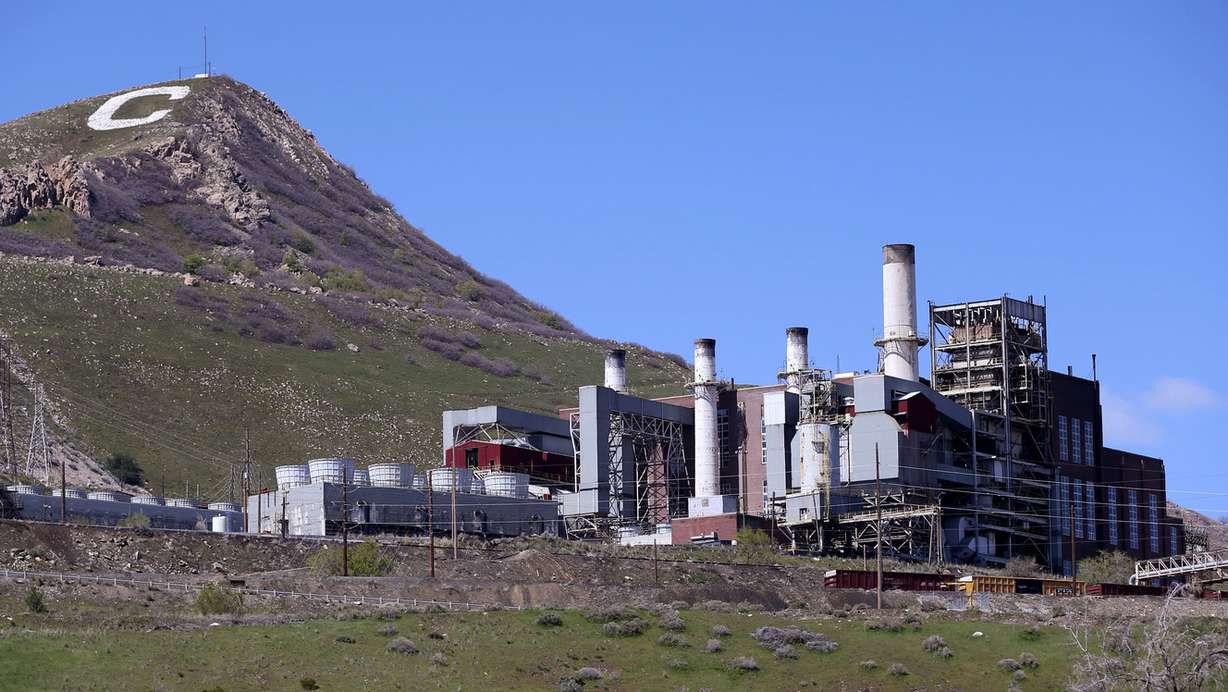
MAGNA — For decades, the Utah Power Plant located in Magna provided electricity that served as a reliable resource for mining at Kennecott. Now after 75 years of operation, the facility is shutting down for good.
State officials and clean air advocates hailed the move after Rio Tinto Kennecott Wednesday announced the official retirement of the plant following regulatory approval.
“With the closure of our plant and reduction in our emissions, we're going to see 6,000 tons of pollutants eliminated from the Salt Lake Valley airshed," Rio Tinto Kennecott managing director Marc Cameron said. "Rio Tinto Kennecott is making a significant investment as we move forward in renewable energy."
The company will use Green-e certified carbon-free renewable energy certificates for 1.5 million megawatt hours of electricity, primarily from Rocky Mountain Power’s portfolio of wind and solar resources, according to a news release. Speaking at a news conference at the power plant, Cameron said the plant retirement and green energy certificates will facilitate the removal of more than 1 million tons of carbon dioxide from Kennecott’s operations as well as lowering the company's annual carbon footprint by up to 65 percent.
It's an important milestone in achieving Rio Tinto’s ultimate goal of being carbon neutral by 2050, he added. He also noted that when the plant ceases operation, the 10 employees who work there will be placed in positions in other parts of the company's business, meaning there will be no lost jobs as a result of the power plant retirement.
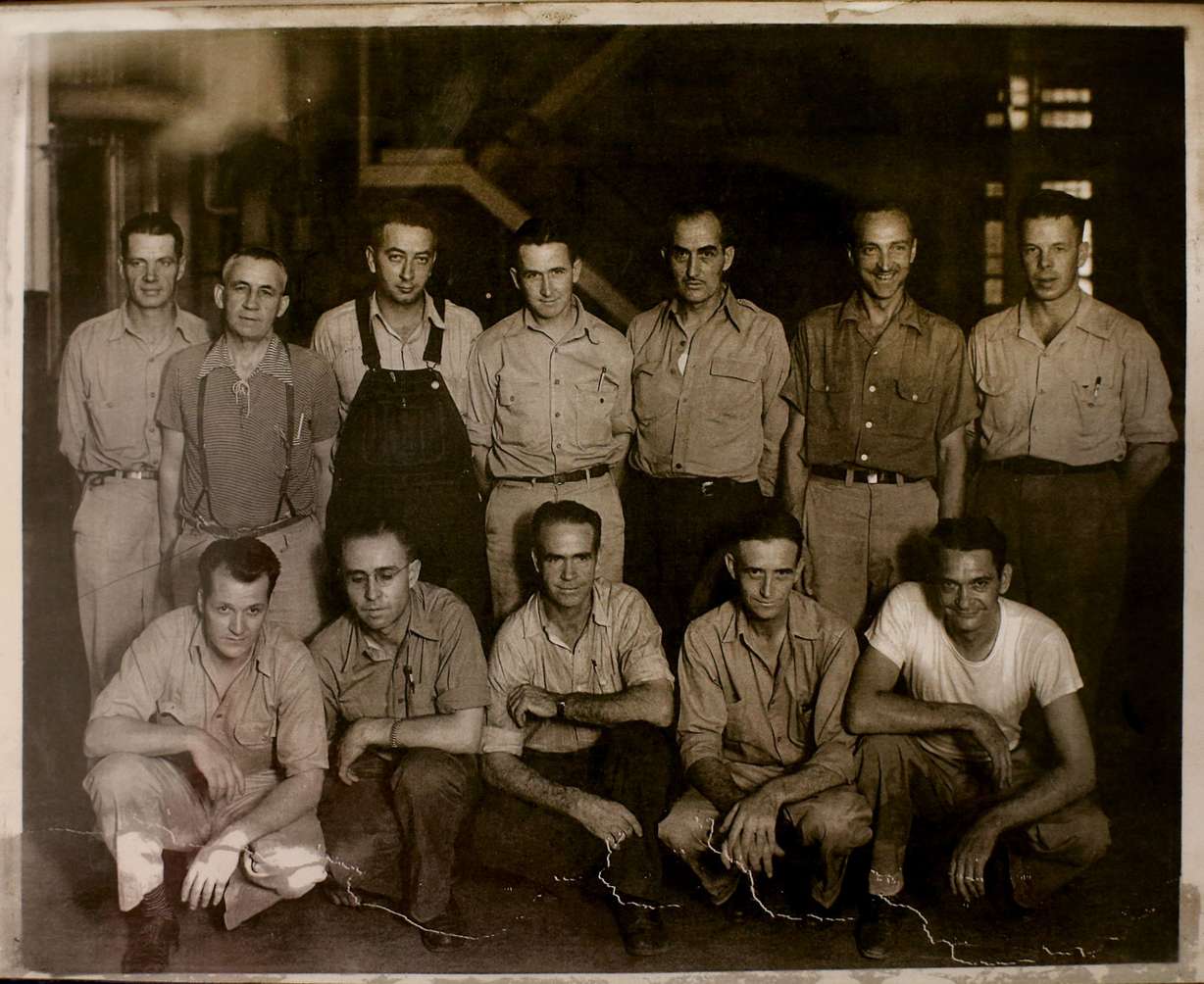
The power plant — which began operation in 1943 — is a four-unit, 175-megawatt thermal generator that runs on coal or natural gas, the release stated. The facility was originally put into operation to help the Allied war effort in World War II. Since then, it has served as an important power source for the mining business.
In the early 1990s, Kennecott began idling the plant during the winter to reduce carbon emissions that impacted cold weather inversions, Alan Matheson, executive director of the Utah Department of Environmental Quality, said. Now with the plant offline, pollution levels are expected to decrease noticeably, he said.
"The retirement of this plant is going to result in immediate benefits for the state," he said. "We're taking one of the major polluters out of our airshed. We're going to be eliminating the biggest producer of sulfur dioxide in the valley."
The plant produced many of the components that contributed to the area's summertime pollution, he added. While closing the plant may cost the company financially, the decision will help the community overall in the long run.
"This is a commitment to clean the air, be a responsible corporate citizen, make life better for their employees and for everybody that lives here, Matheson said.
UCAIR Executive Director Thom Carter called the plant closing "a big deal."
"When we can move any emission out of the valley — especially out of the airshed — it really affects us as we try and drive down any emissions base as well as make our air cleaner," he said. "Shutting it down completely will reduce emissions around the valley and clean our air."
He also noted that Rio Tinto Kennecott's shift toward green energy shows a level of engagement toward enhanced environmental stewardship in the future.
"Their commitment for all the power coming into Rio Tinto Kennecott being renewable really shows a long-term commitment, not just to air quality, but (also) to climate," Carter said. "We're really excited about that commitment."
State leaders hailed the choice to shutter the old facility in favor of renewable sources and improved air quality.
“Rio Tinto’s decision to retire their power plant is a win-win for our community," said Gov. Gary Herbert in a statement. "Their decision will simultaneously support Utah’s shift toward a low carbon economy and improve air quality in the Salt Lake Valley.”
“This latest initiative between Kennecott, Rocky Mountain Power, and our community leaders shows how continued collaboration leads to great solutions for our customers and the environment,” said Rocky Mountain Power CEO Gary Hoogeveen in a statement.