Estimated read time: 2-3 minutes
This archived news story is available only for your personal, non-commercial use. Information in the story may be outdated or superseded by additional information. Reading or replaying the story in its archived form does not constitute a republication of the story.
LOGAN — The Zika virus has arrived in Utah, but not inside a mosquito nor in the blood of a traveler from Brazil. Instead, the pathogen is secured in a laboratory at Utah State University as scientists there begin studies at the Institute for Anti-viral Research.
As mosquito-bourne viruses go, Zika is not new. It's been around since 1947 but hasn't really captured the spotlight until recently.
"We've seen a little bit of an emergence in the past five, maybe 10years but this last outbreak was unprecedented," said Dr. Justin Julander at the institute.
Traditionally, Zika has not made people very sick. So why now, in some countries, has the virus become a threat to a pregnant woman — possibly triggering defects in her unborn child? In a few adults as well, the virus appears to be linked to some forms of isolated paralysis. Has the virus changed?
"It's a little too early to say if that's the case but it likely has happened where the virus has gained some kind of adaptive advantage," Julander said.
The concern among researchers is where Zika is going. Is it threatening to travel down a similar path to the Chikungunya virus? Studies out of Texas show that pathogen mutated, allowing it to be transmitted easier by a different mosquito into more temperate areas.
Julander and his colleagues will take a close look at Zika, and when they handle the actual virus they'll do it inside specially designed laboratories. The Bio-Safety Level labs have multiple containment doors. Fresh air is pulled into the rooms. Any air leaving goes through a series of filters. Inside, researchers wear protective gloves, goggles and gowns.
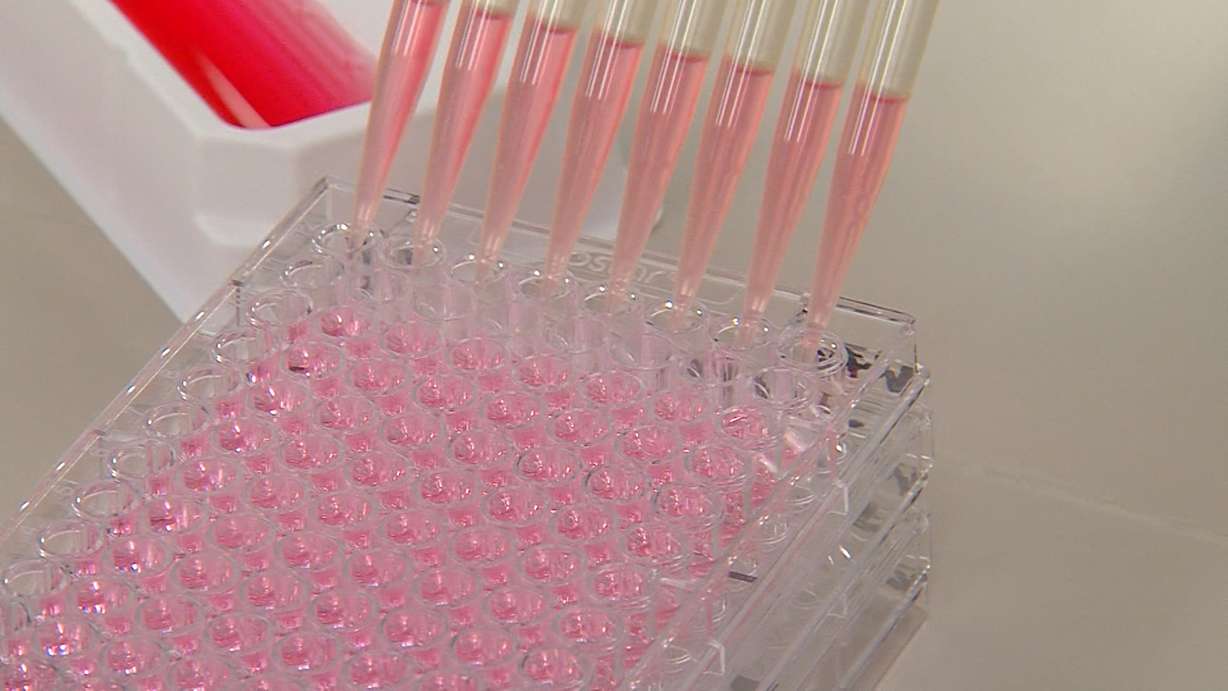
As researchers probe the virus in cell and animal models, they're seeking answers to a number of questions: Once in the body where does Zika go, which organs are targeted and which ones are more vulnerable, how long does it take to do damage, and most significantly what about treatments or a possible immunization?
"That's kind of our specialty here at the Institute for Anti-viral Research — to discover drugs to treat viral diseases," Julander said.
And those drugs may be the first line of defense.
"In yellow fever, for example, there's a very effective immunization vaccine but we still see outbreaks," Julander said. "In the case of Zika, we need to find some anti-viral treatments as well."
Because Zika is now a villain to be reckoned with, understanding its mechanism and then how to attack it will involve USU research teams in two different arenas working together at the same time.
"Because of the pressing need, we're kind of working in parallel and doing as much as we can as fast as we can," Julander said.