'%3e%3cpath%20d='M34.1406%205.85938C30.3906%202.10547%2025.3047%200%2020%200C14.6953%200%209.60938%202.10547%205.85938%205.85938C2.10938%209.61328%200%2014.6953%200%2020C0%2025.3047%202.10547%2030.3906%205.85938%2034.1406C9.61328%2037.8906%2014.6953%2040%2020%2040C25.3047%2040%2030.3906%2037.8945%2034.1406%2034.1406C37.8906%2030.3906%2040%2025.3047%2040%2020C40%2014.6953%2037.8945%209.60938%2034.1406%205.85938ZM37.0117%2023.543H31.1602V13.5391H27.6328V19.9414C28.1211%2020.6914%2028.3711%2021.582%2028.3711%2022.5625V22.625C28.3711%2023.668%2028.1172%2024.6055%2027.6328%2025.4297V26.6094H36.082C33.4883%2032.9375%2027.2891%2037.3789%2020.0039%2037.3789C10.3711%2037.3789%202.62109%2029.6289%202.62109%2020C2.62109%2010.3711%2010.3711%202.62109%2020%202.62109C29.6289%202.62109%2037.3789%2010.3711%2037.3789%2020C37.3789%2021.1484%2037.2617%2022.2656%2037.0508%2023.3477C37.0391%2023.4141%2037.0234%2023.4766%2037.0117%2023.543Z'%20fill='white'/%3e%3cpath%20d='M22.3086%2018.5352C20.4336%2018.125%2019.9531%2017.8398%2019.9766%2017.1836V17.1406C19.9766%2016.6992%2020.3477%2016.2148%2021.4023%2016.2148C22.582%2016.2148%2023.8867%2016.6797%2025.0781%2017.4766L26.8516%2015.0195C25.4453%2013.8906%2023.707%2013.3398%2021.5547%2013.3398C18.5195%2013.3398%2016.4375%2015%2016.4063%2017.4766V17.5352C16.3633%2020.2617%2018.5859%2020.9805%2021.293%2021.6016C23.0391%2021.9766%2023.5703%2022.3164%2023.5703%2022.9609L23.5469%2022.9766C23.5469%2023.3906%2023.2578%2023.7031%2022.7852%2023.8359C22.5742%2023.9062%2022.1289%2023.9727%2021.5156%2023.9727C20.7617%2023.9727%2019.7539%2023.8633%2018.6328%2023.4844C18.0898%2023.2891%2017.4727%2023.0039%2016.8047%2022.6133L20.1406%2026.625C20.2813%2026.6602%2021.0977%2026.8516%2021.7734%2026.8516C25.0039%2026.8516%2027.0859%2025.2461%2027.1094%2022.6328V22.5703C27.1602%2020.1133%2025.2148%2019.1719%2022.3086%2018.5352Z'%20fill='white'/%3e%3cpath%20d='M5.24219%2013.5664V26.6133H8.75391V23.7578L10.2969%2021.9531L14.2031%2026.6133H18.3867L12.3555%2019.5195L17.4023%2013.5664H13.4531L8.75391%2019.0586V13.5664H5.24219Z'%20fill='white'/%3e%3c/g%3e%3cdefs%3e%3cclipPath%20id='clip0_97_2430'%3e%3crect%20width='40'%20height='40'%20fill='white'/%3e%3c/clipPath%3e%3c/defs%3e%3c/svg%3e)


Estimated read time: 4-5 minutes
This archived news story is available only for your personal, non-commercial use. Information in the story may be outdated or superseded by additional information. Reading or replaying the story in its archived form does not constitute a republication of the story.
SALT LAKE CITY — A forum on police body cameras found little opposition Wednesday as a four-person panel all voiced support for their adoption in Utah and questioned whether they could bolster public trust in law enforcement.
Debate about officer-involved shootings has intensified in Utah, fueled by 13 deaths at the hands of police so far this year, as well as growing national tension after a grand jury in Ferguson, Missouri, opted not to indict officer Darren Wilson for shooting and killing 18-year-old Michael Brown.
Civil rights attorney Randall Edwards, who criticized militarized police while simultaneously voicing support for good officers striving to serve the public, drew loud applause as he argued that body cameras could prevent fatal officer-involved shootings.
"The best way to keep claims about use of excessive force from coming against officers is for them to stop using excessive force," Edwards said. "I believe that as an officer looks at the ladder of escalating force, he will be very, very circumspect about drawing his gun or weapon if he knows he is going to have to be accountable."
Edwards emphasized that a department's cost to outfit its officers with body cameras is less than what they would pay in a lawsuit.
Salt Lake City Police Chief Chris Burbank, amidst his longstanding support of body cameras, argued that cameras alone will not prevent deaths or establish trust in a community, but can document an officer's use of force for review, he said.
The best way to keep claims about use of excessive force from coming against officers is for them to stop using excessive force. I believe that as an officer looks at the ladder of escalating force, he will be very, very circumspect about drawing his gun or weapon if he knows he is going to have to be accountable.
–Randall Edwards, civil rights attorney
Burbank referenced the death of Dillon Taylor, 20, whose death was captured by the body camera of the officer who shot him outside a South Salt Lake convenience store. That footage was released in its entirety, Burbank pointed out. Officers had approached Taylor after receiving calls of someone in the area with a gun, though he was found to be unarmed after he was shot by officers.
In the July deaths Taylor in South Salt Lake and Timothy James Peterson, 31, footage from body cameras was used in Salt Lake County District Attorney Sim Gill's decision to clear the officers and deem the shootings justified.
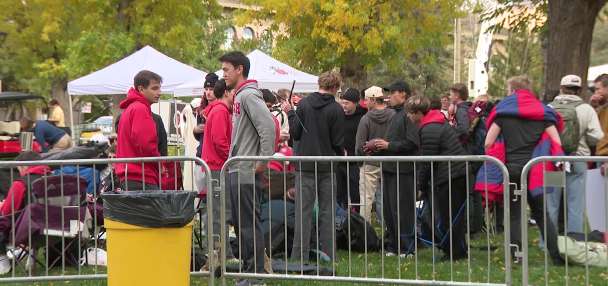
A large, young crowd packed the presentation organized by the John R. Park Debate Society at the University of Utah, which also raised questions about privacy issues and how much of the footage captured by police would be public record. As the floor was opened to questions from the audience, evidence of pent up frustration spilled out, shouting questions about racial profiling by police and Taylor's death.
Rep. Paul Ray, R-Clearfield, a member of the House Law Enforcement and Criminal Justice Committee, told the packed auditorium at the University of Utah that he does not anticipate a body camera mandate will be introduced in the upcoming legislative session, but he believes bills about the cameras could address policy requirements and funding to support departments purchasing them.
"Most of the chiefs that I have talked to would go for the cameras in a heartbeat. It comes down to cost," he said.
Ray also emphasized the protections the cameras provide to officers, including illustrating positive actions by police as well as citizen responses.
Related:
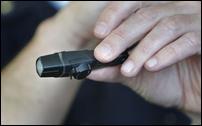
83 percent of Utahns want body cameras on police officers, poll shows
Utahns overwhelmingly favor police officers wearing body cameras, a new poll shows. But they're split on whether police are too quick to use deadly force."People are going to realize I can't be obnoxious to an officer and then deny I ever said that because we're going to have it on film," he said.
Anna Brower, public policy advocate for the American Civil Liberties Union of Utah, was the most outspoken member of the panel against privacy concerns in the public as body cameras are adopted by police. The ACLU of Utah is assisting members of the state Legislature to draft body camera legislation.
"Overall we think (body cameras) can be a win-win, but only if they're deployed within a framework of strong policies that ensure they protect the public without becoming yet another system for routine surveillance," she said.
Prior to the debate, members of the University of Utah Forensics Team presented a demonstration debate arguing that all police officers in the state should be required to wear and use body cameras while they are on duty.
Two students supporting body cameras assert they provide protection for both police officers and the public while providing firm evidence in criminal investigations. Two students speaking against the cameras argued they are overly expensive and cannot assure complete security.
A UtahPolicy.com poll released in September showed the state's enthusiastic support for the cameras.