
Estimated read time: 2-3 minutes
This archived news story is available only for your personal, non-commercial use. Information in the story may be outdated or superseded by additional information. Reading or replaying the story in its archived form does not constitute a republication of the story.
SALT LAKE CITY -- A new study reveals the majority of Utah schools aren't built to withstand a major earthquake.
We as structural engineers can say almost certainly those kinds of buildings pose a significant risk to their occupants in a major earthquake.
–Barry Welliver
Engineers with the Utah Seismic Safety Commission did a random survey of 128 schools throughout the state. They found many schools built before 1975 could be potentially dangerous in the event of an earthquake and may not meet seismic safety requirements.
"Those kinds of buildings pose a significant risk to their occupants in a major earthquake. You're going to experience it at some point and you don't want to know the consequences unfortunately," said Barry Welliver, a structural engineer who helped organize the study.
Those schools would likely suffer significant damage and put children and faculty at risk.
The study was a quick survey of schools to project what could happen during an earthquake.
It was a quick "sidewalk survey"... engineers say of the schools looked at:
- 77 do not meet seismic standards and may need to be replaced or retrofitted.
- Of those 77, 46 have a 10 percent chance of collapsing and 10 are almost certain to collapse.
Welliver says if an earthquake were to hit our state, many schools would not be able to withstand the damage.
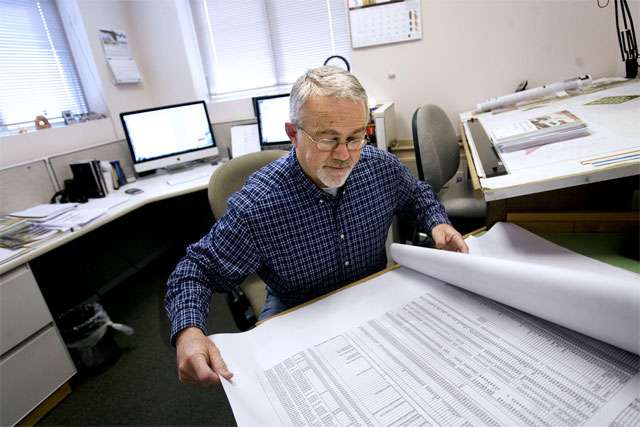
"Most particularly elementary schools, unfortunately," he said. "We as structural engineers can say almost certainly those kinds of buildings pose a significant risk to their occupants in a major earthquake."
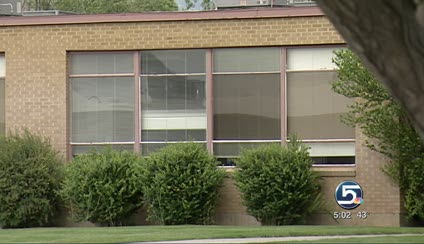
Many schools were built using a construction method called unreinforced masonry -- meaning the building is made up of multiple layers of brick laced together. Buildings are no longer constructed using that method.
The study was done to assist lawmakers as they discuss budget issues and what can be done to make schools safer.
Welliver says the state may not be able retrofit or rebuild all the older schools, but it can take incremental steps such as replacing roofs or remodeling several classrooms at a time to help improve the safety of the buildings.
The study did not release the names of the schools that were sampled. But engineers plan to present the results to lawmakers and hopefully persuade them to do a comprehensive study of all of Utah's schools.
--
Story compiled with contributions from Anne Forester and Randall Jeppesen.