'%3e%3cpath%20d='M34.1406%205.85938C30.3906%202.10547%2025.3047%200%2020%200C14.6953%200%209.60938%202.10547%205.85938%205.85938C2.10938%209.61328%200%2014.6953%200%2020C0%2025.3047%202.10547%2030.3906%205.85938%2034.1406C9.61328%2037.8906%2014.6953%2040%2020%2040C25.3047%2040%2030.3906%2037.8945%2034.1406%2034.1406C37.8906%2030.3906%2040%2025.3047%2040%2020C40%2014.6953%2037.8945%209.60938%2034.1406%205.85938ZM37.0117%2023.543H31.1602V13.5391H27.6328V19.9414C28.1211%2020.6914%2028.3711%2021.582%2028.3711%2022.5625V22.625C28.3711%2023.668%2028.1172%2024.6055%2027.6328%2025.4297V26.6094H36.082C33.4883%2032.9375%2027.2891%2037.3789%2020.0039%2037.3789C10.3711%2037.3789%202.62109%2029.6289%202.62109%2020C2.62109%2010.3711%2010.3711%202.62109%2020%202.62109C29.6289%202.62109%2037.3789%2010.3711%2037.3789%2020C37.3789%2021.1484%2037.2617%2022.2656%2037.0508%2023.3477C37.0391%2023.4141%2037.0234%2023.4766%2037.0117%2023.543Z'%20fill='white'/%3e%3cpath%20d='M22.3086%2018.5352C20.4336%2018.125%2019.9531%2017.8398%2019.9766%2017.1836V17.1406C19.9766%2016.6992%2020.3477%2016.2148%2021.4023%2016.2148C22.582%2016.2148%2023.8867%2016.6797%2025.0781%2017.4766L26.8516%2015.0195C25.4453%2013.8906%2023.707%2013.3398%2021.5547%2013.3398C18.5195%2013.3398%2016.4375%2015%2016.4063%2017.4766V17.5352C16.3633%2020.2617%2018.5859%2020.9805%2021.293%2021.6016C23.0391%2021.9766%2023.5703%2022.3164%2023.5703%2022.9609L23.5469%2022.9766C23.5469%2023.3906%2023.2578%2023.7031%2022.7852%2023.8359C22.5742%2023.9062%2022.1289%2023.9727%2021.5156%2023.9727C20.7617%2023.9727%2019.7539%2023.8633%2018.6328%2023.4844C18.0898%2023.2891%2017.4727%2023.0039%2016.8047%2022.6133L20.1406%2026.625C20.2813%2026.6602%2021.0977%2026.8516%2021.7734%2026.8516C25.0039%2026.8516%2027.0859%2025.2461%2027.1094%2022.6328V22.5703C27.1602%2020.1133%2025.2148%2019.1719%2022.3086%2018.5352Z'%20fill='white'/%3e%3cpath%20d='M5.24219%2013.5664V26.6133H8.75391V23.7578L10.2969%2021.9531L14.2031%2026.6133H18.3867L12.3555%2019.5195L17.4023%2013.5664H13.4531L8.75391%2019.0586V13.5664H5.24219Z'%20fill='white'/%3e%3c/g%3e%3cdefs%3e%3cclipPath%20id='clip0_97_2430'%3e%3crect%20width='40'%20height='40'%20fill='white'/%3e%3c/clipPath%3e%3c/defs%3e%3c/svg%3e)


Estimated read time: 5-6 minutes

This expert guide to choosing the ideal ceiling fan is sponsored by Lighting Design, winners of the 2025 Showroom of the Year Award by Dallas Market Center.
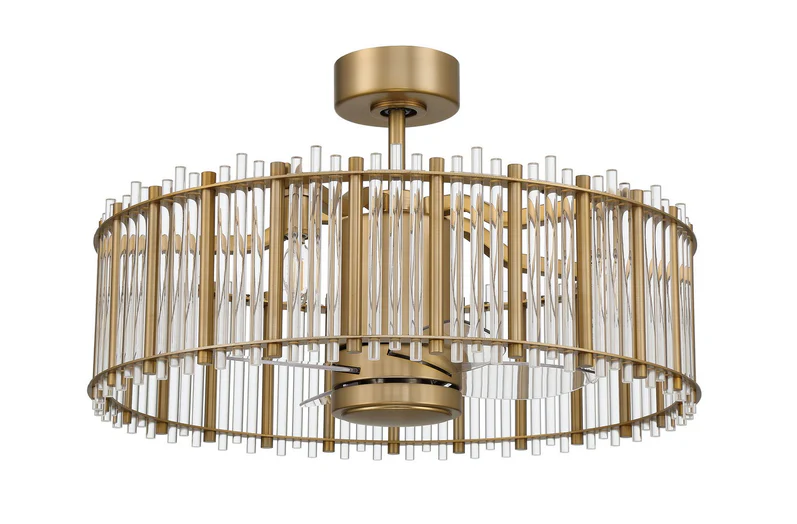
Choosing a ceiling fan might seem simple, but in reality, it can be anything but – especially since the right model can dramatically affect a room’s comfort, energy efficiency and overall aesthetic. With hundreds of styles, blade spans and motor types available, finding the right one can feel overwhelming. According to Lighting Design, selecting the ideal fan depends on three factors: proper sizing, cohesive style and smart lifestyle factors. Here’s what you need to consider when trying to find the perfect ceiling fan. Why size matters Ceiling fan performance is directly tied to blade span and room dimensions. A fan that is too small will struggle to circulate air, while one that is too large can overpower a space visually and physically. According to Lighting Design’s sizing guide, rooms under 100 square feet — such as small bedrooms or home offices — typically require a fan with a blade span between 36 and 44 inches. Medium-sized rooms between 100 and 225 square feet perform best with 44- to 52-inch fans. Larger living rooms or open-concept spaces up to 400 square feet often need fans measuring 52 to 60 inches. Great rooms or expansive areas may require models 60 inches or larger. Ceiling height is equally important. Standard 8-foot ceilings generally call for a low-profile or flush-mount fan to maintain adequate clearance. For ceilings higher than 9 feet, a downrod extension helps position the fan at the optimal height — usually 8 to 9 feet above the floor — for effective airflow. This proper sizing doesn’t just ensure comfort but also maximizes energy savings. During warmer months, fans create a wind-chill effect that allows homeowners to raise the thermostat without sacrificing your comfort. In winter, reversing the blade direction pushes warm air downward, improving heating efficiency. Style without sacrifice Today, ceiling fans are as much about design as they are about function. Think elevated aesthetics that offer sleek, architectural silhouettes and materials that complement a wide range of interiors. Brands like Hunter Fan and Minka Aire are widely recognized for combining performance with design-forward innovation. From minimalist matte black finishes to warm wood tones and sculptural blades, you have many options that can enhance rather than distract from your décor. If you’re looking for curated inspiration, Lighting Design highlights clean, modern models that blend seamlessly into contemporary homes. Their design-forward recommendations focus on fans that “won’t ruin your home aesthetic,” emphasizing streamlined profiles, integrated LED lighting and subtle finishes. Consider three visual elements when selecting a fan:
- Blade finish: Match or contrast with flooring and furniture tones.
- Motor housing: Coordinate with hardware finishes like brushed nickel, brass or black.
- Lighting integration: Decide whether the fan should include an integrated light kit or function purely for airflow.
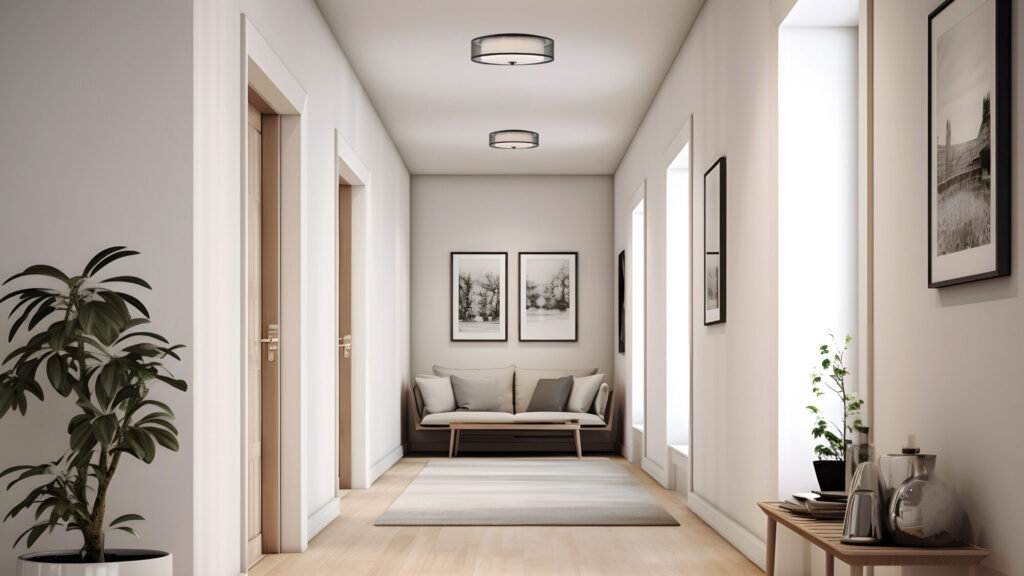
By treating the ceiling fan as a design feature rather than an afterthought, you can elevate the overall look of your space – while enhancing its function. Replacing a ceiling fan yourself For confident DIYers, replacing a ceiling fan can be a manageable weekend project — if you follow safety precautions carefully. Before beginning, turn off power at the breaker box, not just the wall switch. Use a voltage tester to confirm that wires are not live. Remove the existing fan or fixture, disconnecting wires and supporting the unit’s weight during removal. A ceiling fan must be mounted to an electrical box rated specifically for fan support. Standard light boxes may not be able to withstand the weight or vibration. If the existing box is not fan-rated, you’ll need to replace it. Once the new mounting bracket is secured, connect the wiring according to manufacturer instructions — typically matching black to black (hot), white to white (neutral) and green or bare copper to ground. After securing wire connectors and tucking them neatly into the box, attach the fan motor and blades, then test functionality once power is restored. If you’re uncomfortable working with electrical, consult a licensed electrician. Professional installation can ensure safety and warranty protection. Smart shopping and savings Like any home fixtures, ceiling fans range widely in price, from budget-friendly options to high-end designer models. If you’re looking to make a smart purchase, prioritize motor quality and warranty coverage over purely cosmetic features. Look for energy-efficient DC motors, which operate more quietly and consume less electricity than traditional AC motors. Many modern fans also include remote controls, smart home compatibility and reversible airflow settings. Purchasing from a specialized lighting retailer can give you access to both expert guidance and curated selections. Lighting Design offers detailed buying guides and room-size calculators to help consumers make informed decisions, along with design-focused recommendations tailored to modern interiors. Timing your purchase around seasonal sales — particularly during spring and late summer — can also help you save. The bottom line A ceiling fan is more than a cooling device; it’s a long-term investment in comfort, efficiency and design. Choosing the right size helps ensure proper airflow, while thoughtful styling enhances the room’s visual appeal. With reputable brands like Hunter Fan and Minka Aire leading the market, you have access to options that balance innovation with aesthetic refinement. If you’re in the market for a new ceiling fan, trust the experts at Lighting Design to help you choose the perfect model for your taste, lifestyle and space. This is a sponsored article brought to you by KSL TV in conjunction with the advertiser. The advertiser paid a fee to promote this article and may have influenced or authored the content. The views expressed in this article are those of the advertiser and do not necessarily reflect those of KSL TV, its parent company, or its staff.Privacy Policy