Estimated read time: 3-4 minutes
Many of us want to feel more connected to the food we buy.
There's a sense of pride and satisfaction in knowing that the food in our refrigerators came from local farmers. And when it comes to fresh foods like dairy, buying local often means getting a product that reaches store shelves quickly and stays fresh.
What many people don't realize, however, is that supporting local doesn't always mean shopping exclusively at farmers markets or roadside stands. One of the most local products in the grocery store may already be sitting in your refrigerator: milk.
Because milk is highly perishable, it moves quickly from farm to processing plant to store shelf, often staying remarkably close to home along the way.
In fact, many gallons of milk travel from the farm to the grocery store in 48 hours or less. And if you've ever wondered where your milk actually comes from, the answer may already be printed on the carton.
How to find out where your milk comes from
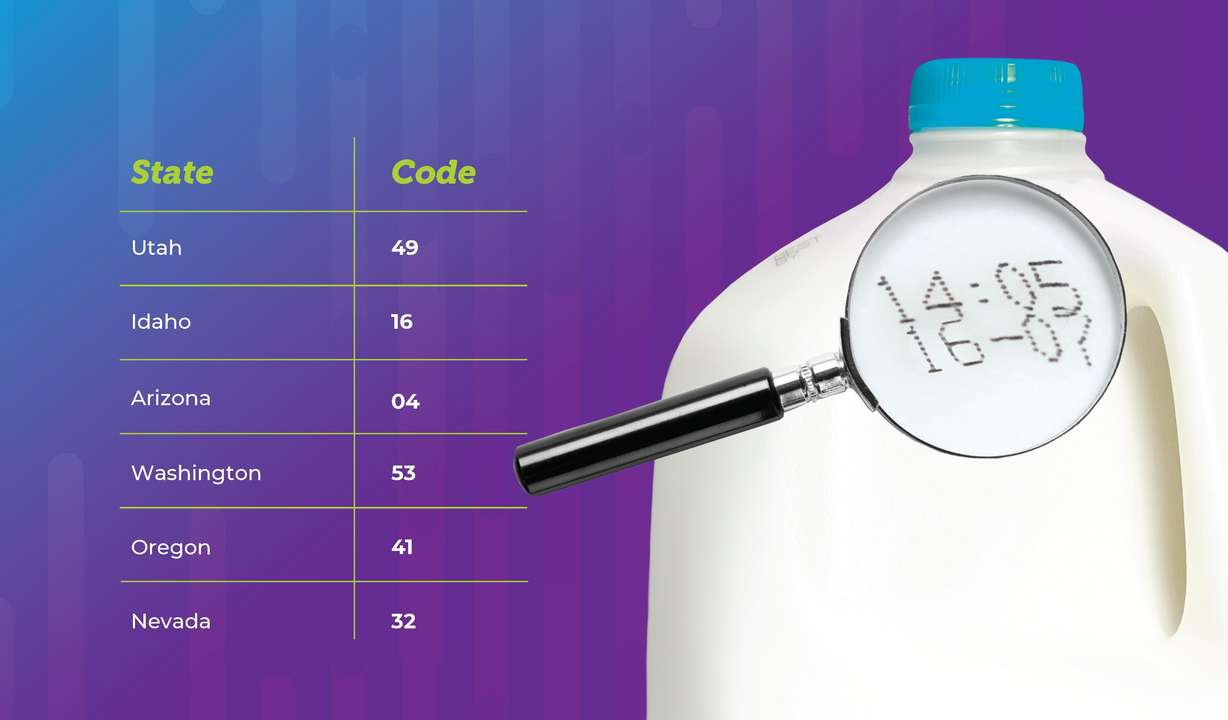
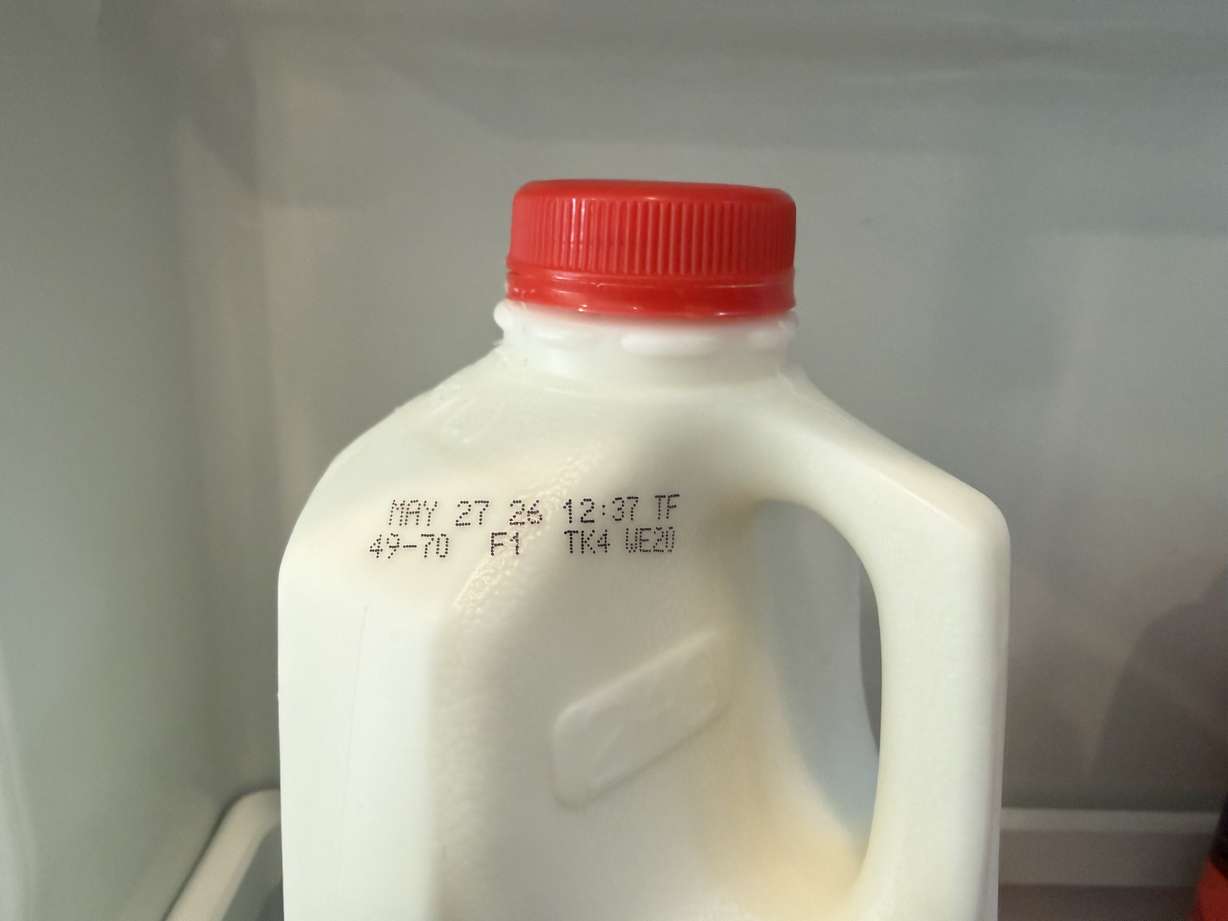
Most milk gallons don't include a clear label that says where the milk was produced. However, the answer can usually be found in the plant code printed near the sell-by date, which identifies the state where the milk was pasteurized and packaged.
Dairy products typically include a two-digit state code followed by a processing plant code. For example:
Utah = 49
Idaho = 16
Arizona = 04
Washington = 53
Oregon = 41
Nevada = 32
There's a good chance the milk in your fridge right now starts with one of these codes. Take a look and see where it came from.
Local milk may cross state lines
Even if your milk carton doesn't begin with your state's code, there's still a good chance nearby dairy farms helped produce it.
Dairy farms typically ship milk to the closest processing facility, which may be located in a neighboring state. Because milk moves through the system so quickly, regional dairy networks help keep products fresh while supporting local dairy communities.
According to U.S. Dairy, milk travels an average of about 315 miles from farm to store — often far shorter than many other foods that may travel across the country or internationally before reaching grocery shelves. That relatively short distance helps maintain freshness, taste and quality.
Whether you buy a local brand, store brand or national label, many milk products still rely on milk sourced from regional dairy farms.
More than just milk
Milk does more than top off your cereal or fill your glass. It also supports local economies, jobs and communities.
The U.S. Department of Agriculture states that approximately 97% of U.S. dairy farms are family-owned and operated. That means every carton of milk helps support dairy farm families working every day to help nourish their communities and produce fresh, high-quality food.
Dairy farms also support a wide network of local businesses many people never think about.
From feed suppliers and veterinarians to truck drivers, grocery workers and processing plant employees, the dairy industry helps sustain thousands of jobs in local communities. When families choose milk at the grocery store, they're helping support an entire system of people working together to keep fresh dairy products on store shelves.
As an added bonus, milk is also a highly nutritious food that provides protein, calcium and other essential nutrients for children and adults alike.
Learn more
The next time you pick up a gallon of milk, take a look at the code printed near the top of the carton.
You may discover your milk came from much closer to home than you realized — supporting dairy farm families, local communities and a fresh food system along the way.
Learn more at DairyWest.com.