Estimated read time: 4-5 minutes
Think about the foods that were in your refrigerator when you were growing up.
Chances are, some of those same foods are still in your fridge today.
Milk. Cheese. Yogurt. Ice cream.
In a world where food trends seem to change every week, dairy has remained a familiar staple for generations. But while those foods may look familiar, the dairy products we enjoy today are very different from the ones our parents and grandparents grew up with.
Take a walk through the dairy aisle and you'll see what we mean.
There are high-protein milks and lactose-free options. Yogurt that supports gut health. Convenient grab-and-go snacks like cheese sticks, drinkable yogurts, protein shakes and cottage cheese packaged with fruit. Even products once considered niche have become household staples.
Today's dairy case reflects changing diets, preferences and consumer needs — all while delivering the nutrition, flavor and quality people have trusted for generations.
And that evolution shows no signs of slowing down.
In honor of June Dairy Month, here's a look at how research and food science are helping shape the future of dairy while building on a foundation consumers have loved for decades.
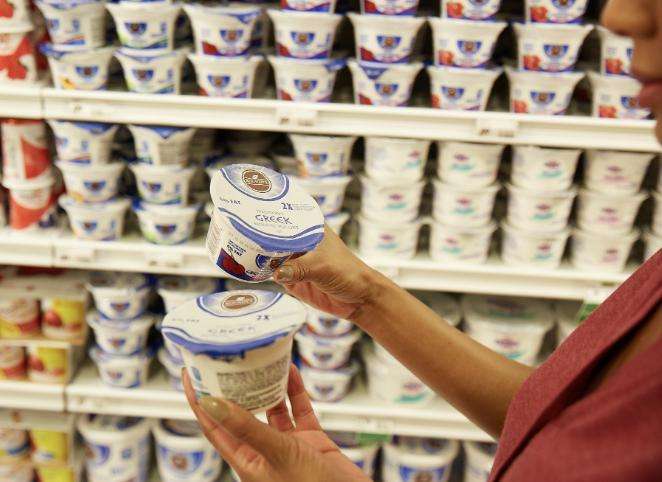
A different dairy case than your parents knew
Many of the dairy products people enjoy today didn't exist a generation ago.
Consumers are looking for foods that fit into busy schedules. They're paying closer attention to protein, ingredient lists and overall wellness. Some are looking for products that support active lifestyles, while others simply want convenient, nutritious foods they can grab on the go.
The dairy category has responded.
Look at the dairy case and you'll see far more variety than previous generations had.
Beyond traditional milk, cheese and yogurt, consumers can now choose ultra-filtered milks with additional protein, convenient snack packs, zero-sugar options and a growing variety of dairy-based beverages.
Innovation is also happening behind the scenes. Advances in processing technology have helped create products with longer shelf lives, improved convenience and new nutritional benefits. Even ingredients that were once considered byproducts have found new life. Whey, a natural part of cheesemaking, is now used in everything from protein powders to nutrition bars and beverages.
The result is a dairy case that offers more choices than ever while still delivering the taste and nutrition consumers expect.
Following the consumer
According to Dr. Minto Michael, Director of Research and Innovation at Dairy West, consumer preferences play a major role in shaping the future of dairy.
"Today's consumers are paying closer attention to their foods and ingredients," Michael said.
They want foods that support their health, provide convenience and deliver quality. Consumers are also increasingly interested in transparency, sustainability and locally produced foods.
"Dairy companies are using research and innovation to create products that meet these expectations while continuing to provide the nutrition and flavor that dairy is known for," Michael said.
Michael says the goal isn't innovation for innovation's sake.
It's about understanding what people want from their food and finding new ways to deliver it.
Research helps dairy companies identify emerging trends, improve products and develop new options that continue meeting consumers where they are.
The result is a category that continues evolving while staying true to the qualities people value most.
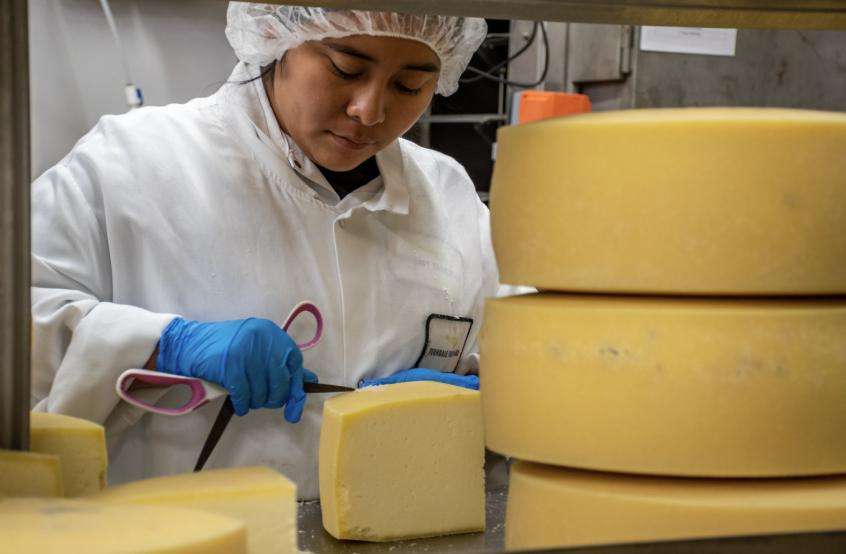
Where new ideas come from
Behind many of the products on grocery store shelves are researchers, universities, processors and farmers working together to bring new ideas to life.
One example is BUILD Dairy, a Dairy West initiative that connects dairy companies with universities and researchers throughout the country.
The program supports research projects, student learning opportunities and industry partnerships that help move dairy innovation forward.
Michael says these partnerships are essential because universities provide a place where new ideas can be explored, technologies can be tested and future industry leaders can be trained.
"Through partnerships with dairy producers and processors, academic institutions help translate research into practical solutions that benefit farmers, businesses and consumers alike," he said.
Investing in research today helps ensure that dairy continues meeting consumer needs for years to come.

Some things never change
For all the changes happening in the dairy aisle, the reasons people choose dairy remain remarkably consistent.
Dairy continues to provide important nutrients in forms that are familiar, accessible and enjoyable.
"Innovation in dairy is continuous because consumer needs, nutritional science and food technologies are constantly evolving," Michael said.
"Whether it's developing new processing techniques, creating products with enhanced health benefits or reducing environmental impact, dairy continues to evolve while building on its strong foundation as a nutritious and trusted food."
Dairy's staying power comes from its ability to adapt while remaining one of the most familiar and trusted foods in the refrigerator.
To learn more, visit DairyWest.com.