
Estimated read time: 4-5 minutes
We all have things we hope will last.
Maybe it's a family recipe written on a stained index card. A grandfather's watch. A tradition that gets passed down year after year. These are the things families protect, preserve and hope to hand to the next generation.
For dairy farm families, that legacy is the farm itself.
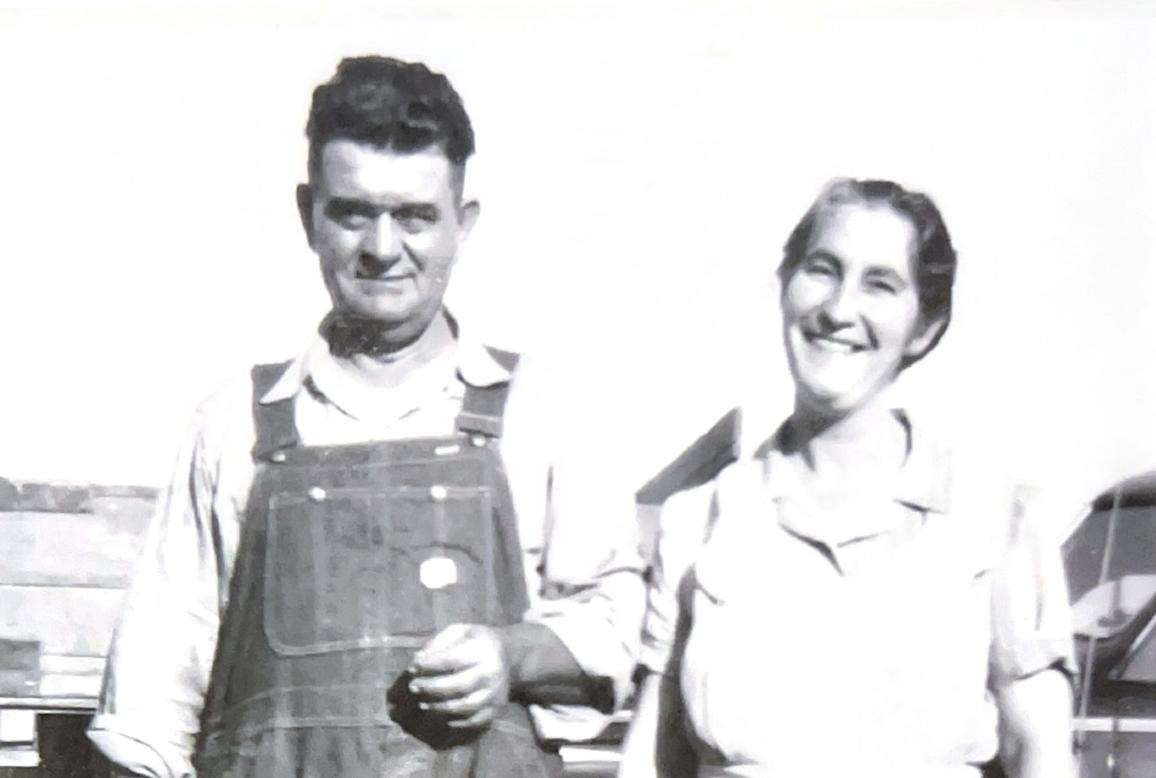
That's the mindset Alex Papageorge carried with him when he immigrated from Greece to the United States in the early 1900s. After growing up on a farm in Greece, he felt called back to agriculture and purchased farmland in Farr West, Utah, in the 1920s.
Alongside his wife, Anastasia, he started a dairy with just eight cows and a dream of building something that would last.
100 years later, that same farm is still operating and is celebrating its centennial year in 2026.
Today, Pappy's Farm is run by the third and fourth generations of the Papageorge family. Over the past century, the family has completed an estimated 73,000 milking shifts and raised generations of dairy cattle — all while adapting to an industry that has changed dramatically over time.
Building a farm for future generations
Like many family farms across the country, the Papageorge family has continuously evolved to keep the farm moving forward. According to the U.S. Department of Agriculture, roughly 96% of U.S. farms are family-owned.
Many of those farms survive because each generation builds on the work of the last while preparing the operation for the future.
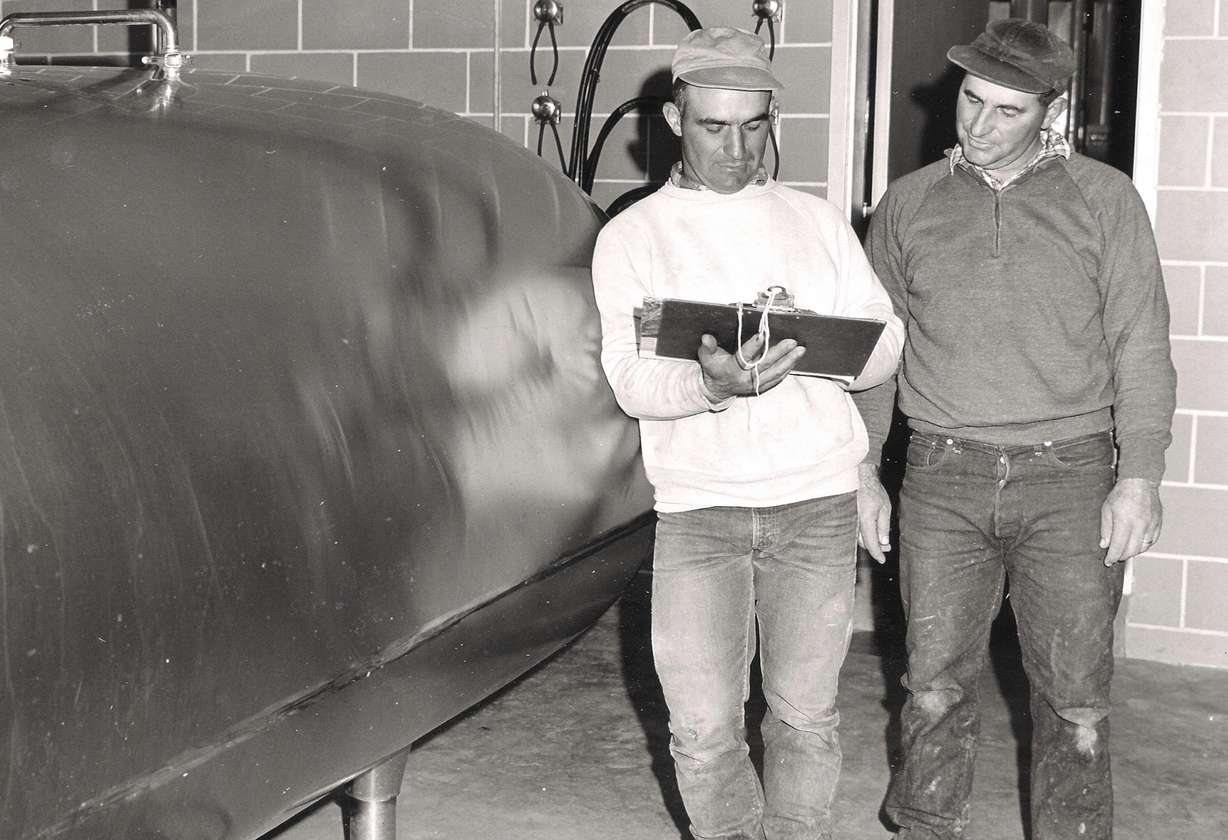
For the Papageorge family, that has meant modernizing the dairy, improving breeding practices and optimizing animal care.
"We take pride in having high-quality cattle, and that is made possible by keeping the cows healthy and comfortable," Ted Papageorge said. "We honor tradition by always staying focused on providing the best care for our cattle just as our past generations have."
Today, the farm raises registered Holstein and Jersey cattle. Through intentional breeding decisions over generations, the family has worked to improve the quality and efficiency of their herd.
Combining tradition and progress
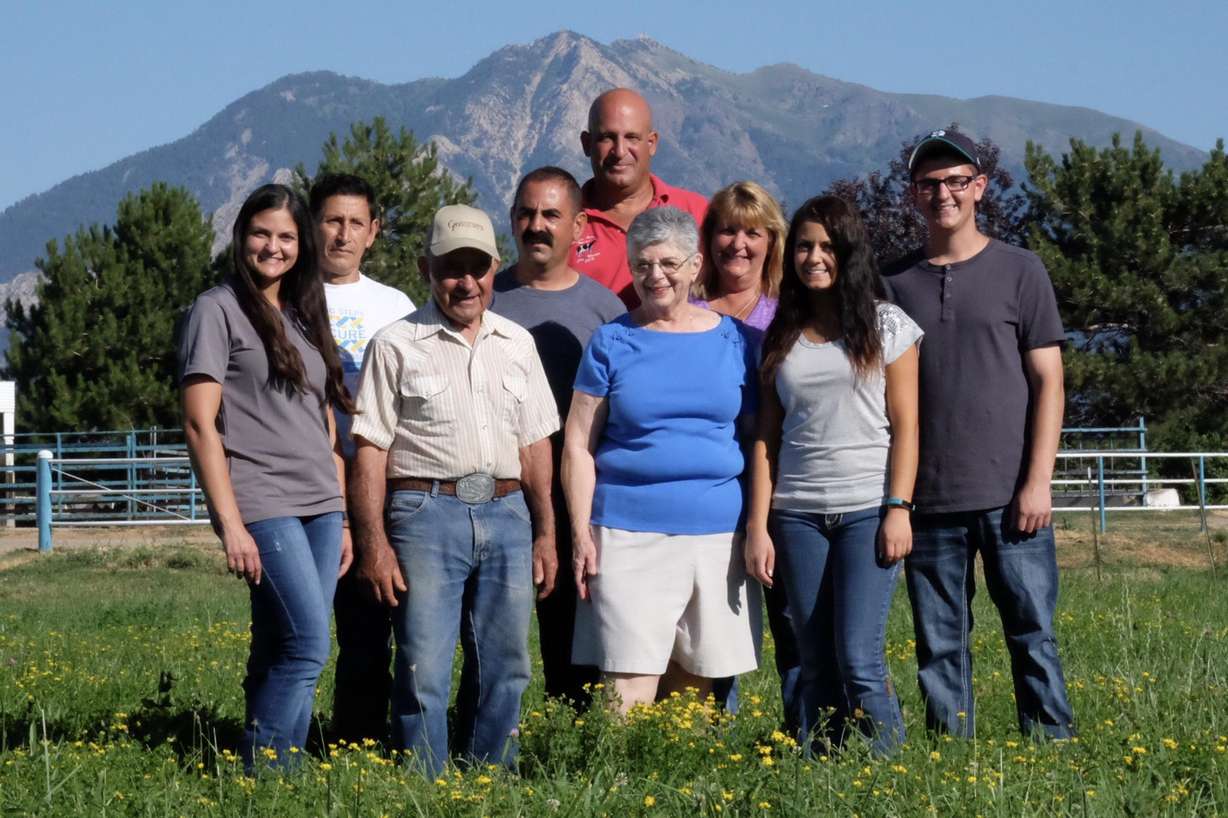
Ted's children, Lacey, Lexie and Landon, now represent the fourth generation working closely with Ted and farm manager, Jim Manni.
"By using all of the data available to us, we are able to improve our cattle with each generation," Lacey explained.
That long-term mindset is part of what keeps family farms operating decade after decade. Every decision — from genetics to feed to water use — is made with the future in mind.
"Our dairy only exists today because past generations had a goal to pass the farm down to their children," Lacey said. "Every decision we make as farmers is made with the future in mind."
That mindset has become increasingly important as dairy farming continues to evolve.
Compared to decades past, today's dairy farms produce more milk while using fewer resources. According to a 2020 Journal of Animal Science study, producing a gallon of milk required significantly less water, land and fewer cows in 2017 than it did just 10 years earlier.
Farmers continue adopting new technologies and management practices that improve efficiency while helping care for animals and resources responsibly.
More than a business
But even with all the advancements, some things on the farm haven't changed: Family remains at the center of everything.
For Lacey, some of her favorite memories come from growing up alongside multiple generations on the dairy — riding tractors with her grandfather, helping move cattle and gathering with extended family at the farm for birthdays, holidays and celebrations.
"Being the fourth generation of my family to work on our dairy farm is an honor," Lacey said. "Because of the dedication and hard work put forth by my family and everything they have passed down, I have the privilege to do what I am passionate about."
After 100 years, Pappy's Farm stands as more than a dairy. It's a reminder that farming is rarely built overnight. It's built generation by generation — through hard work, adaptability and families committed to preserving something meaningful long into the future.
To learn more about dairy farming and sustainability efforts across the region, visit DairyWest.com/sustainability.