Estimated read time: 5-6 minutes
Every Independence Day, Americans celebrate freedom.
They celebrate a nation that declared, nearly 250 years ago, that independence was worth fighting for. They gather with family and friends. They attend parades, light grills, watch fireworks, listen to music, and share stories across generations. The Fourth of July is filled with sound, but more importantly, it is filled with connection.
And as America celebrates its 250th birthday in 2026, the meaning of independence feels even bigger. America 250 is not just a celebration of the past. It is a reminder that freedom must be protected. It must be renewed. It must be passed forward.
The same is true of personal independence.
For most people, independence means staying in your own home, driving your own car, managing your own health, participating in conversations, enjoying family events, and making your own decisions. It means not needing someone else to interpret the world for you. It means being present, confident, safe, and connected.
But for millions of Americans living with untreated hearing loss and tinnitus, independence slowly starts to disappear.
It does not usually happen all at once. It begins quietly. You ask your spouse, "What did they say?" a few more times than you used to. You turn the television louder. You avoid noisy restaurants. You stop enjoying family gatherings because following conversations has become exhausting. You let someone else answer questions at the doctor's office because you are not sure you heard everything correctly. Tinnitus begins to fill the quiet moments, and before long, silence is no longer peaceful. You depend on background noise, maskers, fans, apps, or machines just to get through the day or fall asleep at night.
At first, these changes seem small. They may even feel manageable. But over time, they can reshape a person's life. Untreated hearing loss and tinnitus do not simply affect what you hear. They affect how you live.
That is why the medical treatment of hearing loss and tinnitus is one of the most important things you can do to maintain — and regain — independence.
Get treated to become independent from using your spouse as your ears.
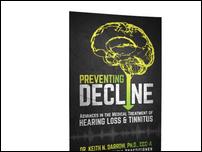
Free book offer
Want to learn how hearing loss affects brain health, memory, and independence? Request your copy of "Preventing Decline" today at HBCABookOffer.com and discover the steps you can take to protect your hearing and cognitive health.Treatment helps restore the partnership
When hearing loss is properly treated, the goal is not simply to make sounds louder. The goal is to improve clarity, reduce listening effort, and help the brain regain access to the speech and environmental sounds it has been missing. That means a spouse no longer has to carry the burden of every conversation. It means the person with hearing loss can participate more fully, respond more confidently, and reclaim their role in daily life.
That is independence.
Get treated to become independent from a shrinking world
Human beings are built for connection. They need conversation, stimulation, activity, laughter, and purpose. When hearing loss makes those things harder, people often withdraw. And withdrawal carries real consequences. Social isolation, reduced communication, listening fatigue, and loss of confidence can all affect emotional health, cognitive engagement, and overall quality of life.
This is why hearing care must be treated as medical care. Hearing loss is not just about the ears. Hearing happens in the brain. Listening requires attention, memory, processing speed, and effort. When the brain receives an incomplete or distorted signal, it has to work harder to make sense of the world. That extra effort can leave people feeling drained, frustrated, and disconnected.
Treatment helps reopen the world
Untreated hearing loss has repeatedly been associated with increased risk of cognitive decline and dementia. That does not mean every person with hearing loss will develop dementia. It does not mean hearing technology is a magic cure. But it does mean hearing loss is not something to ignore.
The brain needs access to sound. It needs conversation. It needs stimulation. It needs social connection. When hearing loss reduces access to the world, the brain is forced to work harder while receiving less meaningful input. Over time, that combination may contribute to reduced cognitive engagement, increased isolation, and greater vulnerability.
Treating hearing loss is one of the most practical, proactive steps a person can take to support brain health and preserve independence. It allows people to stay involved in conversations, participate in medical decisions, maintain relationships, and remain engaged in the activities that challenge and stimulate the brain.

For many people with tinnitus, the day revolves around managing the noise. They sleep with a fan. They use a sound machine. They keep the television on for background noise. They download apps, wear earbuds, avoid quiet rooms, and search endlessly for something that will cover the ringing, buzzing, hissing, or roaring.
The goal of tinnitus treatment should be bigger than distraction.
Modern tinnitus care recognizes that tinnitus is not simply an ear sound. It is a brain-based condition involving hearing, attention, stress, emotion, sleep and the nervous system. Many patients with tinnitus also have underlying hearing loss, even when they do not realize it. When the brain is deprived of clear sound, tinnitus can become more noticeable and more intrusive.
Treatment may include hearing technology, sound therapy, counseling, education, stress regulation, sleep support, and strategies to reduce the brain's threat response to tinnitus. The goal is not always to eliminate tinnitus completely. The goal is to reduce its control over your life.
A person who is no longer terrified of quiet has regained independence.
A person who can sleep without relying entirely on noise has regained independence.
A person who can focus, relax, and function without constantly chasing the next masker has regained independence.
This is what treatment is supposed to do. It should not simply help patients cope. It should help them reclaim control.
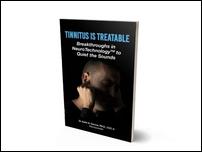
Free book offer
Request your copy of "Tinnitus is Treatable" today at TinnitusisTreatable.com whether you've been struggling with tinnitus for years or are just starting to notice symptoms, this book offers practical tools to help you improve your quality of life.Treatment can reduce your dependence on your spouse to hear for you. Treatment can help keep your brain engaged and your social world open. Treatment can reduce the grip tinnitus has on your day and night. Treatment can help you remain active, involved, and confident.
America declared independence 250 years ago.
Now it is your turn to reclaim yours.
Get treated.
Regain independence.
Call (435) 253-6243 to request a copy of "Preventing Decline, Tinnitus is Treatable," ask your questions, or schedule an appointment with Hearing and Brain Centers.