Estimated read time: 3-4 minutes
When Stadler first opened its doors to the public in 2019, the timing felt almost poetic.
That same weekend, Utah was celebrating the 150th anniversary of the Golden Spike — the moment the transcontinental railroad was completed, and the nation's east-west connection was sealed in Utah soil.
As visitors wandered through Stadler's brand-new Salt Lake City facility, it was hard not to feel that another chapter in American rail history was beginning. Since that first open house, the company has welcomed the community back every year.
Neighbors, families, rail enthusiasts, and the simply curious have walked the shop floors, watched trains take shape, and met the people who build them.
For Stadler, the event has always been more than a tour. It's a chance to show — not just tell — how modern passenger trains are made and how the work done in Salt Lake City ripples out to communities across the country.
Establishing roots in Utah
Stadler's Utah story began quietly in 2016, long before the new facility existed.
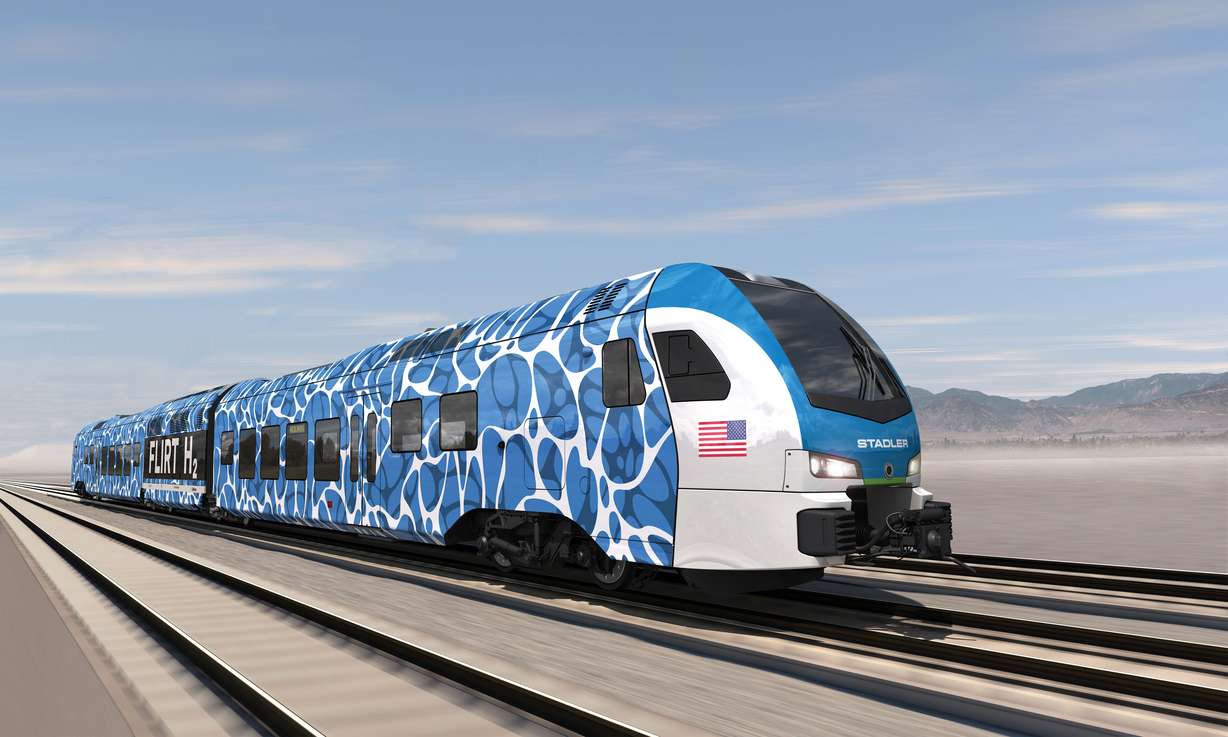
The company rented a portion of UTA's Warm Springs Frontrunner building, where its first U.S.-built train project took shape.
The challenge was enormous: Utah had no existing workforce trained in building high-tech passenger rail vehicles. But Stadler saw potential in the region's strong labor market and work ethic. With support from its parent company in Switzerland, the team launched an intensive knowledge-transfer program. Local employees learned the craft step by step, and some of those early hires are still with the company today.
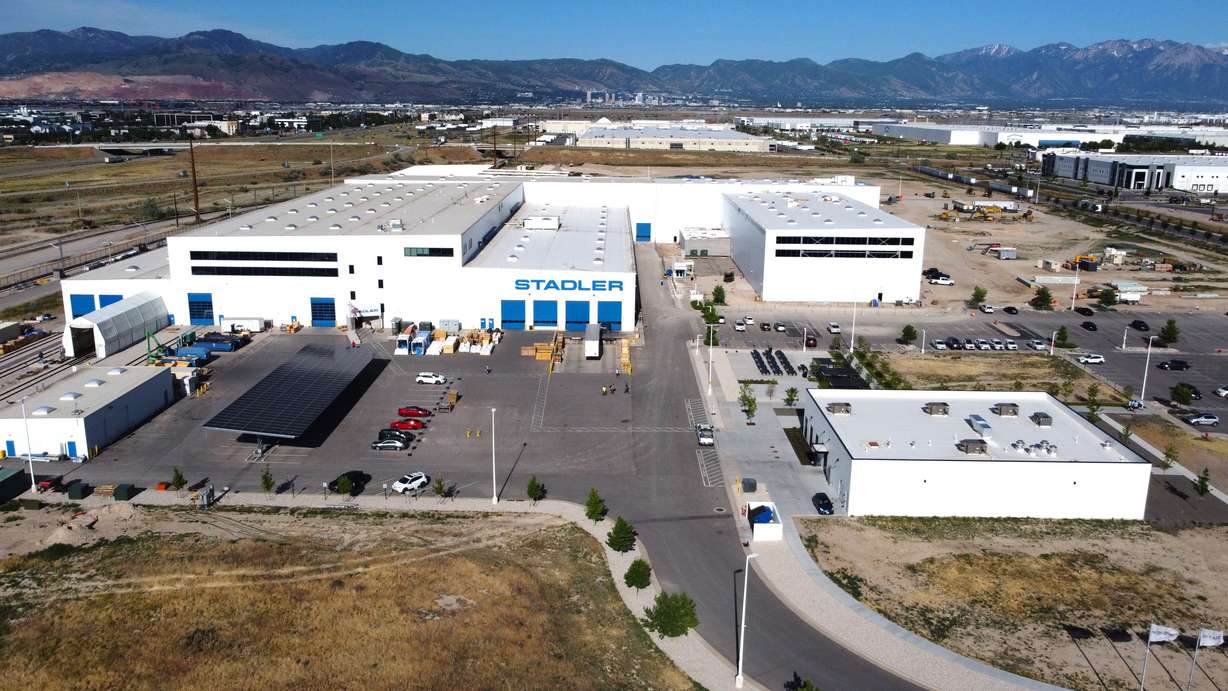
As orders grew, so did the need for space. The move to a permanent home in Salt Lake City marked a turning point. Over the years, the facility expanded piece by piece — first final assembly, then a test track, then a paint booth, then engineering, sales, and software teams.
Even small additions, like a company cafeteria, signaled that Stadler wasn't just building trains here. It was building roots. But one major capability remained out of reach: Welding aluminum car bodies locally. Until recently, those had to be shipped from Stadler sites in Europe.
That changed in August 2025, when the company's new welding facility began operations. Several car bodies have already moved through the final welding area, and more capabilities are being added as the shop works toward full production from raw material to finished shell.
Celebrating a decade of growth and looking ahead
And now, another milestone is arriving. A major assembly hall expansion — nearly doubling the company's footprint — is set to be inaugurated later this summer. For a company that started in a rented corner of a train yard, the scale of growth is striking. This year marks ten years since Stadler first began operating in Utah.
A decade of training, building, expanding, and imagining what American passenger rail can look like. It's a moment that invites reflection, but also celebration. Community members are invited to join that celebration at this year's open house on Saturday, May 30, located at 5880 W. 150 S, Salt Lake City.
Visitors will get the first public look inside the newly expanded halls and see brand-new train projects moving through production.
Adding to the festivities, the NMRA model railroad association will bring some of its most impressive running layouts — a treat for hobbyists and kids alike.
The event promises activities, demonstrations, and plenty to explore for guests of all ages. As Stadler steps into its next decade in Utah, the company remains committed to supporting education, workforce development, and the future of transportation in the state.
The story that began in a borrowed workshop has grown into a long-term partnership with the community — and the tracks ahead look just as promising as the ones behind.