'%3e%3cpath%20d='M34.1406%205.85938C30.3906%202.10547%2025.3047%200%2020%200C14.6953%200%209.60938%202.10547%205.85938%205.85938C2.10938%209.61328%200%2014.6953%200%2020C0%2025.3047%202.10547%2030.3906%205.85938%2034.1406C9.61328%2037.8906%2014.6953%2040%2020%2040C25.3047%2040%2030.3906%2037.8945%2034.1406%2034.1406C37.8906%2030.3906%2040%2025.3047%2040%2020C40%2014.6953%2037.8945%209.60938%2034.1406%205.85938ZM37.0117%2023.543H31.1602V13.5391H27.6328V19.9414C28.1211%2020.6914%2028.3711%2021.582%2028.3711%2022.5625V22.625C28.3711%2023.668%2028.1172%2024.6055%2027.6328%2025.4297V26.6094H36.082C33.4883%2032.9375%2027.2891%2037.3789%2020.0039%2037.3789C10.3711%2037.3789%202.62109%2029.6289%202.62109%2020C2.62109%2010.3711%2010.3711%202.62109%2020%202.62109C29.6289%202.62109%2037.3789%2010.3711%2037.3789%2020C37.3789%2021.1484%2037.2617%2022.2656%2037.0508%2023.3477C37.0391%2023.4141%2037.0234%2023.4766%2037.0117%2023.543Z'%20fill='white'/%3e%3cpath%20d='M22.3086%2018.5352C20.4336%2018.125%2019.9531%2017.8398%2019.9766%2017.1836V17.1406C19.9766%2016.6992%2020.3477%2016.2148%2021.4023%2016.2148C22.582%2016.2148%2023.8867%2016.6797%2025.0781%2017.4766L26.8516%2015.0195C25.4453%2013.8906%2023.707%2013.3398%2021.5547%2013.3398C18.5195%2013.3398%2016.4375%2015%2016.4063%2017.4766V17.5352C16.3633%2020.2617%2018.5859%2020.9805%2021.293%2021.6016C23.0391%2021.9766%2023.5703%2022.3164%2023.5703%2022.9609L23.5469%2022.9766C23.5469%2023.3906%2023.2578%2023.7031%2022.7852%2023.8359C22.5742%2023.9062%2022.1289%2023.9727%2021.5156%2023.9727C20.7617%2023.9727%2019.7539%2023.8633%2018.6328%2023.4844C18.0898%2023.2891%2017.4727%2023.0039%2016.8047%2022.6133L20.1406%2026.625C20.2813%2026.6602%2021.0977%2026.8516%2021.7734%2026.8516C25.0039%2026.8516%2027.0859%2025.2461%2027.1094%2022.6328V22.5703C27.1602%2020.1133%2025.2148%2019.1719%2022.3086%2018.5352Z'%20fill='white'/%3e%3cpath%20d='M5.24219%2013.5664V26.6133H8.75391V23.7578L10.2969%2021.9531L14.2031%2026.6133H18.3867L12.3555%2019.5195L17.4023%2013.5664H13.4531L8.75391%2019.0586V13.5664H5.24219Z'%20fill='white'/%3e%3c/g%3e%3cdefs%3e%3cclipPath%20id='clip0_97_2430'%3e%3crect%20width='40'%20height='40'%20fill='white'/%3e%3c/clipPath%3e%3c/defs%3e%3c/svg%3e)


Estimated read time: 6-7 minutes
In recognition of Brain Awareness Week, March 16–22, Hearing and Brain Centers of America is spotlighting one of the most overlooked but scientifically proven ways to protect brain health: Treating hearing loss and tinnitus.
Hearing and Brain Centers of America is committed to transforming lives by addressing the critical connection between hearing health and cognitive well-being.
Dr. Keith Darrow, a neuroscientist, clinical audiologist, and certified dementia practitioner, has dedicated his career to understanding how untreated hearing loss contributes to cognitive decline and dementia and how advanced interventions, such as prescription-grade hearing aids and NeuroTechnology, can significantly reduce these risks.
Brain Awareness Week is a global initiative designed to increase public understanding of the brain and promote actions that protect cognitive health across the lifespan.
One of the most powerful and modifiable risk factors for cognitive decline highlighted by modern neuroscience is hearing loss.
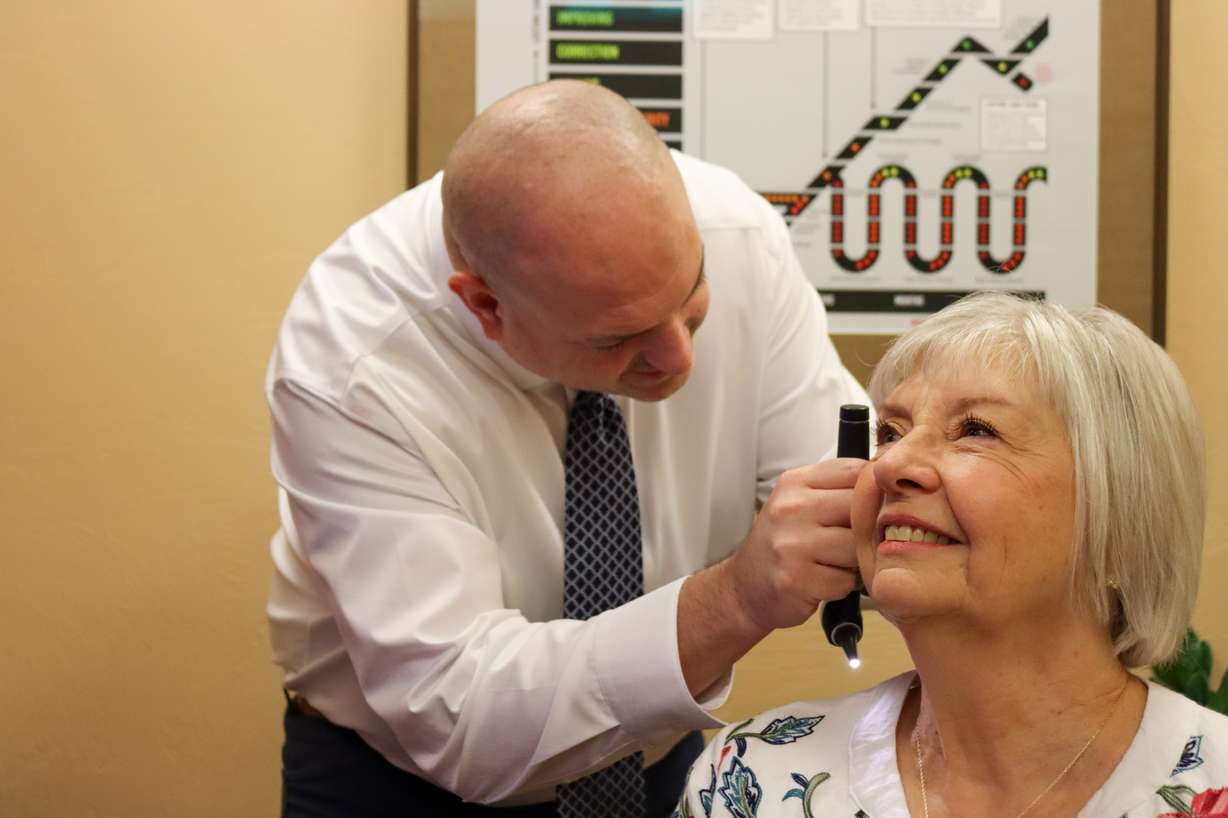
The link between hearing loss and cognitive decline
Hearing loss is one of the most prevalent chronic conditions affecting older adults, impacting over 48 million people in the United States alone.
It is the third most common chronic disorder among seniors, according to the U.S. Department of Health and Human Services.
As people age, the progressive loss of receptor (hair) cells in the ear reduces the quantity and quality of neural connections to the brain, directly affecting areas responsible for memory, speech, and language processing.
During Brain Awareness Week, neuroscientists and healthcare professionals emphasize that the brain depends on consistent sensory input to stay healthy. When auditory input is reduced, the brain is forced to reallocate resources, accelerating cognitive strain and decline.
Research consistently demonstrates that untreated hearing loss is one of the largest modifiable risk factors for dementia.
Landmark studies from Johns Hopkins Medical Center show that individuals with mild hearing loss are twice as likely to develop dementia, while those with moderate to severe hearing loss face up to a five-fold increased risk.
A 2023 Lancet study further confirmed that hearing loss accelerates cognitive decline, especially in older adults at increased dementia risk.
Three mechanisms explain this connection:
- Social isolation.
- Cerebral atrophy (brain shrinkage).
- Cognitive overload.
Dr. Darrow's book, Preventing Decline: Advances in the Medical Treatment of Hearing Loss and Tinnitus, explains how untreated hearing loss forces the brain to work harder just to hear — diverting resources away from memory, focus, and executive function.
The Role of Prescription-Grade Hearing Aids and NeuroTechnology
While traditional hearing aids focus primarily on amplifying sound, they often fail to address the brain's role in hearing — especially in noisy environments.
At Hearing and Brain Centers of America, traditional hearing aids have been replaced with prescription-grade NeuroTechnology, designed to restore auditory stimulation to the brain and reduce cognitive load.
NeuroTechnology uses advanced stimulation patterns, clarity enhancement, noise management, and deep neural networks that adapt to user intent — helping the brain process sound more naturally.
This brain-focused approach aligns directly with the mission of Brain Awareness Week: Preserving cognitive function through evidence-based intervention.
Dr. Darrow's book, Preventing Decline, highlights how these devices can improve communication, reduce social isolation, and enhance overall quality of life and even treat, manage, and provide relief for tinnitus.
Peer-reviewed research supports the efficacy of hearing aids in mitigating cognitive decline.
A 2023 randomized controlled trial, the Aging and Cognitive Health Evaluation in Elders (ACHIEVE) study, published in The Lancet, found that older adults with hearing loss who used hearing aids for three years experienced a 48% reduction in cognitive decline compared to a control group, particularly among those at higher risk for dementia.
This study, co-led by Dr. Frank Lin, underscores the public health importance of treating hearing loss to preserve cognitive function.
Similarly, a 2022 meta-analysis in JAMA Neurology reported a 19% reduction in long-term cognitive decline and a 3% improvement in cognitive test scores among hearing-aid users, reinforcing the cognitive benefits of auditory intervention.
How treating hearing loss enhances memory and cognition
Treating hearing loss does more than reduce dementia risk — it actively improves day-to-day brain performance.
By restoring auditory input, prescription-grade hearing aids reduce cognitive overload, allowing the brain to redirect resources toward memory and comprehension.
Studies using pupillometry show up to a 20% improvement in memory recall during conversations when hearing loss is treated. Improved hearing also increases social engagement — one of the most protective factors against dementia.
A 2023 Johns Hopkins study found a 32% lower prevalence of dementia among hearing aid users with moderate to severe hearing loss.
As Dr. Darrow emphasizes: "We hear with our brains, not our ears."
NeuroTechnology supports neural plasticity, helping the brain adapt, remain stimulated, and stay resilient—especially during early-cognitive decline.
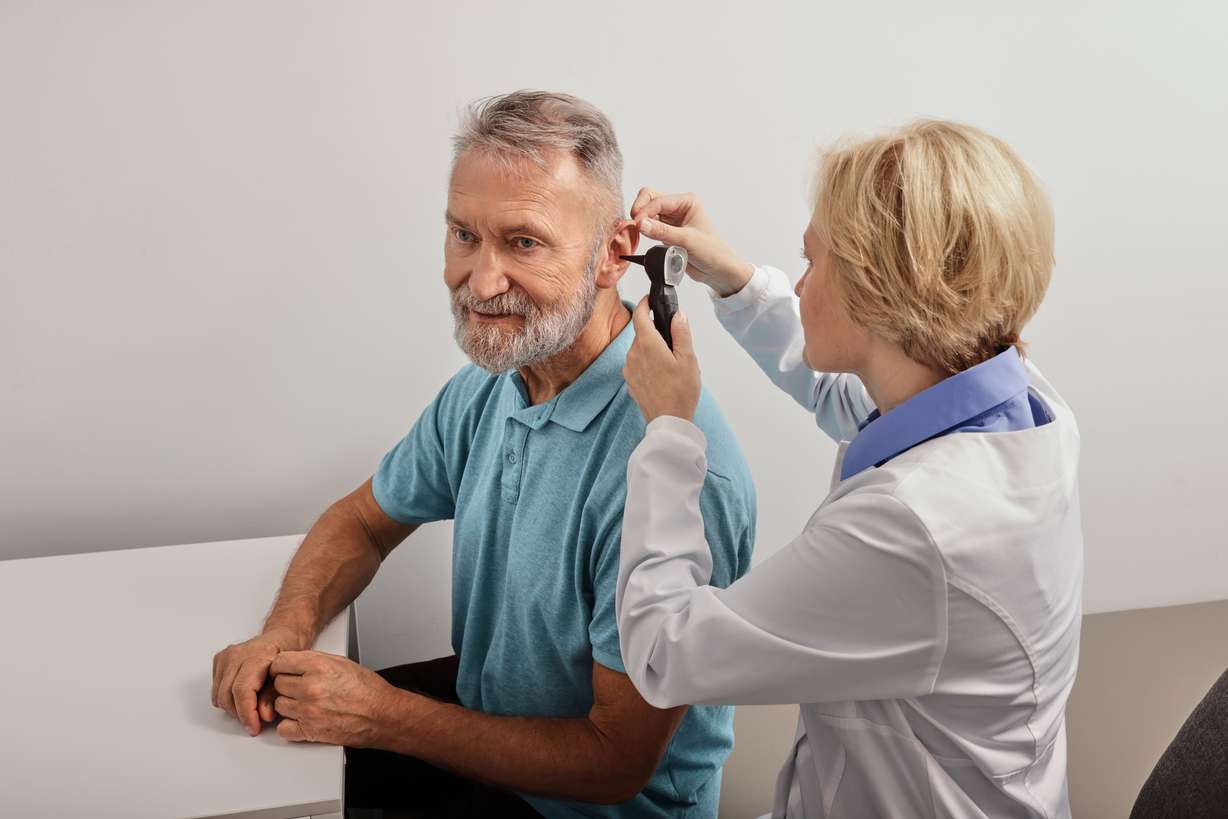
Practical steps for patients and families during Brain Awareness Week
In honor of Brain Awareness Week, Hearing and Brain Centers of America encourages patients and families to take proactive steps to protect cognitive health:
- Get regular hearing evaluations and cognitive screenings: Starting at age 50, regular hearing evaluations and cognitive screens enable early detection of damage to the auditory system and neural pathway to the brain. Early intervention is critical, as even mild hearing loss increases dementia risk by 200%.
- Choose a provider trained in brain-based hearing care: Here's a quick guide to choose the right specialist. Work with a certified specialist who understands the cognitive implications of hearing loss and tinnitus. The clinics, part of the Excellence in Audiology network, offer comprehensive assessments and personalized treatment plans using NeuroTechnology.
- Begin treatment at first sign: NeuroTechnology, unlike traditional hearing aids are customized to your hearing profile, tinnitus number and cognitive needs. They provide superior auditory stimulation, reducing cognitive load and enhancing memory.
- Engage in cognitive activities: Complement hearing loss treatment with brain-stimulating activities provided as part of the all-inclusive Preventing Decline Program. The clinics incorporate tools like health literacy, brain training, exercise, nutrition and social engagement program to support ongoing cognitive health.
The all-inclusive Preventing Decline Program integrates these pillars to support long-term brain health.
Addressing common concerns
Affordability and accessibility are common barriers to hearing-loss treatment.
To address this, Hearing and Brain Centers offer affordable monthly subscription plans, eliminating the need for significant upfront investments. Dr. Darrow's advocacy for these plans, detailed in Preventing Decline, reflects his commitment to making hearing healthcare accessible to all.
Conclusion
As Brain Awareness Week is observed March 16–22, now is the time to recognize hearing care as brain care.
Treating hearing loss and tinnitus with NeuroTechnology enhances memory, improves cognition, reduces dementia risk, and restores quality of life.
If you or a loved one are experiencing hearing loss or tinnitus, contact Hearing and Brain Centers of America to schedule a comprehensive hearing and cognitive assessment.
Visit hearingandbraincenters.com for more information. Or call (435) 253-6243 to make an appointment
Together, we can protect brain health—and add more life to your years.