'%3e%3cpath%20d='M34.1406%205.85938C30.3906%202.10547%2025.3047%200%2020%200C14.6953%200%209.60938%202.10547%205.85938%205.85938C2.10938%209.61328%200%2014.6953%200%2020C0%2025.3047%202.10547%2030.3906%205.85938%2034.1406C9.61328%2037.8906%2014.6953%2040%2020%2040C25.3047%2040%2030.3906%2037.8945%2034.1406%2034.1406C37.8906%2030.3906%2040%2025.3047%2040%2020C40%2014.6953%2037.8945%209.60938%2034.1406%205.85938ZM37.0117%2023.543H31.1602V13.5391H27.6328V19.9414C28.1211%2020.6914%2028.3711%2021.582%2028.3711%2022.5625V22.625C28.3711%2023.668%2028.1172%2024.6055%2027.6328%2025.4297V26.6094H36.082C33.4883%2032.9375%2027.2891%2037.3789%2020.0039%2037.3789C10.3711%2037.3789%202.62109%2029.6289%202.62109%2020C2.62109%2010.3711%2010.3711%202.62109%2020%202.62109C29.6289%202.62109%2037.3789%2010.3711%2037.3789%2020C37.3789%2021.1484%2037.2617%2022.2656%2037.0508%2023.3477C37.0391%2023.4141%2037.0234%2023.4766%2037.0117%2023.543Z'%20fill='white'/%3e%3cpath%20d='M22.3086%2018.5352C20.4336%2018.125%2019.9531%2017.8398%2019.9766%2017.1836V17.1406C19.9766%2016.6992%2020.3477%2016.2148%2021.4023%2016.2148C22.582%2016.2148%2023.8867%2016.6797%2025.0781%2017.4766L26.8516%2015.0195C25.4453%2013.8906%2023.707%2013.3398%2021.5547%2013.3398C18.5195%2013.3398%2016.4375%2015%2016.4063%2017.4766V17.5352C16.3633%2020.2617%2018.5859%2020.9805%2021.293%2021.6016C23.0391%2021.9766%2023.5703%2022.3164%2023.5703%2022.9609L23.5469%2022.9766C23.5469%2023.3906%2023.2578%2023.7031%2022.7852%2023.8359C22.5742%2023.9062%2022.1289%2023.9727%2021.5156%2023.9727C20.7617%2023.9727%2019.7539%2023.8633%2018.6328%2023.4844C18.0898%2023.2891%2017.4727%2023.0039%2016.8047%2022.6133L20.1406%2026.625C20.2813%2026.6602%2021.0977%2026.8516%2021.7734%2026.8516C25.0039%2026.8516%2027.0859%2025.2461%2027.1094%2022.6328V22.5703C27.1602%2020.1133%2025.2148%2019.1719%2022.3086%2018.5352Z'%20fill='white'/%3e%3cpath%20d='M5.24219%2013.5664V26.6133H8.75391V23.7578L10.2969%2021.9531L14.2031%2026.6133H18.3867L12.3555%2019.5195L17.4023%2013.5664H13.4531L8.75391%2019.0586V13.5664H5.24219Z'%20fill='white'/%3e%3c/g%3e%3cdefs%3e%3cclipPath%20id='clip0_97_2430'%3e%3crect%20width='40'%20height='40'%20fill='white'/%3e%3c/clipPath%3e%3c/defs%3e%3c/svg%3e)


Estimated read time: 4-5 minutes
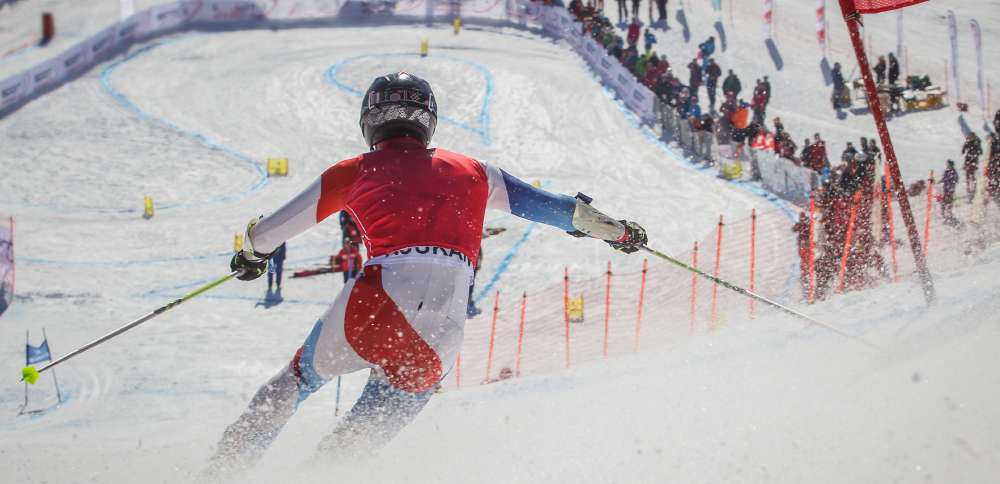
True peak performance is built on much more than effort. It is the result of recovery, sleep, nutrition, injury prevention, and mental focus working together behind the scenes. As anyone who has been watching the current Winter Games understands, the difference between standing on the podium and going home early is often measured in fractions of a second.
But true peak performance is built on much more than effort. It is the result of recovery, sleep, nutrition, injury prevention and mental focus working together behind the scenes.
At University of Utah Health, specialists help people at every level of activity understand what it really takes to perform well and stay healthy doing it.
Performance starts before the workout
Strength and conditioning matter, but what happens outside of training is just as critical. Sports medicine experts at University of Utah Health work with active individuals to improve mobility, balance, coordination and endurance while reducing the risk of injury.
This approach supports long-term performance, not just short-term gains.
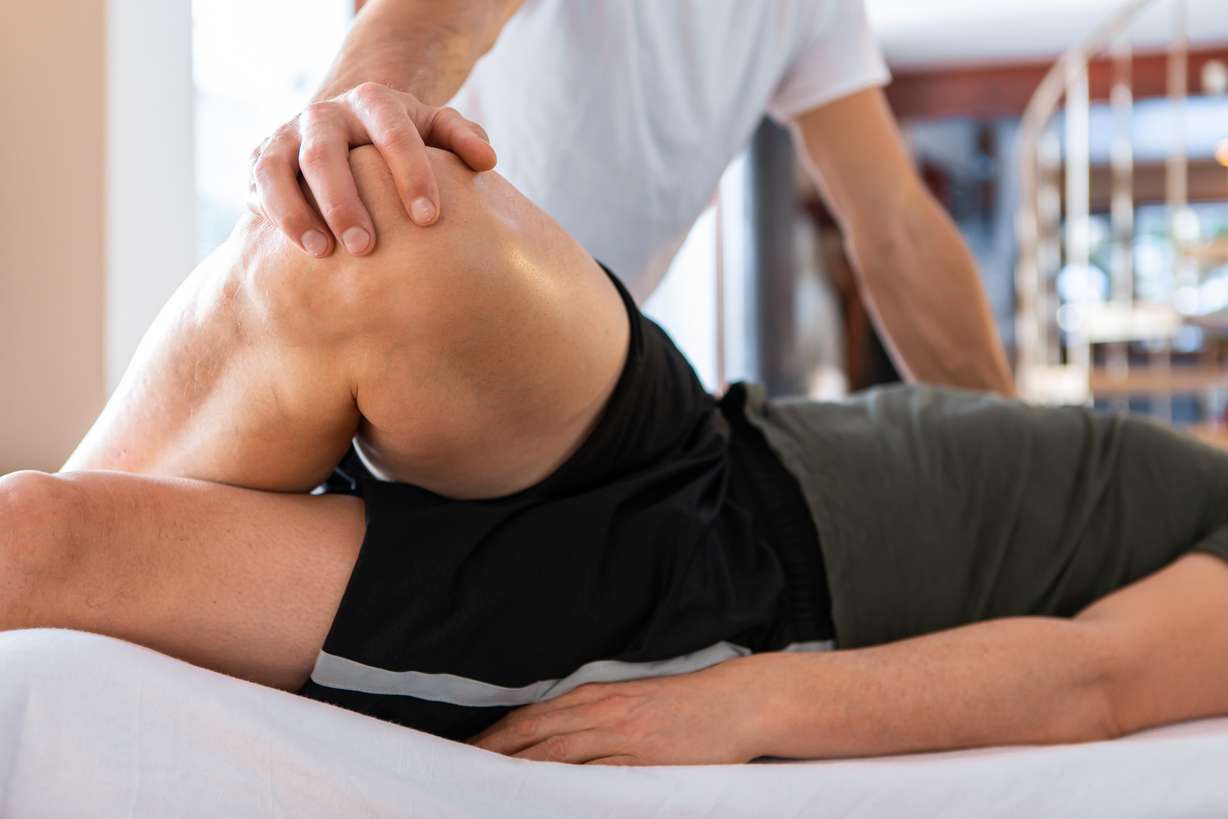
From treating sprains and strains to managing more complex orthopedic conditions, the goal is to keep people moving safely and confidently.
No matter your preferred activity, the sports medicine team at University of Utah Health can help you excel safely. They offer specialty programs like the Runner's Clinic, Climber's Clinic, and Concussion Clinic, designed around the unique demands of your sport.
For sudden injuries or pain that cannot wait, same-day care is available at the University Orthopaedic Center Injury Clinic.
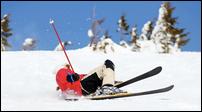
Tips for prevention and treatment of winter sports injuries from University of Utah Health
Whether you are skiing Little Cottonwood, pulling your kids on a sled, or navigating icy sidewalks, winter activities carry real injury risks. The good news is that many of the most common winter sports injuries are preventable with the right preparation and care from experts at University of Utah Health.Sleep is a performance tool, not a luxury
Quality sleep is one of the most powerful and overlooked contributors to performance. Without it, the body cannot fully recover, repair muscle tissue, or maintain mental clarity. There are many studies documenting how a lack of sleep has a negative impact on academic and physical performance.
University of Utah Health Sleep Wake Services help patients address sleep issues such as insomnia, sleep apnea, and chronic fatigue. Improving sleep quality can lead to better reaction time, stronger focus and improved physical recovery.

Fueling the body for results
Performance is not powered by effort alone. It is powered by fuel.
Proper nutrition supports muscle repair, immune health, and sustained energy. University of Utah Health providers help patients understand how nutrition impacts performance and overall wellness, especially during periods of high physical demand.
Mental focus is the invisible advantage
Peak performance is not only physical. Focus, resilience, and stress management influence how the body performs under pressure.
University of Utah Health offers behavioral and mental health support that helps individuals build the tools needed to stay grounded, confident, and focused when expectations are high.
Preventing injury is part of performing well
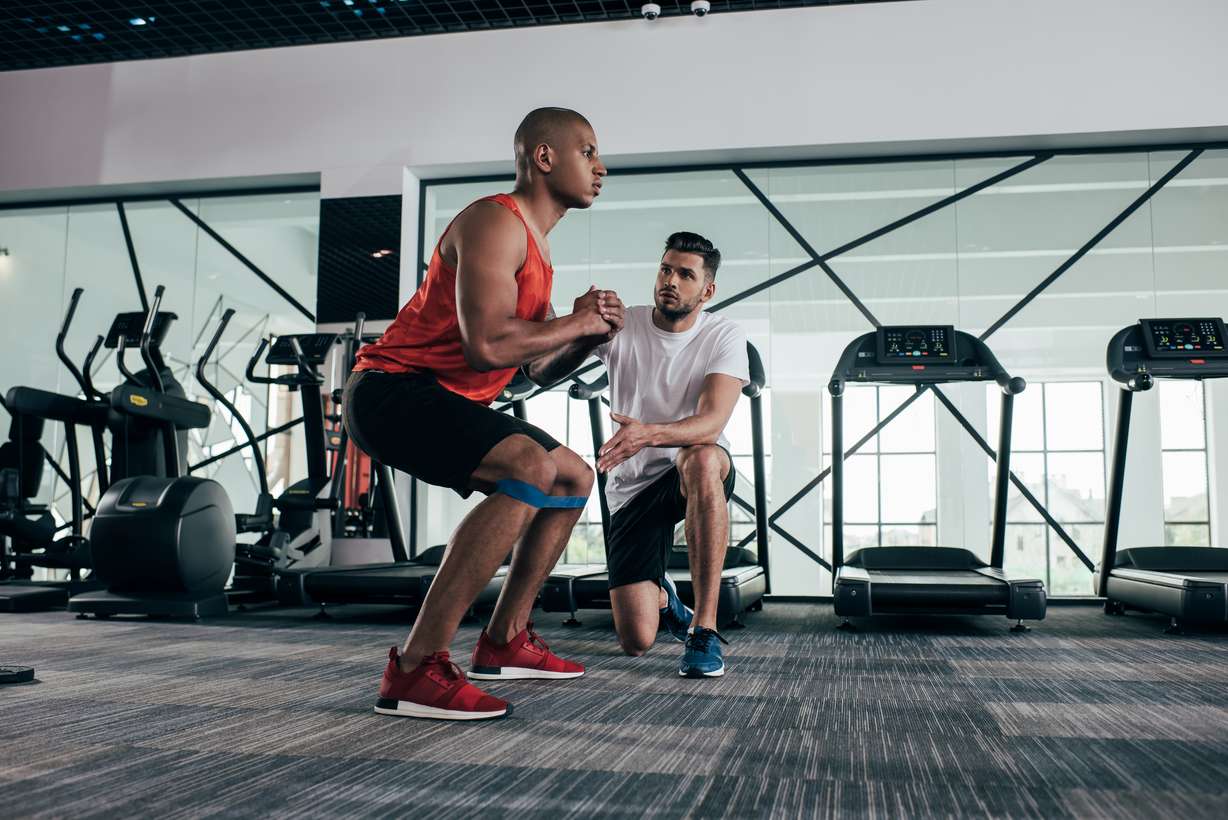
Training harder does not always mean training smarter. Injury prevention strategies help protect joints, muscles, and connective tissue before problems arise.
University of Utah Health sports medicine and orthopedic teams focus on proactive care that keeps people active and reduces down time.
A whole-body approach to performance
Peak performance is the result of many systems working together.
At University of Utah Health, experts across sports medicine, orthopedics, sleep medicine, nutrition and behavioral health collaborate to help people perform at their best.
Whether you are inspired by what you are watching this season or simply want to stay active and healthy, the right care can make all the difference.
Learn more or find a specialist at https://healthcare.utah.edu.

The opinions and conclusions expressed in this article are the sponsor's own and do not reflect the views or opinions of KSL.com. This Site Does Not Provide Medical Advice. Any content on this Site, such as text, graphics, images, information obtained from, or contained on this Site are for informational purposes only. The content is not intended to be a substitute for professional medical advice, diagnosis, or treatment. Always seek the advice of your physician or other qualified health provider with any questions you may have regarding a medical condition. Never disregard professional medical advice or delay in seeking it because of something you have read on this site! The owner and operator of this site do not recommend or endorse any specific tests, physicians, products, procedures, opinions, or other information that may be mentioned on the site. Reliance on any information provided by the Operator, including their employees, contractors or others appearing on the Site at the invitation of the Operator, or other visitors to the Site is solely at your own risk. If you think you may have a medical emergency, call your doctor or 911 immediately.