'%3e%3cpath%20d='M34.1406%205.85938C30.3906%202.10547%2025.3047%200%2020%200C14.6953%200%209.60938%202.10547%205.85938%205.85938C2.10938%209.61328%200%2014.6953%200%2020C0%2025.3047%202.10547%2030.3906%205.85938%2034.1406C9.61328%2037.8906%2014.6953%2040%2020%2040C25.3047%2040%2030.3906%2037.8945%2034.1406%2034.1406C37.8906%2030.3906%2040%2025.3047%2040%2020C40%2014.6953%2037.8945%209.60938%2034.1406%205.85938ZM37.0117%2023.543H31.1602V13.5391H27.6328V19.9414C28.1211%2020.6914%2028.3711%2021.582%2028.3711%2022.5625V22.625C28.3711%2023.668%2028.1172%2024.6055%2027.6328%2025.4297V26.6094H36.082C33.4883%2032.9375%2027.2891%2037.3789%2020.0039%2037.3789C10.3711%2037.3789%202.62109%2029.6289%202.62109%2020C2.62109%2010.3711%2010.3711%202.62109%2020%202.62109C29.6289%202.62109%2037.3789%2010.3711%2037.3789%2020C37.3789%2021.1484%2037.2617%2022.2656%2037.0508%2023.3477C37.0391%2023.4141%2037.0234%2023.4766%2037.0117%2023.543Z'%20fill='white'/%3e%3cpath%20d='M22.3086%2018.5352C20.4336%2018.125%2019.9531%2017.8398%2019.9766%2017.1836V17.1406C19.9766%2016.6992%2020.3477%2016.2148%2021.4023%2016.2148C22.582%2016.2148%2023.8867%2016.6797%2025.0781%2017.4766L26.8516%2015.0195C25.4453%2013.8906%2023.707%2013.3398%2021.5547%2013.3398C18.5195%2013.3398%2016.4375%2015%2016.4063%2017.4766V17.5352C16.3633%2020.2617%2018.5859%2020.9805%2021.293%2021.6016C23.0391%2021.9766%2023.5703%2022.3164%2023.5703%2022.9609L23.5469%2022.9766C23.5469%2023.3906%2023.2578%2023.7031%2022.7852%2023.8359C22.5742%2023.9062%2022.1289%2023.9727%2021.5156%2023.9727C20.7617%2023.9727%2019.7539%2023.8633%2018.6328%2023.4844C18.0898%2023.2891%2017.4727%2023.0039%2016.8047%2022.6133L20.1406%2026.625C20.2813%2026.6602%2021.0977%2026.8516%2021.7734%2026.8516C25.0039%2026.8516%2027.0859%2025.2461%2027.1094%2022.6328V22.5703C27.1602%2020.1133%2025.2148%2019.1719%2022.3086%2018.5352Z'%20fill='white'/%3e%3cpath%20d='M5.24219%2013.5664V26.6133H8.75391V23.7578L10.2969%2021.9531L14.2031%2026.6133H18.3867L12.3555%2019.5195L17.4023%2013.5664H13.4531L8.75391%2019.0586V13.5664H5.24219Z'%20fill='white'/%3e%3c/g%3e%3cdefs%3e%3cclipPath%20id='clip0_97_2430'%3e%3crect%20width='40'%20height='40'%20fill='white'/%3e%3c/clipPath%3e%3c/defs%3e%3c/svg%3e)



- "Voces al Vineto," a temporary art installation, symbolizes the desire to solve Salt Lake City's east-west divide.
- The city is still studying the situation, as it seeks potential solutions.
- The city aims to finalize the study by late 2026 or early 2027, before identifying specific projects.
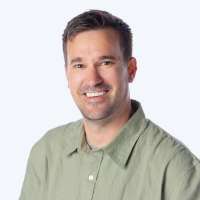
SALT LAKE CITY — Kurt Fisher enjoys volunteering at the 9-Line Community Garden on Salt Lake City's west side, but getting there isn't always as delightful.
He estimates he's been stuck waiting for a train at least a quarter of the time, as he makes the short journey from his home on the western edge of downtown, on the other side of the active corridor that Union Pacific, Utah Transit Authority and various other railroad entities use.
"You'll sit here for 15, 20 minutes," he says, standing near the crossing. "Part of that is avoidable if you know the neighborhood well — most people don't."
This challenge isn't new. The city's east-west transportation divide is almost as old as the city, dating back to the construction of the railroad corridor in the 1870s. The creation of I-15 and I-80 about a century later only added to the divide, while freight trains have become longer and more frequent in recent years, which has aggravated the situation.
The worst blockages can last anywhere from 23 minutes to 14 hours, according to preliminary findings from a city study on the issue released in November.
A new temporary art installation is now highlighting that challenge, as Salt Lake City continues to study potential solutions.
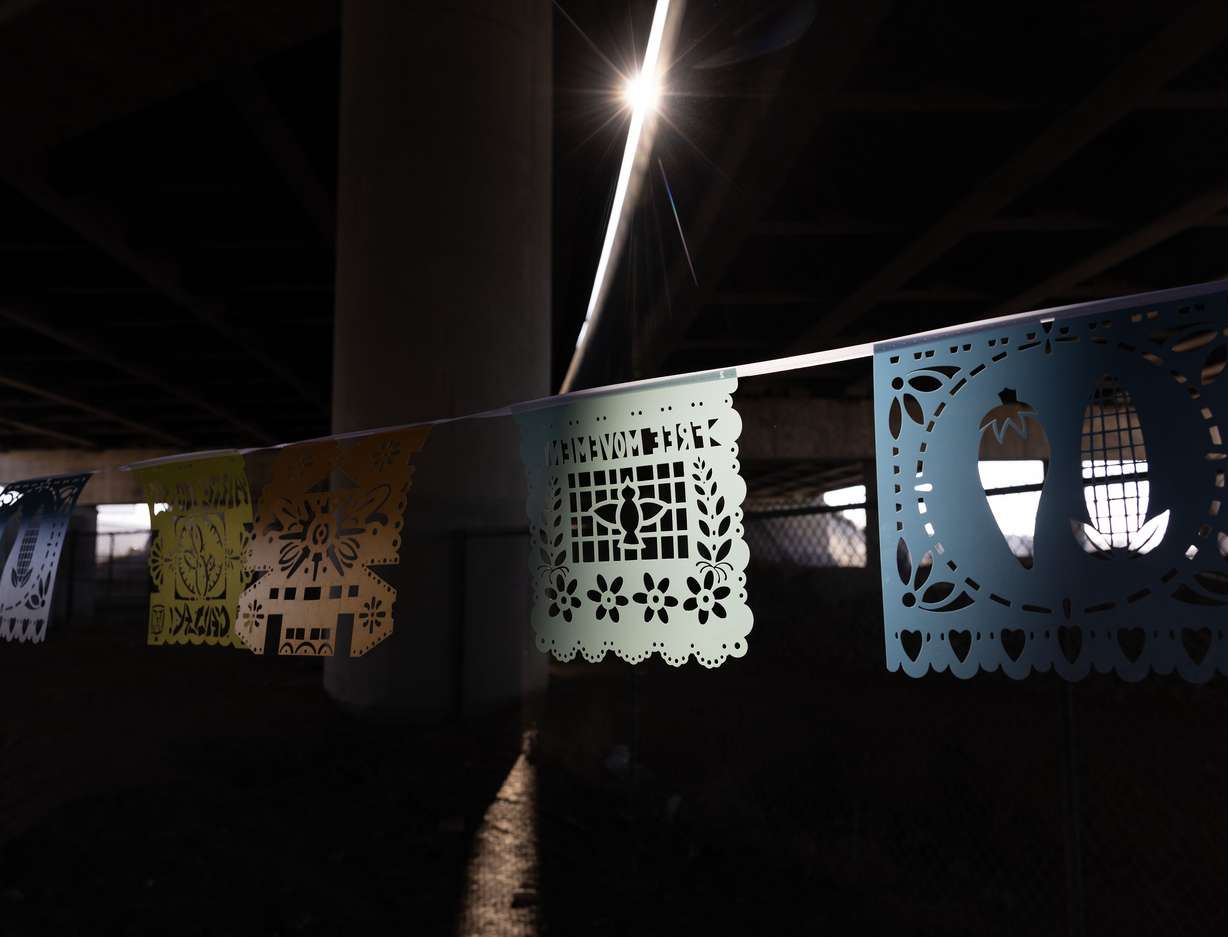
City officials unveiled "Voces al Vineto," a half-mile of papel picado, or perforated paper, on Thursday — a traditional Mexican decorative craft made by cutting elaborate designs into sheets of paper. The display runs along the 9-Line trail on both ends of the railroad crossing and I-15 underpass between 600 West and 700 West.
West-side residents created the colorful paper banners that feature Mexican folk art as part of the West–East Connections Study that's still underway.
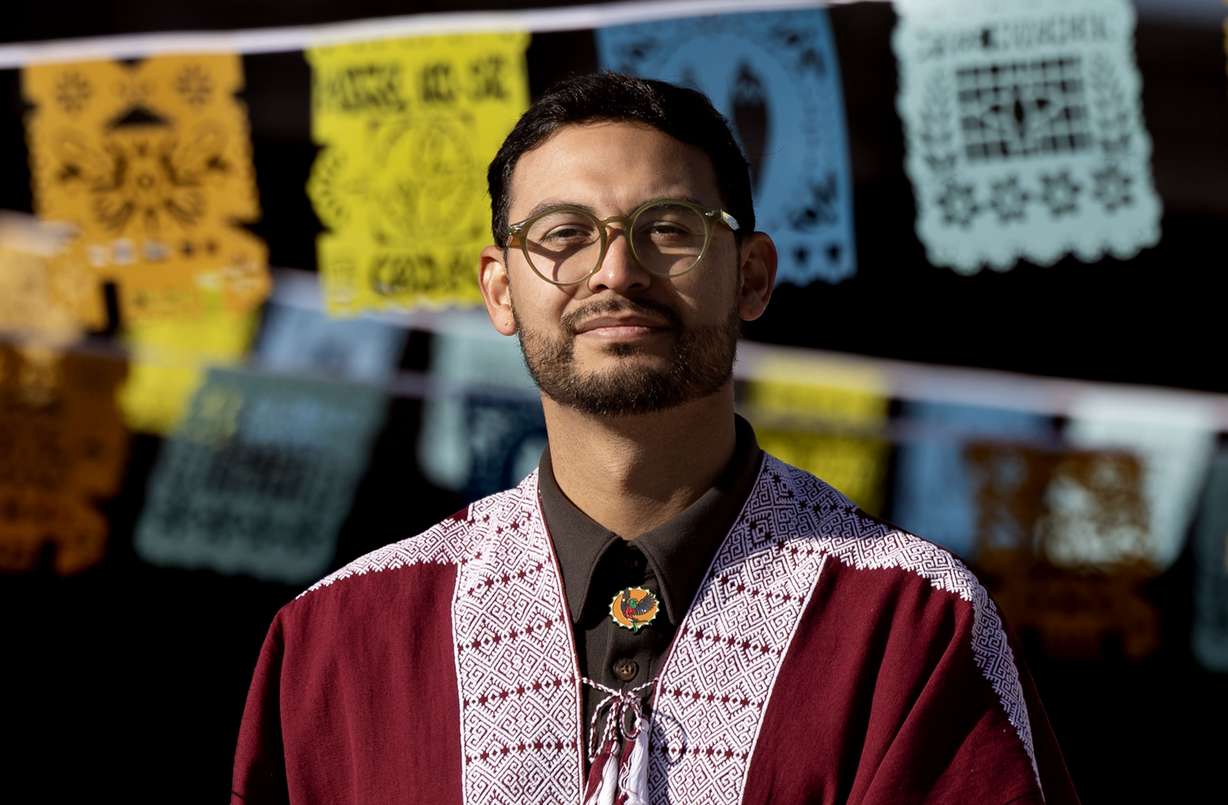
It's a vibrant, metaphoric bridge that represents the solution that the city is trying to seek. The patterns were inspired by stories shared by residents in a "collective process," said Luis Novoa, executive director of the art nonprofit Artes de Mexico en Utah and the project's lead artist.
"(This is) a symbol of different colors and designs coming together to create a beautiful symphony of experiences and voices," he said. "As the wind moves through this installation, it carries those voices across the divide that is physical, social and deeply felt."
Seeking to solve a long-standing problem
Funding for the papel picado trail came from a provision within the $3.7 million gathered to study the issue, most of which came from a U.S. Department of Transportation's Reconnecting Communities Pilot Program grant. It'll remain in place for at least the next few weeks.
It was installed ahead of a few community open houses, including one at the Other Side Village (1882 W. Indiana Ave.) from 5:30 p.m. to 7:30 p.m. on Thursday, Feb. 5, and another at the Sorenson Unity Center (1383 S. 900 West) during the same hours on Feb. 12, where residents can learn more about the latest efforts on the West–East Connections Study.
What's been released from the West–East Connections Study thus far highlights the problem, and the city is now looking for potential solutions, said Joe Taylor, a transportation planner for Salt Lake City. His team has already heard everything from more shared bike stations to more shops and stores on the west side to the proposal to bury a portion of the rail corridor west of downtown, known as the Rio Grande Plan.
But pinpointing solutions — while desperately needed — won't be easy or cheap, project officials and city leaders agree. It's going to require time, funding and collaboration between city, state, federal and private entities.
"It really runs the gamut of stuff the transportation division can do in a matter of weeks to decades-long megaprojects," Taylor told KSL, adding that the study will outline projected timelines of solutions.
Salt Lake City leaders expect to receive the final study by late 2026 or early 2027, arriving at approximately the same time as a study exploring costs and benefits.
That's when the city will begin seeking options to solve the century-old challenge causing Fisher and others long waits.
"It's not an easy task," said Salt Lake City Council Chairman Alejandro Puy, whose district is impacted by the divide. "This is why we needed a study ... so we can actually start picking from that and find funding."