'%3e%3cpath%20d='M34.1406%205.85938C30.3906%202.10547%2025.3047%200%2020%200C14.6953%200%209.60938%202.10547%205.85938%205.85938C2.10938%209.61328%200%2014.6953%200%2020C0%2025.3047%202.10547%2030.3906%205.85938%2034.1406C9.61328%2037.8906%2014.6953%2040%2020%2040C25.3047%2040%2030.3906%2037.8945%2034.1406%2034.1406C37.8906%2030.3906%2040%2025.3047%2040%2020C40%2014.6953%2037.8945%209.60938%2034.1406%205.85938ZM37.0117%2023.543H31.1602V13.5391H27.6328V19.9414C28.1211%2020.6914%2028.3711%2021.582%2028.3711%2022.5625V22.625C28.3711%2023.668%2028.1172%2024.6055%2027.6328%2025.4297V26.6094H36.082C33.4883%2032.9375%2027.2891%2037.3789%2020.0039%2037.3789C10.3711%2037.3789%202.62109%2029.6289%202.62109%2020C2.62109%2010.3711%2010.3711%202.62109%2020%202.62109C29.6289%202.62109%2037.3789%2010.3711%2037.3789%2020C37.3789%2021.1484%2037.2617%2022.2656%2037.0508%2023.3477C37.0391%2023.4141%2037.0234%2023.4766%2037.0117%2023.543Z'%20fill='white'/%3e%3cpath%20d='M22.3086%2018.5352C20.4336%2018.125%2019.9531%2017.8398%2019.9766%2017.1836V17.1406C19.9766%2016.6992%2020.3477%2016.2148%2021.4023%2016.2148C22.582%2016.2148%2023.8867%2016.6797%2025.0781%2017.4766L26.8516%2015.0195C25.4453%2013.8906%2023.707%2013.3398%2021.5547%2013.3398C18.5195%2013.3398%2016.4375%2015%2016.4063%2017.4766V17.5352C16.3633%2020.2617%2018.5859%2020.9805%2021.293%2021.6016C23.0391%2021.9766%2023.5703%2022.3164%2023.5703%2022.9609L23.5469%2022.9766C23.5469%2023.3906%2023.2578%2023.7031%2022.7852%2023.8359C22.5742%2023.9062%2022.1289%2023.9727%2021.5156%2023.9727C20.7617%2023.9727%2019.7539%2023.8633%2018.6328%2023.4844C18.0898%2023.2891%2017.4727%2023.0039%2016.8047%2022.6133L20.1406%2026.625C20.2813%2026.6602%2021.0977%2026.8516%2021.7734%2026.8516C25.0039%2026.8516%2027.0859%2025.2461%2027.1094%2022.6328V22.5703C27.1602%2020.1133%2025.2148%2019.1719%2022.3086%2018.5352Z'%20fill='white'/%3e%3cpath%20d='M5.24219%2013.5664V26.6133H8.75391V23.7578L10.2969%2021.9531L14.2031%2026.6133H18.3867L12.3555%2019.5195L17.4023%2013.5664H13.4531L8.75391%2019.0586V13.5664H5.24219Z'%20fill='white'/%3e%3c/g%3e%3cdefs%3e%3cclipPath%20id='clip0_97_2430'%3e%3crect%20width='40'%20height='40'%20fill='white'/%3e%3c/clipPath%3e%3c/defs%3e%3c/svg%3e)



Estimated read time: 6-7 minutes
According to the American Red Cross, about 90% of cardiac arrests are fatal.
Cardiac arrest occurs when the heart suddenly and unexpectedly stops beating effectively, or stops beating altogether.
The most common cause is an irregular heart rhythm known as ventricular fibrillation, which prevents the heart from pumping blood to the brain and other vital organs.
"When the heart stops beating, blood flow to the brain and other vital organs immediately ceases. This leads to unconsciousness and, if not treated immediately, brain damage and death within minutes due to lack of oxygen," said Dr. Bruce Kenwood, a cardiologist at Holy Cross Hospital - Jordan Valley.
Here are just a few ways to beat the odds and survive cardiac arrest, or help someone else get through it.
Why immediate action matters
Because of how quickly cardiac arrest becomes deadly, immediate treatment is critical.
The two most important interventions are cardiopulmonary resuscitation, or CPR, and defibrillation, which is delivering an electric shock to the heart using an automated external defibrillator, or AED, to restore a normal beat rhythm.
If you are untrained in CPR and using an AED, now is the time to reach out to CommonSpirit Health for some individual or group training.
In many cases, survival depends not on advanced medical care, but on whether someone nearby is willing and able to act before first responders arrive.
Fortunately, Utah sees higher rates of bystander CPR than many other states, a factor that has helped improve outcomes for people who collapse in public places, at home or during various physical activities.
The power of bystander CPR
"I would encourage all adults to learn CPR. Timely CPR can dramatically increase the likelihood of survival," said Dr. Richard Gelb, a cardiologist at Holy Cross Hospital – Mountain Point.
Gelb has seen firsthand how immediate action can mean the difference between life and death.
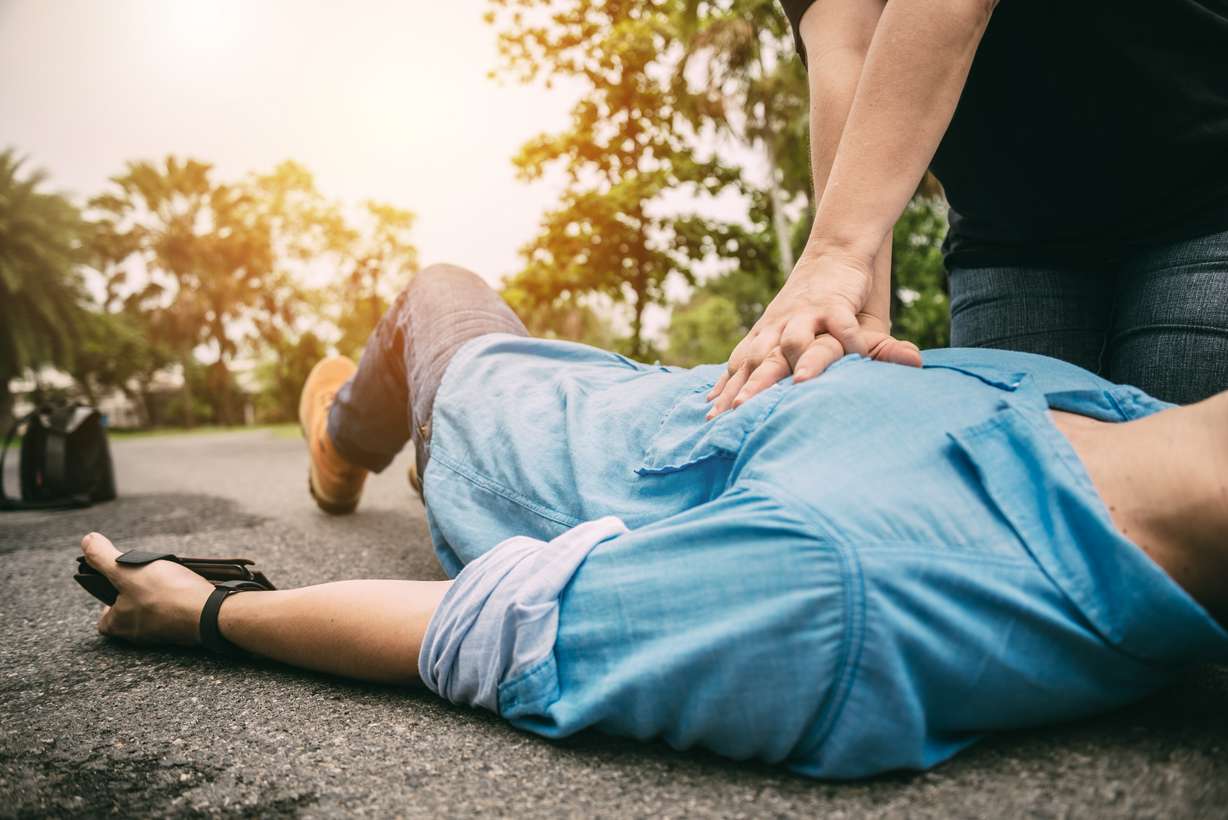
In recent months, he treated two men who survived cardiac arrest because their sons were nearby when they collapsed. In both cases, the sons began CPR before emergency crews arrived.
A Utah survival story
One of those survivors is Adrian Ramirez of South Jordan.
Ramirez was participating in a Ruck — a military-style march in which participants wear heavy backpacks — on Veterans Day. About three miles into the march, he collapsed. His son, Francisco, immediately began CPR while others called 911.
Unified Fire and Lehi Fire Department crews responded and began treatment at the scene.
An electrocardiogram, or EKG, revealed that Ramirez was in cardiac arrest with a severe type of heart attack. They contacted Holy Cross Hospital - Mountain Point, which prepared its emergency team before Ramirez arrived.
After a few minutes in the emergency department, Ramirez was rushed to the cardiac catheterization lab, where doctors placed a stent in his left anterior descending artery, which was 95% blocked. This saved his life. The artery is commonly known among medical professionals as the "widowmaker."
Thankfully, that was not the case for Ramirez that day.
Recognition for lifesaving action
Ramirez survived and returned to the hospital weeks later with his family for a recognition event honoring Francisco and the Emergency Medical Services crews whose quick action saved his life.
An emotional Ramirez thanked first responders, the hospital staff and especially, his son.
"If it wasn't for people like you, I wouldn't have had a shot. You guys are my heroes, man. I literally owe you my life. Thank you. Bless you all," he said.
Prevention and lifestyle factors
Stories like Ramirez's highlight why CPR training and access to AEDs are so important in Utah communities.
Cardiac arrest can happen anywhere, and often strikes with no warning. In most cases, it may be up to bystanders to step in and save the day, whether that be at work, at the gym, gas station or anywhere else.
While immediate response is critical, cardiologists at CommonSpirit Health emphasize prevention.
Many of the underlying conditions that increase the risk of cardiac arrest are linked to some lifestyle factors that can be altered for the better.
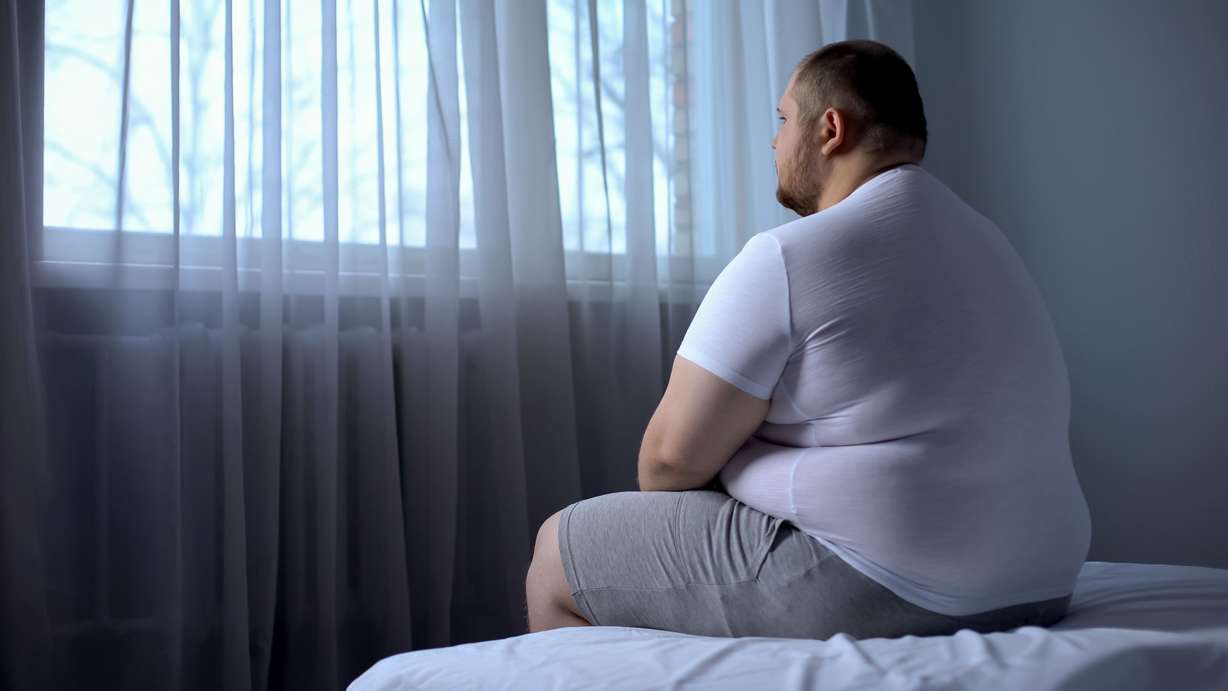
"While there are many causes of cardiac arrest, some of the leading causes are lifestyle-related, such as smoking, high blood pressure, high cholesterol, diabetes, obesity and inactivity.
I would encourage all of us to find ways to make smarter lifestyle choices, including exercise and a healthy diet," said Dr. Roja Mulamalla, a cardiologist at Holy Cross Hospital - Davis.
Skills that save lives
Health experts at CommonSpirit Health say that knowing CPR, recognizing the signs of cardiac arrest and understanding personal risk factors can significantly improve survival odds. In Utah, where outdoor recreation and physical activity are a way of life, those skills may be especially needed when least expected — and could help save a life.
For more information on cardiac arrest and how to respond to and prevent it, visit https://www.mountain.commonspirit.org/ or check out their YouTube video at https://www.youtube.com/playlist?list=PLLzKmlmaWPA3KiTg3k82lnmPa5xDPc0J3
–––––––––––––––––––––––––––––––––––––––––––––––––––––––––––––––––––––––––––––––––––––––––––––––––––––––––––––––––––––––––––––––––––
The opinions and conclusions expressed in this article are the sponsor's own and do not reflect the views or opinions of KSL.com. This Site Does Not Provide Medical Advice. Any content on this Site, such as text, graphics, images, information obtained from, or contained on this Site are for informational purposes only. The content is not intended to be a substitute for professional medical advice, diagnosis, or treatment. Always seek the advice of your physician or other qualified health provider with any questions you may have regarding a medical condition. Never disregard professional medical advice or delay in seeking it because of something you have read on this site! The owner and operator of this site do not recommend or endorse any specific tests, physicians, products, procedures, opinions, or other information that may be mentioned on the site. Reliance on any information provided by the Operator, including their employees, contractors or others appearing on the Site at the invitation of the Operator, or other visitors to the Site is solely at your own risk. If you think you may have a medical emergency, call your doctor or 911 immediately.