Estimated read time: 6-7 minutes
A climbing route that traces a century-old mining road. A ski tour that glides past the remnants of a ghost town. A hunting trail first traveled thousands of years ago.
In Utah, outdoor recreation and history often share the same ground. Many of the state's most popular places to climb, ski, hike and hunt are also among its most important cultural sites, carrying stories that stretch back more than 13,000 years.
Rock imagery carved into cliff faces, old log cabins and corrals, and other remnants of early life still mark the landscape.
But those stories are increasingly at risk of being lost forever.
Through lack of awareness, carelessness or outright vandalism, people are damaging and destroying irreplaceable history. In just a few seconds, a single act can permanently erase something that has survived for millennia.
That's why the Utah State Historic Preservation Office is launching a new, multi-year anti-vandalism campaign to help Protect Our Past.
Championed by Rep. Stewart Barlow and the Utah Legislature, the effort focuses on places where recreation and history intersect and calls on those who love Utah's outdoors to help protect what remains.
"We're finding that vandalism is increasing, and it's a real problem," Rep. Barlow said. "The real question is: Why do people damage these beautiful monuments?"
We're finding that vandalism is increasing, and it's a real problem.The real question is: Why do people damage these beautiful monuments?
–Utah Rep. Stewart Barlow
One answer might be that people don't understand what's at stake. The State Historic Preservation Office has found that if people are provided with opportunities to learn about and become involved in helping to safeguard these places, it is much less likely that they will be taken for granted.
Here are a few of the fascinating historical locations in Utah — and how you can help keep them safe for generations to come.
Alpenbock Loop, Little Cottonwood Canyon
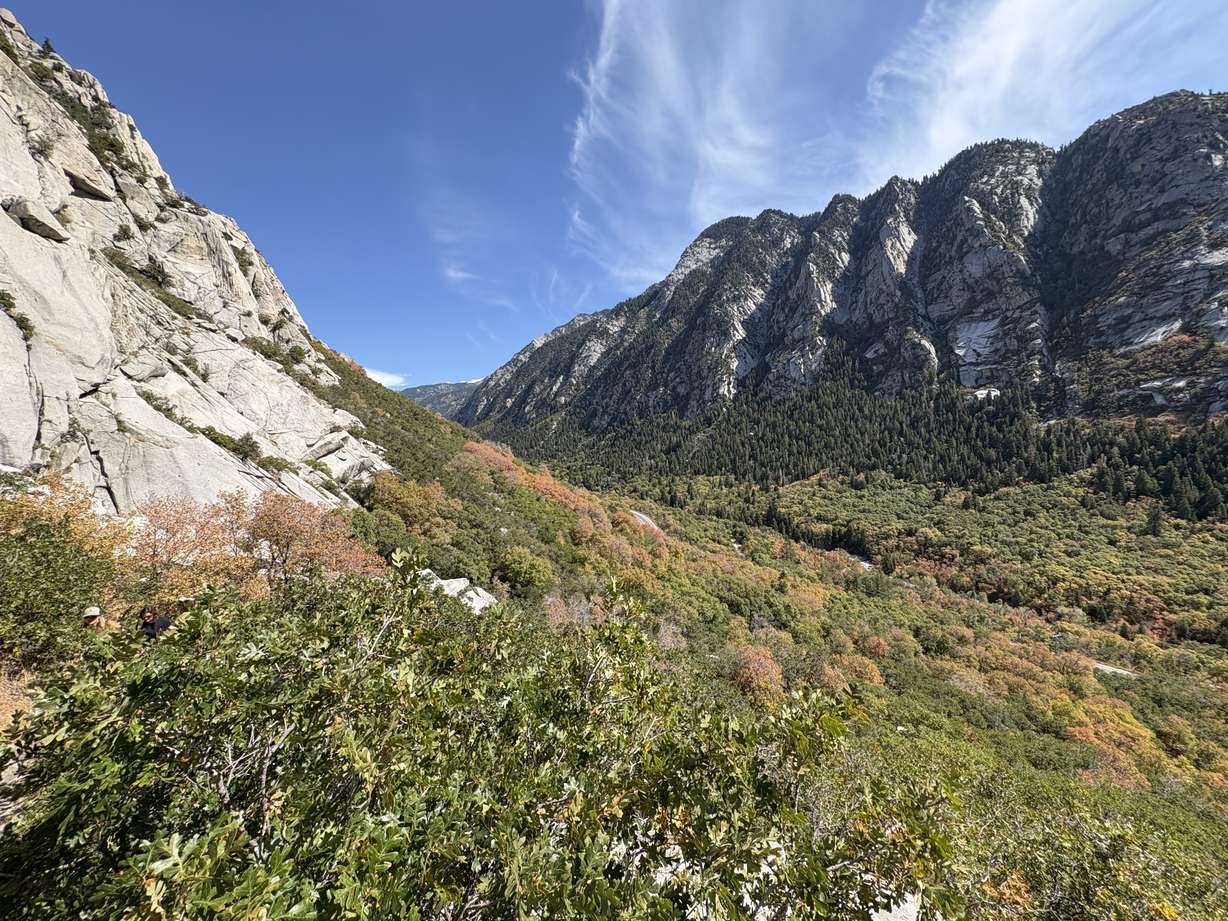
Tucked in the heart of Little Cottonwood Canyon, the Alpenbock Loop isn't just a place to climb — it's living history. In 2024, the area became the first recreational climbing landscape in the United States listed on the National Register of Historic Places, highlighting its importance in Utah's recreation and social history.
In the 1960s and '70s, the Alpenbock Climbing Club pioneered some of the first recorded routes here, introducing modern climbing techniques, safety practices and early Leave No Trace measures before they were widely known. They even served as Salt Lake County's first mountain search-and-rescue team, connecting the local climbing community to the national scene.
Today, the same granite formations remain, offering climbers a chance to follow in the footsteps of these rock-climbing pioneers. Every handhold tells a story — and protecting these routes ensures that Utah's climbing heritage survives for future generations.
How to help
Stay on established routes, avoid altering rock features and report vandalism and/or damage.
Boulder Mountain
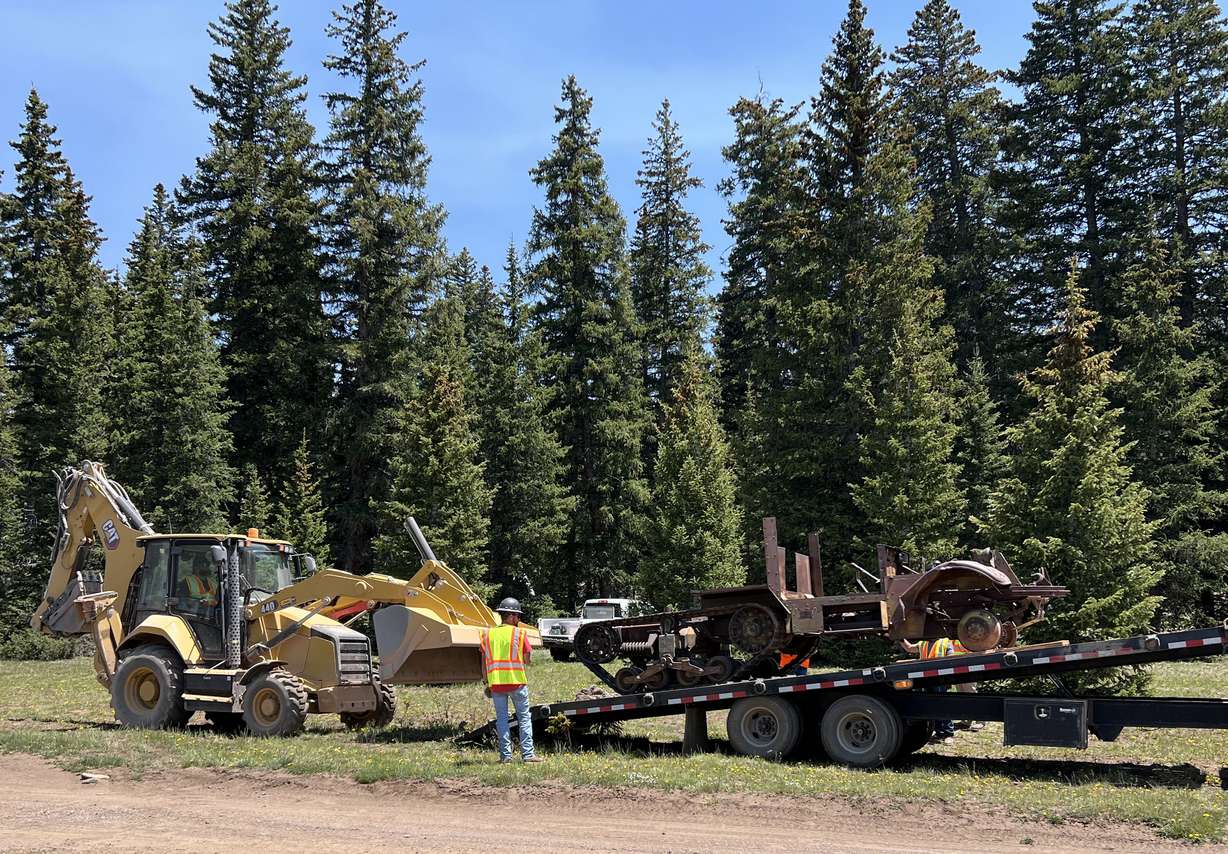
Boulder Mountain isn't just a haven for hunters and outdoor enthusiasts — it's a place where history quietly sits among the trees and trails. One unusual reminder is a World War II–era half-track, a military vehicle repurposed decades ago for logging and ranching.
After sitting undisturbed for 70 years, the half-track made headlines recently when it was illegally removed — and thankfully returned. Its presence reminds visitors that historic objects on public lands are more than relics; They're tangible links to Utah's past.
How to help
Learn what cultural sites look like, avoid disturbing them and report suspicious activity.
Indian Creek
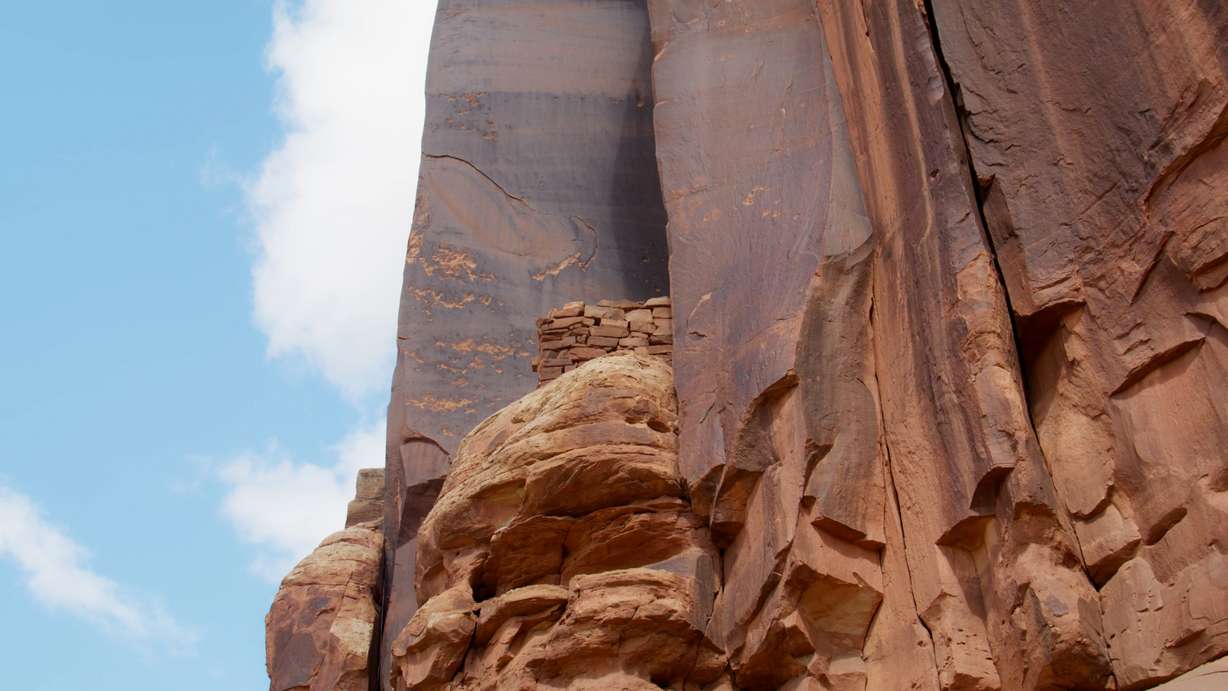
Indian Creek is world famous for climbing, but its history goes far deeper. The area is rich with Indigenous sites, historic ranching features and evidence of long-term human use tied closely to the land. Living descendants of these early peoples are actively connected to these important places.
Even small actions — carving, moving artifacts or creating new campsites — can cause lasting damage. Protecting this landmark means being mindful of both its natural and cultural treasures.
How to help
Follow Leave No Trace principles, stick to established trails, respect signage and closures and learn about the area's history. The U.S. Bureau of Land Management also recommends waiting 24-48 hours after rain before climbing on sandstone.
Alta and Grizzly Gulch
Before Alta became known for skiing, it was a bustling mining town. Grizzly Gulch still bears the marks of that era — from building foundations and tools to personal items that bring individual stories to life.
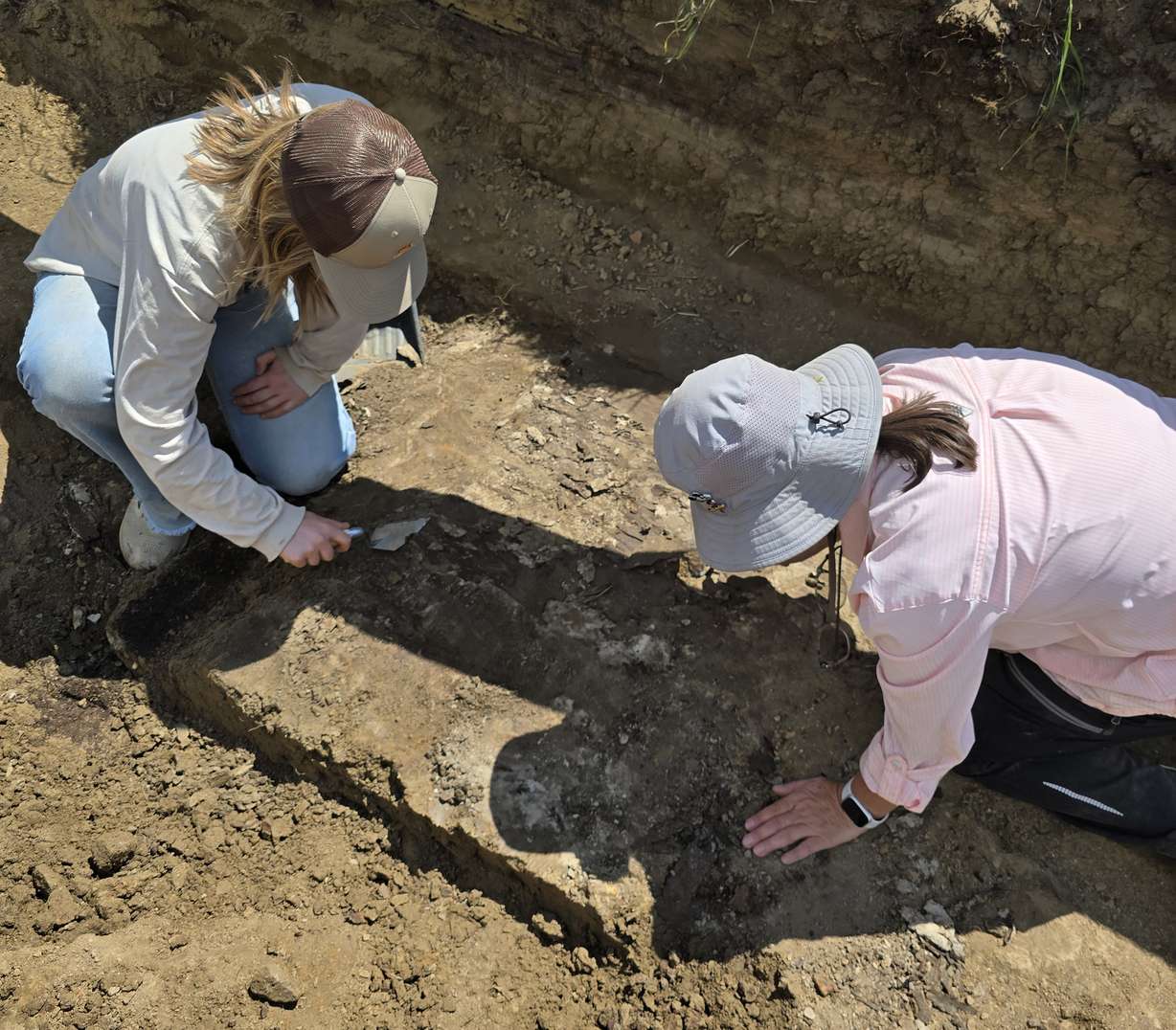
During a recent water pipeline installation on United States Forest Service-managed lands, a backhoe unearthed some remarkable remnants of the past.
According to the Alta Environmental Center, the dig revealed thousands of 1870s-1880s artifacts, including a complete leather hat, a full, corked liquor bottle, pottery, bullets and the remains of a stone foundation believed to have been a two-story hotel.
Each object offers a glimpse into the lives of the people who lived and worked here, and is highlighted in an interpretive website.
How to help
Look, don't touch. Leave artifacts where they are so others can experience the story tied to that place.
How recreation communities are leading the way
Utah values its heritage, and recreation communities are helping lead the effort to safeguard it.
Salt Lake Climbers Alliance and Access Fund are organizations continuing to make great strides in the right direction.
The statewide anti-vandalism campaign highlights how climbers, hikers, hunters and ATV users can protect sites while still enjoying them. By taking responsibility on the ground, Utahns make history tangible and accessible for everyone.
How the state is protecting Utah's past
Utahns want their heritage protected, and the Legislature responded with a means to take action and funding to support it ,The SHPO is leading the program and partnering with the Division of Law Enforcement to expand training on cultural resource laws and even dedicate a position for cultural resource crime.
But none of this works without you.
Become a Utah Cultural Site Steward
If you love this state and its rich history, there's something you can do about it.
"One of the best ways that people can get involved is to become a Utah Cultural Site Steward," said Ian Wright of the SHPO. "Volunteers throughout the state donate their time to help protect these places. Having recreationalists and public volunteers out on the ground makes all the difference in the world."
Stewards monitor and document changes at archaeological and cultural sites and report any damage. It's a hands-on way to preserve Utah's history while keeping sites accessible to everyone.
Utah's past — and future — is in your hands. To learn more about the Cultural Site Stewardship Program and how to get involved, visit the Utah SHPO website today.