'%3e%3cpath%20d='M34.1406%205.85938C30.3906%202.10547%2025.3047%200%2020%200C14.6953%200%209.60938%202.10547%205.85938%205.85938C2.10938%209.61328%200%2014.6953%200%2020C0%2025.3047%202.10547%2030.3906%205.85938%2034.1406C9.61328%2037.8906%2014.6953%2040%2020%2040C25.3047%2040%2030.3906%2037.8945%2034.1406%2034.1406C37.8906%2030.3906%2040%2025.3047%2040%2020C40%2014.6953%2037.8945%209.60938%2034.1406%205.85938ZM37.0117%2023.543H31.1602V13.5391H27.6328V19.9414C28.1211%2020.6914%2028.3711%2021.582%2028.3711%2022.5625V22.625C28.3711%2023.668%2028.1172%2024.6055%2027.6328%2025.4297V26.6094H36.082C33.4883%2032.9375%2027.2891%2037.3789%2020.0039%2037.3789C10.3711%2037.3789%202.62109%2029.6289%202.62109%2020C2.62109%2010.3711%2010.3711%202.62109%2020%202.62109C29.6289%202.62109%2037.3789%2010.3711%2037.3789%2020C37.3789%2021.1484%2037.2617%2022.2656%2037.0508%2023.3477C37.0391%2023.4141%2037.0234%2023.4766%2037.0117%2023.543Z'%20fill='white'/%3e%3cpath%20d='M22.3086%2018.5352C20.4336%2018.125%2019.9531%2017.8398%2019.9766%2017.1836V17.1406C19.9766%2016.6992%2020.3477%2016.2148%2021.4023%2016.2148C22.582%2016.2148%2023.8867%2016.6797%2025.0781%2017.4766L26.8516%2015.0195C25.4453%2013.8906%2023.707%2013.3398%2021.5547%2013.3398C18.5195%2013.3398%2016.4375%2015%2016.4063%2017.4766V17.5352C16.3633%2020.2617%2018.5859%2020.9805%2021.293%2021.6016C23.0391%2021.9766%2023.5703%2022.3164%2023.5703%2022.9609L23.5469%2022.9766C23.5469%2023.3906%2023.2578%2023.7031%2022.7852%2023.8359C22.5742%2023.9062%2022.1289%2023.9727%2021.5156%2023.9727C20.7617%2023.9727%2019.7539%2023.8633%2018.6328%2023.4844C18.0898%2023.2891%2017.4727%2023.0039%2016.8047%2022.6133L20.1406%2026.625C20.2813%2026.6602%2021.0977%2026.8516%2021.7734%2026.8516C25.0039%2026.8516%2027.0859%2025.2461%2027.1094%2022.6328V22.5703C27.1602%2020.1133%2025.2148%2019.1719%2022.3086%2018.5352Z'%20fill='white'/%3e%3cpath%20d='M5.24219%2013.5664V26.6133H8.75391V23.7578L10.2969%2021.9531L14.2031%2026.6133H18.3867L12.3555%2019.5195L17.4023%2013.5664H13.4531L8.75391%2019.0586V13.5664H5.24219Z'%20fill='white'/%3e%3c/g%3e%3cdefs%3e%3cclipPath%20id='clip0_97_2430'%3e%3crect%20width='40'%20height='40'%20fill='white'/%3e%3c/clipPath%3e%3c/defs%3e%3c/svg%3e)


Estimated read time: 3-4 minutes
January is National Radon Action Month, and for Utah residents, the timing could not be more important.
Utah consistently ranks among the states with the highest radon levels in the country, putting thousands of families at risk without even knowing it.
Many people experience symptoms such as persistent coughing or congestion and assume they are nothing serious.
Health experts warn, however, that long-term radon exposure can lead to lung cancer, even in people who have never smoked.
What is radon and why is it so dangerous?
Radon is an odorless, invisible, radioactive gas that naturally rises from the soil and can enter homes through foundation cracks, sump pits, crawlspaces, and construction joints.
Outdoors, radon disperses quickly and is usually harmless. Indoors, it can become trapped and build up to dangerous levels, exposing your lungs to cancer-causing radiation over time.
According to the American Lung Association's most recent State of Lung Cancer report, Utah ranks among the states with the highest average indoor radon levels.
Radon levels can vary from house to house
Radon has been found in homes in every state, and levels can vary dramatically, even between neighboring houses.
"Even if your neighbor's home tested low, that does not mean your home is in the clear," said Nick Torres, advocacy director with the American Lung Association. "Every home should be tested for radon."
Because radon levels can change over time due to weather, soil conditions, or home renovations, experts recommend testing your home every two years.
The long-term health impact of radon exposure
Unlike carbon monoxide, radon exposure does not cause immediate symptoms.
Many people do not realize there is a problem until years later, often after receiving a diagnosis of advanced lung cancer.
"Thousands of lung cancer deaths could be avoided each year if home and building owners acted to test and fix," said Torres.
Children may be especially vulnerable because they breathe more rapidly than adults.
Some studies suggest radon exposure may also be linked to childhood leukemia and developmental concerns, though research is ongoing.
Every home should be tested for radon
–Nick Torres, American Lung Association
What Utah residents need to know right now
New data from Alpha Energy Laboratories covering ten years of radon testing in Utah reports that 48% of homes have unsafe radon levels.
Dr. Wallace Akerley with the Huntsman Cancer Institute explained, "Most of the things we deal with in medicine, we're always talking about a small chance of making a difference. If you've got a one in three chance of having a problem in your house today, at this moment, it's something that you should do something about."
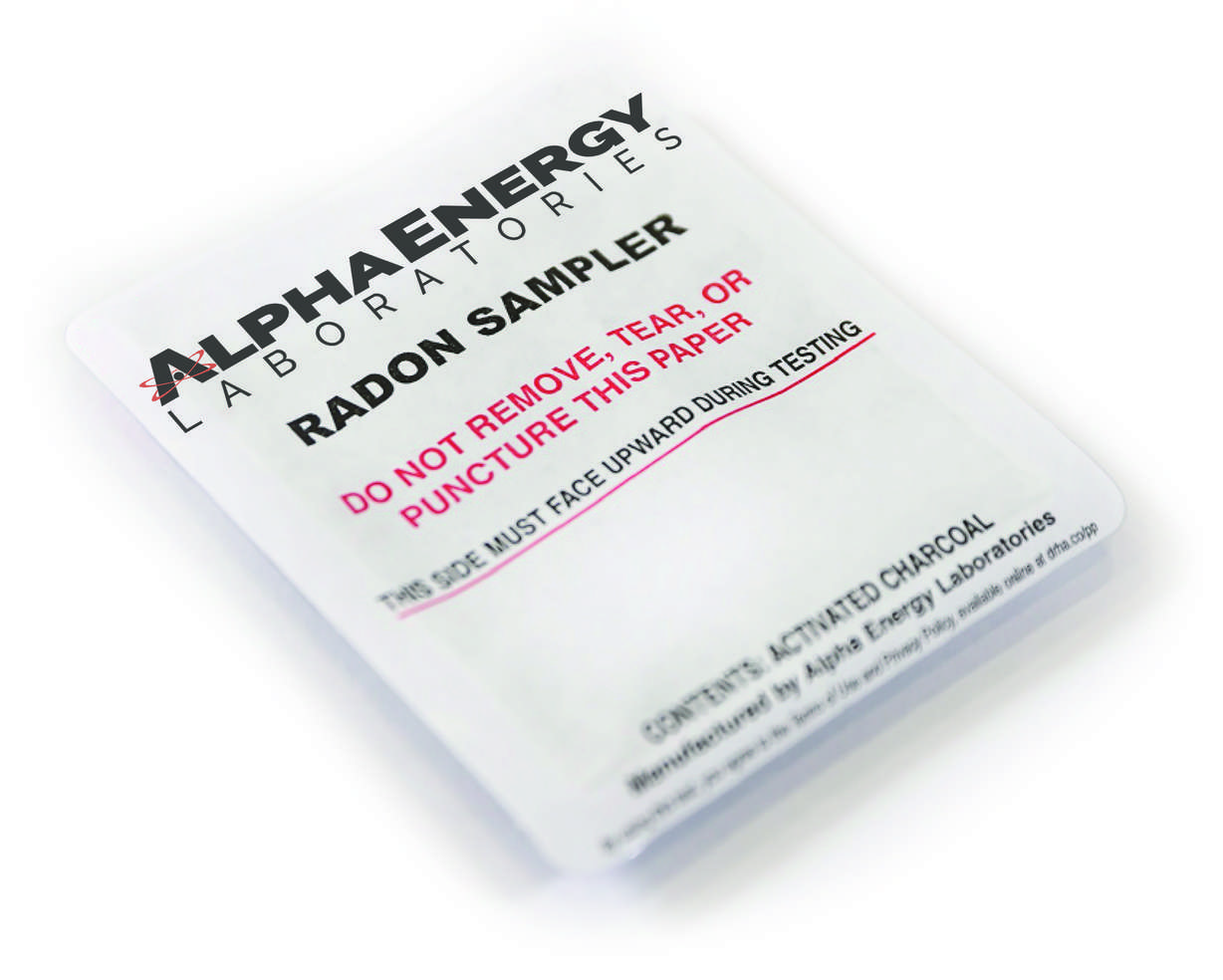
The good news is that radon testing is simple, inexpensive, and can be done at home.
If elevated levels are found, a professionally installed radon mitigation system can permanently reduce exposure.
How to protect your home and family
The American Lung Association is encouraging Utah residents to take action this January by testing their homes.
For a limited time, UtahRadon.org is offering one free radon test kit per household, helping families learn whether radon is a hidden risk in their home.
Request your free radon test kit here
Residents can also visit the American Lung Association's radon resource center at Lung.org/Radon for educational materials, including radon basics courses, information for homebuyers and renters, and guidance for healthcare professionals and policymakers.
Take action during radon action month
Radon may be invisible, but its impact on health is real. Testing your home is the only way to know whether radon is putting your family at risk.
Learn more or request a free radon test kit