Estimated read time: 3-4 minutes
Most Utahns know that smoking can cause lung cancer, but few realize that something completely invisible might be putting their families at risk right now.
Nearly half of all homes in Utah have unsafe levels of radon gas, the leading cause of lung cancer among non-smokers, and most homeowners have no idea it's there.
November is Lung Cancer Awareness Month, and it's a good time to learn how radon affects Utah families and what you can do to protect the people you love.
An unexpected diagnosis
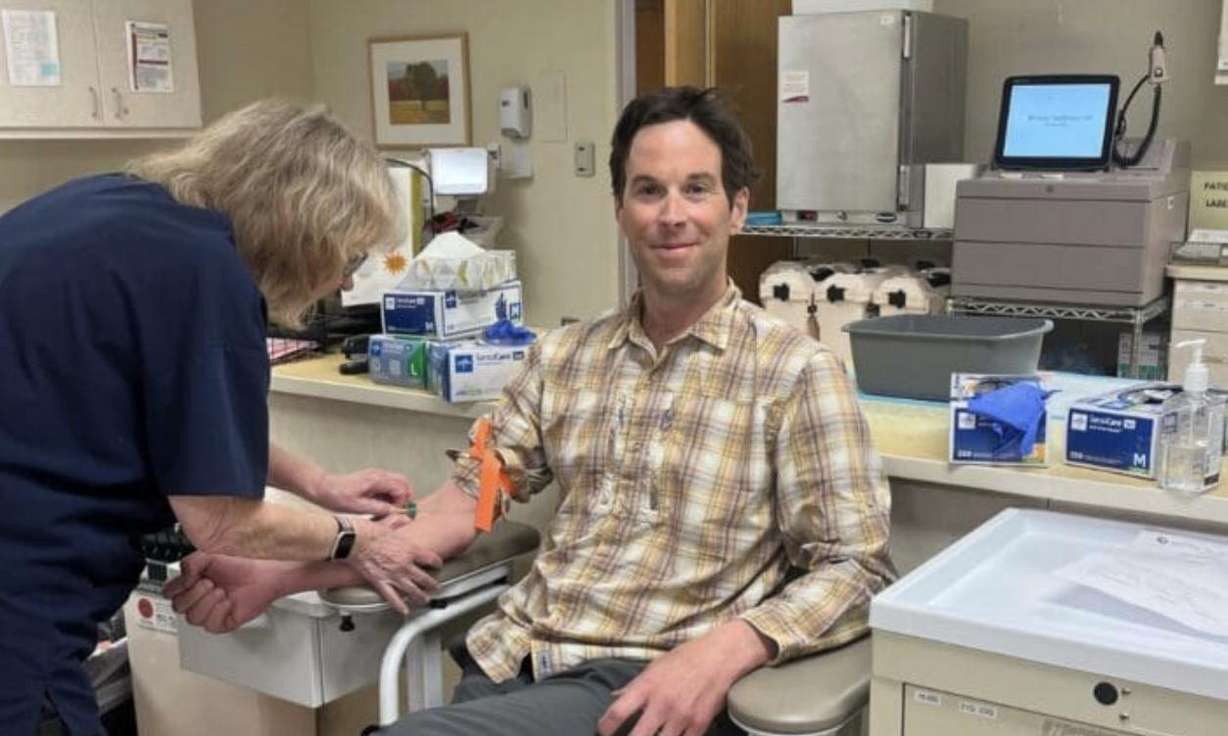
For Summit County resident Bill Johnson, the danger wasn't something he could see or smell.
What started as mild back pain after shoveling snow led to scans that revealed a serious diagnosis: non-smoking lung cancer that had spread from his right lung to his brain, spine, and hips.
"I was 43, healthy, an avid mountain biker, skier, trail runner, and a father of two young boys. I was a little bit shell-shocked, to say the least," Bill said.
Today, Bill's cancer has stabilized, but his daily life is very different. "The psychological toll is the hardest part. Self-affirmation is key to staying positive, and I'm incredibly fortunate to have strong support from my wife, kids, and close friends who constantly encourage me to stay strong and optimistic," he told UtahRadon.org.
What is radon and why it matters in Utah
Radon is a naturally occurring radioactive gas that seeps up from the ground as uranium in the soil breaks down. It has no smell or color, and it's impossible to detect without a test. Once it gets trapped inside a home, it builds up to dangerous levels.
Testing for radon is cheap; cancer is expensive. So just test, and test often.
–Bill Johnson
Did you know?
About one in two Utah homes tests high for radon.
It's the second leading cause of lung cancer in the United States and the number one cause among non-smokers.
Because radon levels can change throughout the year, experts recommend testing every two years.
A gap in Utah's laws and what families can do
Despite the known risks, Utah has no laws that require builders, landlords, homebuyers, or sellers to test for radon.
That means homeowners need to take action on their own.
"I was shocked that radon testing isn't required for new construction or before purchasing a home," Bill said. "It feels like low-hanging fruit for developers, homebuyers, and municipalities. Testing is easy, and mitigation is relatively inexpensive. At a minimum, I'd like to see that kind of requirement in place."
While the laws haven't caught up, many Utah residents are choosing to act anyway.
Some builders now include radon mitigation systems in their new homes, and thousands of homeowners have already ordered free test kits from UtahRadon.org to make sure their families are safe.

How to protect your home and family
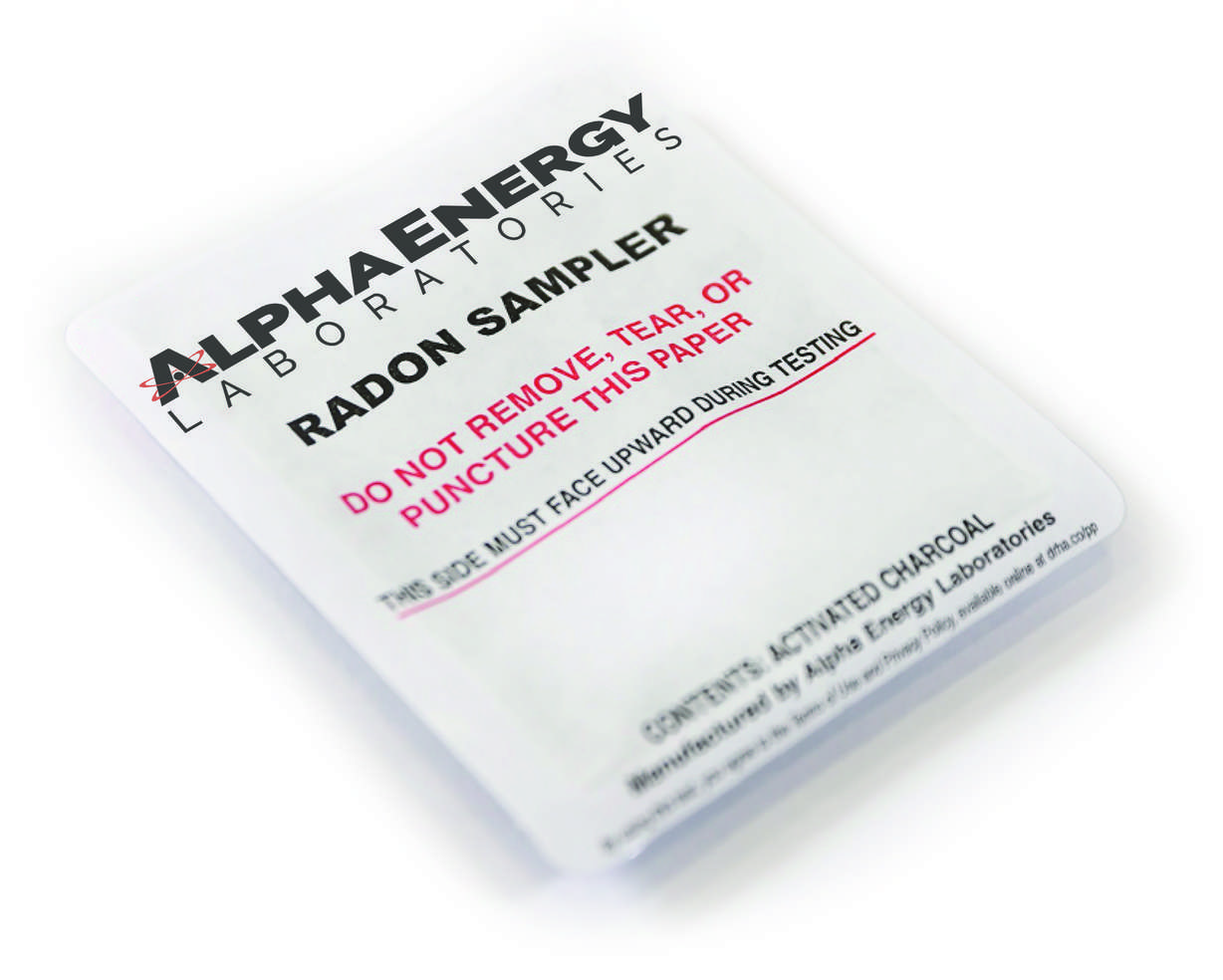
Testing for radon is quick, free, and easy. UtahRadon.org provides one free test kit for every Utah household. You simply place the test in your home for 48-96 hours, mail it to an independent lab, and get your results within a few days.
"Testing for radon is cheap; cancer is expensive," Bill said. "So just test, and test often."
This November, take a few minutes to protect your home and your loved ones. Request your free radon test kit today at UtahRadon.org.
Why awareness matters
Bill's story is a reminder that lung cancer can affect anyone, even those who live active, healthy lives. Every home in Utah has the potential for high radon levels, and testing is the only way to know if yours is safe.
By sharing information about radon and encouraging others to test, you're helping raise awareness that can save lives. Don't wait. Order your free radon test kit today.